


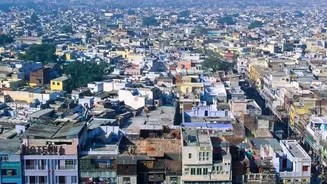
For decades, India’s retail story was written in its metros. But the narrative is changing. The next wave of consumption growth is not coming from Mumbai or Delhi, but from the nation's burgeoning Tier-2 cities, creating a seismic shift for brands.
The New Engines of Consumption
The
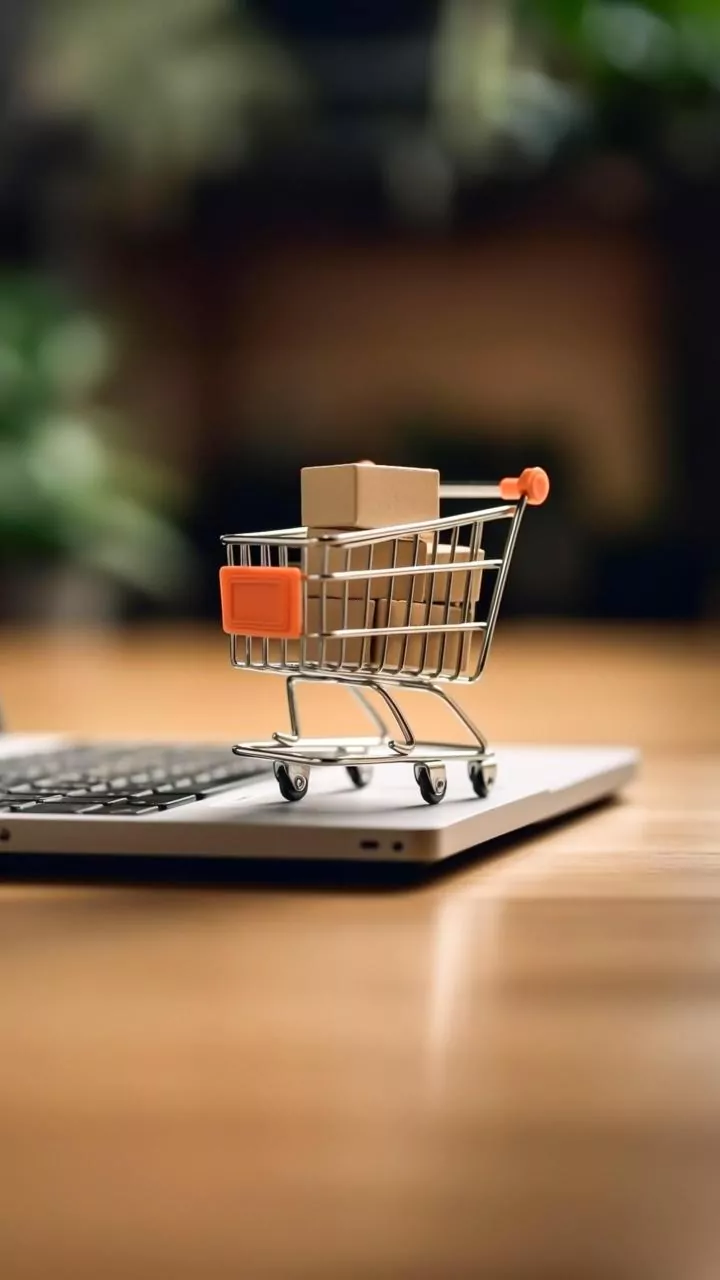
long-held belief that India's eight largest cities are the sole drivers of its consumer economy is officially outdated. Today, the most dynamic growth in the retail sector is happening in Tier-2 cities like Lucknow, Jaipur, Coimbatore, Indore, and Nagpur. These urban centers are rapidly transforming into powerful consumer markets in their own right. Data from across the industry paints a clear picture: a significant portion of new sales and store openings for major brands are now occurring outside of traditional metropolitan hubs. Reports from 2025 and 2026 show that non-metro cities are not just participating in retail growth; they are leading it. In fact, e-commerce platforms now report that over 60% of their transactions originate from Tier-2 and Tier-3 markets, a testament to the shifting centre of gravity in Indian commerce.
What’s Fuelling the Bharat Surge?
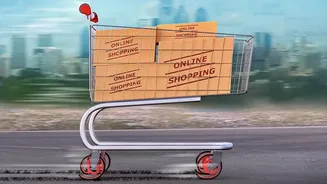
This transformation is not accidental. It is fuelled by a powerful combination of economic and social factors. Firstly, rising disposable incomes in smaller cities have created a new, aspirational middle class. This demographic, with more money to spend, is increasingly seeking branded goods and premium experiences that were once the exclusive domain of metro residents. Secondly, the digital revolution has been a monumental catalyst. The proliferation of affordable smartphones and high-speed internet has connected millions of new consumers to the digital economy. India's Unified Payments Interface (UPI) has made digital transactions seamless and ubiquitous, boosting consumer confidence in online shopping. This digital fluency means trends that once took years to trickle down from metros now spread instantly through social media and OTT platforms, creating synchronized demand across the country.
Brands Make Their Move
Recognising this massive opportunity, both national and international brands are aggressively expanding their physical and digital footprints in Tier-2 India. Quick-service restaurants, fashion retailers, electronics giants, and lifestyle brands are all making a beeline for these markets. For direct-to-consumer (D2C) brands, these cities have become a primary source of new customer acquisition, with some wellness and beauty brands reporting that over two-thirds of their sales now come from non-metro areas. This expansion isn't limited to online channels. Real estate reports from late 2025 and early 2026 highlight a sharp increase in retail leasing activity in cities like Raipur and Vizag, as developers build modern malls and high streets to cater to a new generation of shoppers who demand better shopping environments that combine retail with entertainment and dining.
Beyond the Low-Hanging Fruit
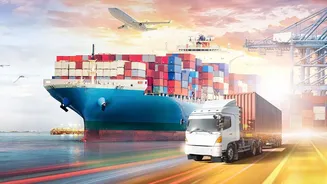
While the opportunity is immense, navigating these new markets comes with its own set of challenges. Brands cannot simply copy-paste their metro strategy. Success in Tier_2 cities requires a nuanced understanding of local tastes, preferences, and price sensitivities. Logistics and last_mile delivery, while improving, can still be more complex than in densely packed urban centers. However, the rewards for getting it right are substantial. These markets are far from saturated, offering first_mover advantages to brands that can build early loyalty. Companies that invest in understanding the 'Bharat' consumer—through localized marketing, relevant product assortments, and a hybrid online_offline presence—are positioning themselves to win the next 100 million Indian consumers. This shift from unorganised local shops to modern, organised retail represents a structural evolution in how and where India shops.