




The Myth of High-Impact Power
For years, the formula for lower body power seemed simple: heavy squats, deadlifts, and explosive jumps. While effective, these high-impact movements can place significant stress on the knees, hips, and lower back, especially if form isn't perfect or if you
have pre-existing joint issues. The good news is that power isn't just about how high you can jump; it's about how quickly you can produce force. This can be trained effectively with exercises that are much kinder to your body. Low-impact training focuses on building strength and explosive hip extension without the jarring force of landing, making it a sustainable approach for long-term fitness and health. By choosing the right movements, you can stimulate your muscles to become more powerful while minimizing the wear and tear on your joints.
Kettlebell Swings: The Powerhouse Move
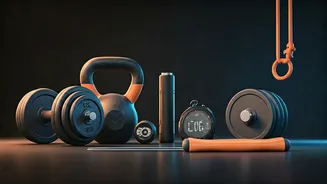
The kettlebell swing is a top-tier exercise for developing explosive power with minimal joint stress. The movement is not a squat; it's a hip hinge. By hiking the kettlebell back between your legs and then powerfully thrusting your hips forward, you generate momentum that swings the bell up to chest height. The force comes from your glutes and hamstrings—the engine of your posterior chain—while your arms simply guide the weight. This ballistic movement trains your body to produce force rapidly, which is the essence of power. Because the force is absorbed by these large muscle groups rather than the knee or spine, it's a joint-friendly alternative to exercises like jumping. Whether you use two hands or progress to single-arm variations for a greater core challenge, the kettlebell swing is a foundational move for building a powerful and resilient lower body.
Sled Pushes: Uncomplicated and Effective
If you have access to a sled at your gym, it’s one of the best tools for building leg strength and power without any jarring impact. The sled push is a purely concentric movement, meaning the muscles are always shortening and pushing, which eliminates the eccentric loading that can cause muscle soreness and joint stress. This makes it an excellent option for conditioning and strength development, even for those recovering from injuries or sensitive to high-impact activities. You can tailor the workout to your goals: load the sled with heavy weight and push for short, explosive bursts to build maximal power, or use a lighter weight and push for longer distances to improve muscular endurance and cardiovascular fitness. The exercise targets the quads, glutes, hamstrings, and calves, providing a comprehensive lower body workout that also engages the core and upper body.
Glute Bridges and Hip Thrusts
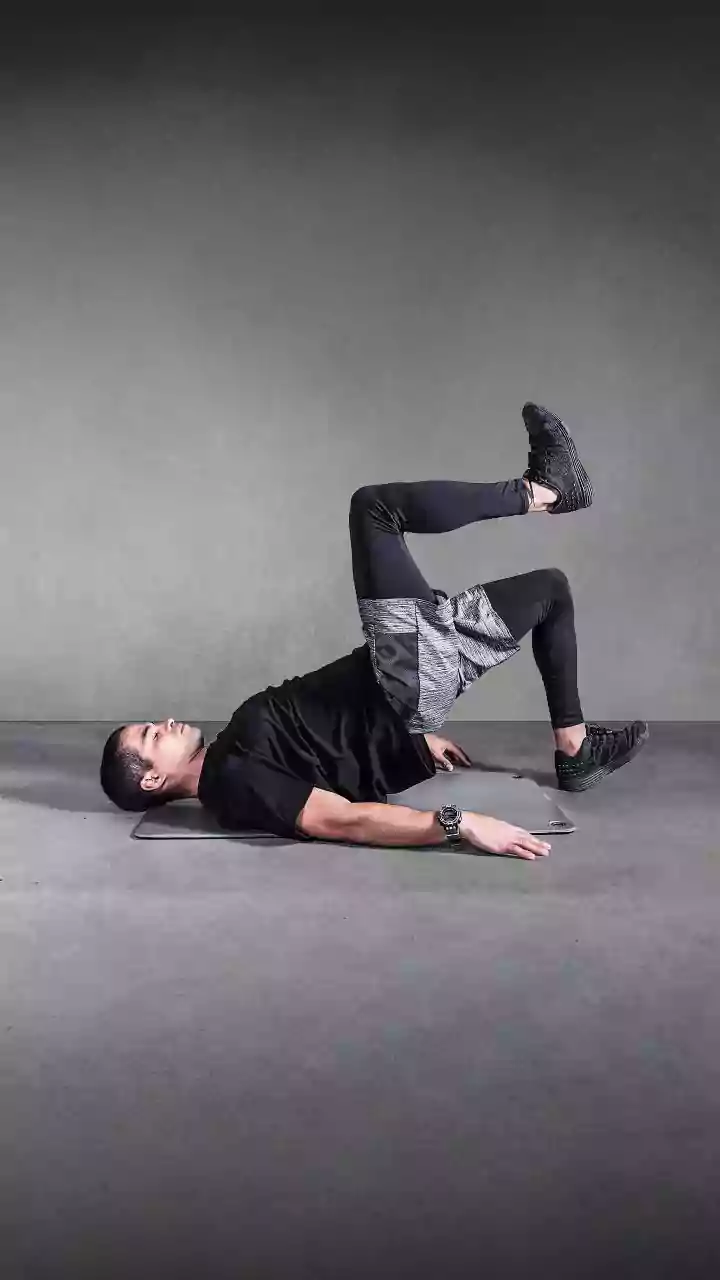
Strong glutes are fundamental to lower body power, and exercises like the glute bridge and hip thrust target them directly without stressing the knees. For a basic glute bridge, lie on your back with your knees bent and feet flat on the floor. Drive through your heels to lift your hips toward the ceiling, squeezing your glutes at the top. This simple move isolates the gluteal muscles, which are key for the explosive hip extension needed in running and jumping. The hip thrust is a progression, often performed with your shoulders elevated on a bench, which allows for a greater range of motion and the ability to add weight. Both exercises build strength in the posterior chain with zero impact, reinforcing a powerful foundation for all athletic movements.
Unilateral Work: Lunges and Step-Ups
Working one leg at a time, known as unilateral training, is fantastic for building functional strength, improving balance, and correcting muscle imbalances without the heavy spinal load of barbell squats. Reverse lunges are particularly joint-friendly because the backward step is more controlled and places less stress on the front knee compared to a forward lunge. Similarly, step-ups onto a box or bench force each leg to lift your body weight independently. To focus on power, drive up explosively from the lead foot. Both exercises engage the quads, glutes, and hamstrings while also demanding core stability. They mimic real-world movements and build the kind of practical strength that translates to better performance in sports and daily life.