

From Hero to Benchwarmer
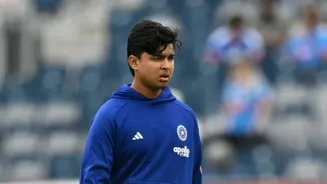
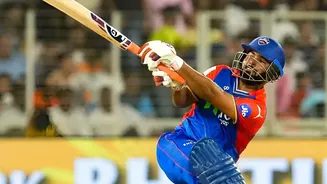
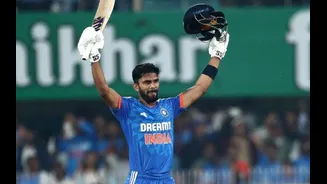
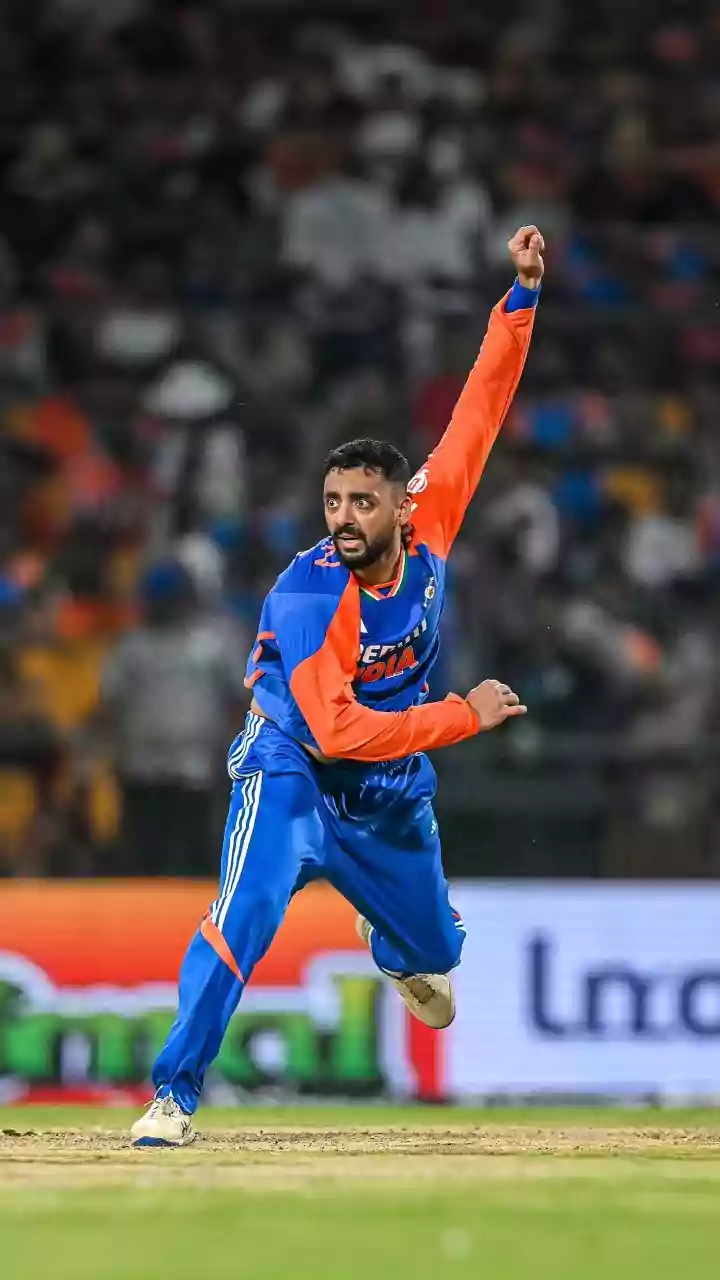
The controversy erupted when Vaibhav Sooryavanshi, a player who had just been crowned Player of the Series for his explosive performance in India's 3-0 T20I sweep against Zimbabwe, was conspicuously absent from the playing XI for the series opener against Afghanistan.
In that Zimbabwe series, the teenage sensation scored 151 runs at a blistering strike rate of 196.10, cementing his status as one of the most exciting prospects in the nation. His sudden demotion in favor of the returning Sanju Samson left fans and pundits alike bewildered, questioning the logic of benching a player at the peak of his form. Fans flocked to social media, with many calling the decision a 'bogus call' and an example of unfair treatment.
Cricket Legends Voice Their Displeasure
The backlash wasn't limited to online forums. A host of former cricketers publicly condemned the move, lending weight to the fans' frustration. Former chief selector Kris Srikkanth was particularly vocal, stating that the management was not treating Sooryavanshi properly and revealed that even his wife questioned the youngster's exclusion. He argued that dropping a player right after a Player of the Series performance creates unnecessary self-doubt. Adding to the chorus, former India batter Mohammad Kaif questioned the rationale of picking Samson, who hadn't played competitive cricket recently, over an in-form Sooryavanshi, calling it a sign of confusion within the team management about their best opening combination. Even former Pakistan keeper Kamran Akmal weighed in, expressing surprise that India would play the prodigy against a tougher England side but then drop him against Afghanistan.
A Familiar Feeling of Inconsistency
For Sooryavanshi, this isn't a new experience. The 'chop and change' policy has affected him before. During a T20I series against England in July 2026, the 15-year-old was dropped for the final match, a dead rubber, after being given a handful of games to prove himself. That decision also drew sharp criticism from cricket legends like Sunil Gavaskar and Graeme Swann, who argued that a talent so young needs to be nurtured, not subjected to the pressures of inconsistent selection, especially when the series outcome is already decided. These repeated instances create a pattern that suggests a lack of a clear, long-term vision for grooming one of the country's brightest young talents.
The Revolving Door Policy
The handling of Sanju Samson further illustrates the erratic selection strategy that has plagued Indian cricket. Samson himself has been a victim of this inconsistency, being shuffled in and out of the team across different series. He started in the UK, was replaced by Sooryavanshi, returned for a single game, and was then rested for the Zimbabwe tour only to be brought back to replace the very player who had excelled in his absence. Srikkanth noted that this constant shuffling is unfair to both players, as neither is given the extended run needed to secure their place and build confidence. This revolving door policy, where players are given just a few matches before being cast aside, creates an environment of perpetual uncertainty, undermining team stability and player morale.
A System in Question
The case of Vaibhav Sooryavanshi is not an anomaly but a symptom of a larger, long-standing issue with the BCCI's selection committee. For years, selectors have faced accusations of making 'clueless' decisions, lacking clear planning, and failing to communicate their vision. The constant experimentation and sudden strategy shifts give the impression of a panel that is reactive rather than proactive, often swaying with short-term results or media pressure rather than sticking to a coherent long-term plan. This creates confusion not just for the players, who are left wondering where they stand, but also for the millions of fans who invest their passion in the team. When a player can be the best in one series and on the bench in the next, it sends a message that form and performance are not the ultimate currency.