







The Undeniable Pull of Convenience
For today's youth, the biggest luxury is control. Over-the-Top (OTT) platforms like Netflix, Amazon Prime Video, and Disney+ Hotstar have mastered the art of providing it. There's no need to book tickets, travel, or adhere to a fixed showtime. The movie
starts, pauses, and ends on their schedule, on any screen they choose—be it a large smart TV or a personal smartphone. Studies show that young adults in urban India spend over two hours daily on digital media, integrating it seamlessly into their lives. This on-demand culture has made the rigidity of theatrical schedules feel outdated, especially when compared to the instant gratification of a streaming library.
A Simple Calculation of Cost
The financial argument is perhaps the most compelling. A single trip to a multiplex for a family of four can be a significant expense. Ticket prices, especially for premium screens in metros, can be steep, often ranging from ₹300 to over ₹2,000 for a blockbuster. Add the high cost of popcorn, drinks, and parking, and the total can easily surpass the price of an entire year's subscription to multiple OTT services. For a price-sensitive demographic, the value proposition is clear: unlimited content for a fixed, affordable monthly fee versus a hefty one-time spend. This 'OTT pe dekh lenge' (we'll watch it on OTT) mindset has impacted theatre business significantly.
The Content Conundrum
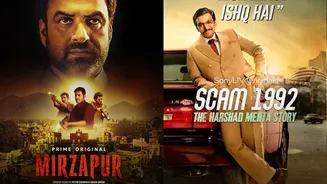
Theatres have always been home to big-screen spectacles—the larger-than-life blockbusters. However, audience tastes have diversified dramatically, and OTT platforms have been quick to cater to this change. They have become the home for niche genres, gritty dramas, expansive web series, and documentaries that may not have found a place in mainstream cinema. This has been a boon for regional cinema, giving Tamil, Telugu, Malayalam, and other language content a pan-Indian, and even global, audience. While theatres are for events, OTT is for exploration, offering a depth and variety of stories that keeps viewers engaged long-term.
Is the Box Office Really Dying?
The data paints a complicated picture. While the pandemic accelerated the shift to home viewing, reports from 2025 showed a strong theatrical resurgence, with the Indian box office hitting record highs even as digital revenues for films saw a decline. This suggests it's not a simple case of replacement. Instead, the market is bifurcating. Theatrical releases are increasingly reserved for massive, event-driven spectacles that demand a big-screen experience—films that create a cultural moment. Mid-budget, experimental, and genre-specific films are finding a more sustainable and profitable home directly on streaming platforms.
The Cinema Strikes Back
Theatres aren't taking this lying down. Multiplex chains are innovating to transform a simple movie viewing into a premium, can't-miss experience. This includes investing in superior technology like IMAX and 4DX, offering luxury seating, gourmet food options, and creating loyalty programs. Some have also found success with re-releasing older cult classics, tapping into nostalgia and drawing crowds with lower ticket prices. The strategy is to move beyond just showing a film and instead sell an unforgettable outing, something that a living room couch, no matter how comfortable, simply cannot replicate.