






The New Normal of Weather
Many Indian cities are experiencing more pronounced diurnal temperature variations, which is the gap between the day's high and night's low. This is especially true during transitional seasons like the post-monsoon months of October and November. You
might leave home in a cool, misty morning requiring a light jacket, only to find the afternoon sun demanding short sleeves. By the time you head home, a distinct chill is back in the air. This fluctuation is driven by factors including the urban heat island effect, where cities retain more heat than rural areas, leading to unpredictable microclimates. Dressing for one single temperature is no longer a reliable strategy for all-day comfort.
The Three Golden Rules of Layering
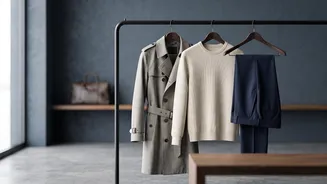
Effective layering isn't about piling on bulky clothes; it’s a strategic, three-part system designed for adaptability. First is the base layer, which sits next to your skin. It should be light and breathable. The second is the mid-layer, which provides insulation and is the core of your outfit's look. Think an open shirt, a tailored vest, or a fine-knit sweater. The final part is the outer layer or shell, which protects you from wind or a sudden cool draft. This could be a light jacket or even a versatile shawl. The magic of this system is that each piece is easily removable, allowing you to moderate your temperature perfectly as conditions change.
Fabric Is Your Foundation
In a climate that is often humid, fabric choice is everything. The golden rule is to prioritize natural, breathable materials that don’t trap moisture. Cotton is a timeless choice, especially lightweight varieties like voile or mulmul. Linen is another champion, prized for its ability to wick moisture and stay cool, though its tendency to wrinkle is part of its charm. For a more structured look, cotton-linen blends offer the best of both worlds. Even for cooler evenings, lightweight merino wool or cashmere blends can provide warmth without the bulk of traditional wool, making them excellent mid-layers. Avoid heavy synthetics like polyester, which can feel stifling as soon as the temperature rises.
Your Essential Layering Toolkit
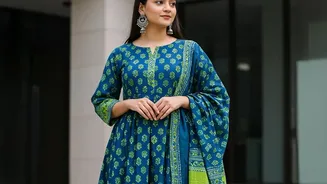
Building a versatile layered wardrobe is about selecting a few hard-working pieces. A crisp cotton or linen shirt is a non-negotiable; it can be worn buttoned up, open over a t-shirt, or tied at the waist. Lightweight jackets—like a classic denim, bomber, or a Nehru jacket—add a stylish outer layer that provides just enough warmth for a cool evening. Don’t underestimate the power of a well-chosen dupatta, stole, or scarf. These are perhaps the most versatile layering pieces in an Indian wardrobe, easily added or removed to adjust for comfort and style. A sleeveless jacket or gilet is another smart option, adding core warmth without the cumbersome feeling of full sleeves.
Putting It All Together: A Day's Outfit
So, what does this look like in practice? Imagine starting your day with a comfortable cotton t-shirt and trousers. For the cool morning commute, you might add a linen overshirt, worn open like a jacket. As the afternoon sun hits, you can easily remove the overshirt and be perfectly comfortable in just your tee. When evening approaches, bringing a noticeable dip in temperature, you can put the overshirt back on. For an extra touch of warmth and style, you can add a lightweight scarf or a pashmina stole. This simple, adaptable combination ensures you look put-together and feel comfortable from your morning coffee to your late-night dinner, without ever feeling over or under-dressed.