








The Illusion of the Perfect Flight
For years, the art of travel planning revolved around the flight itself. We became experts at comparing carriers, debating the merits of a morning departure versus a red-eye, and strategising how to snag the best fare. The one or two hours spent in the air
was the main event, the part of the journey we sought to optimise. A flight with better timings, a more reliable airline, or extra legroom was considered a win. The time and effort it took to get to and from the airport was often treated as a fixed, predictable buffer. You booked a cab, allowed for a bit of traffic, and that was that. The focus was almost entirely on the in-flight experience, with the surface journey being a mere footnote in the overall travel plan.
The Ground Reality Check
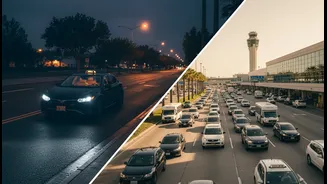
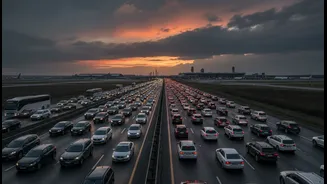
Today, that equation has been completely flipped. For travellers in India’s bustling metropolitan hubs, the journey on the ground has become the most unpredictable and often longest part of the trip. A 90-minute flight from Delhi to Lucknow can be preceded by a two-hour battle through traffic just to reach the airport. In Bengaluru, reaching Kempegowda International Airport from the city centre can be a journey of epic proportions, often taking longer than a flight to a neighbouring state. Mumbai’s infamous traffic, especially during monsoon season, can turn a seemingly straightforward drive to the airport into a high-stakes gamble against time. Even with web check-in, the advice to reach the airport two to three hours early is less about airport queues and more a buffer against the chaos outside. This ground-level uncertainty is forcing a major rethink of what a 'good' journey looks like.
Why the Journey Got So Tough
This shift isn't accidental. It’s a direct consequence of India's rapid urban growth clashing with infrastructure that is struggling to keep pace. While the number of airports has almost doubled in the last decade to accommodate soaring passenger numbers, the roads leading to them are more congested than ever. Ongoing metro construction, while a long-term solution, often creates short-term bottlenecks. Cities like Bengaluru, Mumbai, and Delhi consistently rank among the world's most congested, with commuters losing hundreds of hours to traffic annually. This means that even if a new airport terminal is a model of efficiency, getting to it remains a significant hurdle. The problem is compounded by a dependency on private cars and cabs, which choke arterial roads leading to airports, especially during peak hours.
A New Playbook for the Smart Traveller
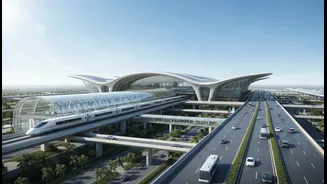
So, how does the modern Indian traveller adapt? The key is to shift your planning focus from 'flight time' to 'total journey time'. Instead of booking the 7 AM flight that requires a 4 AM departure into unpredictable traffic, a 10 AM flight might offer a more relaxed and reliable overall experience. Start using real-time traffic data from mapping services not just as a guide, but as a core planning tool. Public transport, where available and efficient, is becoming an increasingly attractive option. Delhi's Airport Express Line, for instance, offers a predictable 20-minute ride to T3, bypassing all road uncertainties. While metro links in cities like Mumbai and Chennai have faced criticism for poor terminal integration, they can still be a viable part of the journey. In cities without a direct metro link, like Bengaluru, airport bus services like Vayu Vajra offer a dedicated, if not always speedy, alternative. The new travel calculus involves weighing the cost and convenience of the flight against the time, stress, and cost of the surface journey.