




The Celestial Event of the Year
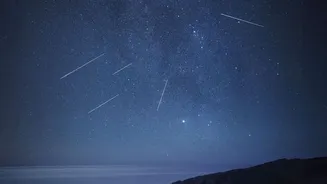
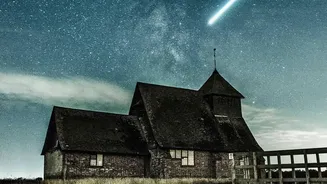
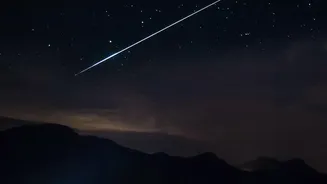
August is a special month for skywatchers, primarily because of the Perseid meteor shower. This reliable and often brilliant display of 'shooting stars' peaks around August 12-13, 2026. These are not really stars, but tiny bits of debris left behind by
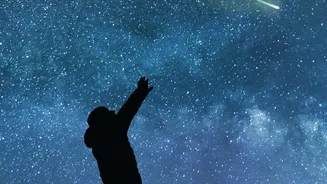
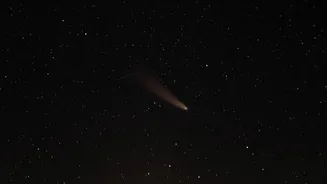
the comet Swift-Tuttle. When Earth passes through this cosmic dust trail, the particles burn up in our atmosphere at high speed, creating bright streaks of light. This year's shower promises to be particularly spectacular as the peak coincides with a New Moon, meaning the sky will be exceptionally dark, allowing even fainter meteors to shine. Under ideal conditions, you could see up to 100 meteors per hour.
Spiti Valley, Himachal Pradesh: A High-Altitude Theatre
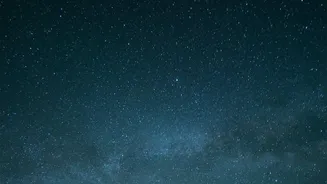
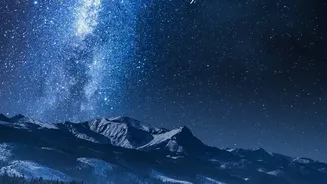
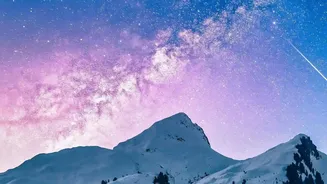
Often called a 'cold desert', Spiti Valley is a stargazer's paradise. Its high altitude, remote location, and dry, clear air mean there is virtually no light pollution or atmospheric haze to obscure the view. The valley floor sits at over 12,000 feet, placing you above much of the atmospheric interference that plagues lower elevations. Villages like Kibber, Langza, and Komic are world-renowned for their pristine night skies, where the Milky Way is often so bright it's said to cast a faint shadow. The combination of jagged Himalayan silhouettes against a star-dusted canvas makes for an unforgettable viewing experience. The best months for clear skies are from May to October, making this August ideal.
Nubra Valley, Ladakh: The Dark Sky Sanctuary
Journeying over the Khardung La pass into Nubra Valley feels like entering another world, and its night sky is no different. Classified as a Bortle Scale Class 1 location, it boasts some of the darkest skies on the planet. The combination of high altitude (over 3,000 meters), an arid climate with minimal cloud cover, and almost zero urban development provides an unparalleled window into the cosmos. From here, the Perseids will appear exceptionally sharp and brilliant. In the profound silence of the valley, with the Shyok River nearby, watching meteors streak across a sky crowded with stars is a deeply humbling experience. The prime viewing window runs from April to October.
Rann of Kutch, Gujarat: A White Desert Canvas
The Great Rann of Kutch offers a stargazing experience unlike any other. The vast, flat expanse of the white salt desert provides an enormous, unobstructed 360-degree view of the sky. Far from major cities, its low light pollution and dry winter air are ideal for astronomy, although August offers a unique pre-season quiet. While the famous Rann Utsav runs from November to February, a trip in August to the outskirts of villages like Dhordo offers a more solitary communion with the stars. The surreal landscape of the salt flats, reflecting the starlight from above, creates a truly magical and otherworldly atmosphere for watching the celestial fireworks of the Perseids.
Coorg, Karnataka: Stars Above the Coffee Plantations
Down south, the misty hills of Coorg in the Western Ghats provide tranquil pockets of darkness perfect for stargazing. Away from the towns of Madikeri and Virajpet, the rolling coffee plantations and areas near the Brahmagiri foothills offer clear, dark skies, especially in the southern parts of the district which boast Bortle 2 darkness. The high elevation and clean air reduce atmospheric distortion. There are even dedicated facilities like the Starscapes Observatory, which offers guided sessions. Watching the Perseid shower from a quiet estate, with the scent of coffee in the air, combines the thrill of astronomy with the peaceful retreat of a hill station.
Tips for the Best Viewing Experience
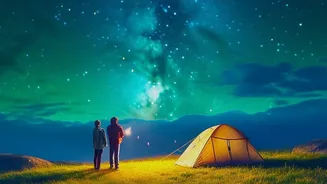
To make the most of the Perseid meteor shower, a little preparation goes a long way. First, find a spot with a wide-open view, away from any artificial lights. You don't need a telescope or binoculars; your eyes are the best tool for scanning the wide sky. Give your eyes at least 20-30 minutes to fully adjust to the darkness; avoid looking at your phone screen. The best time to watch is generally after midnight and before dawn, when the Earth turns into the meteor stream. For viewers in India, the hours between 2 AM and 4:30 AM on August 13 are predicted to be prime. Finally, get comfortable. Bring a blanket or a reclining chair, pack some warm layers as even summer nights can get chilly, and be patient. The reward is a spectacular natural light show.