



The Wisdom of Slow Preservation
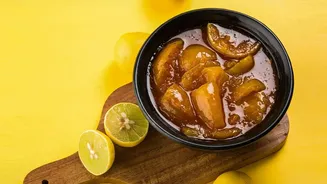
For generations, the art of making achar was a seasonal ritual in Indian households. It was a science perfected by grandmothers long before refrigeration became common. The process was a study in patience and natural chemistry. Raw fruits and vegetables
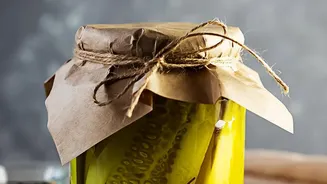
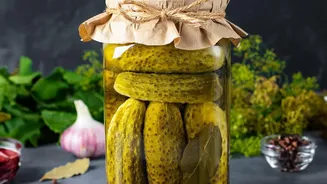
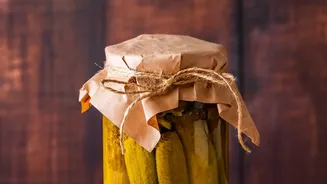
were sliced and patiently sun-dried to remove moisture, a crucial step to prevent spoilage. This was followed by a careful massage with hand-ground spices and cold-pressed mustard oil. The mixture was then packed into ceramic or glass jars and often left in the sun for days or weeks to cure. This slow fermentation process, driven by naturally occurring bacteria, not only preserves the food but also creates deep, complex flavours and beneficial probiotics that are impossible to replicate with modern, quick-pickling methods that rely on vinegar. This inherited wisdom involves understanding the climate, the ingredients, and the subtle signs that a pickle is perfectly cured.
A New Generation of Pickle-preneurs
In recent years, a growing number of entrepreneurs have turned this homespun tradition into a mission-driven business. Inspired by everything from a feature on 'Shark Tank India' to a desire to share their mother's beloved recipes, these small-batch producers are finding a willing market. Brands like JhaJi Store from Bihar, founded by a sister-in-law duo, or Pickle Shickle, started by two sisters sharing their mother's multicultural recipes, are built on family legacy. Many of these ventures begin small, with founders making pickles in their own kitchens for friends and family before the demand encourages them to scale. Their motivation is often not just commercial but cultural: to preserve heirloom recipes and offer an authentic taste of home that has become increasingly rare in a world of factory-made foods.
The Challenge of Staying Authentic
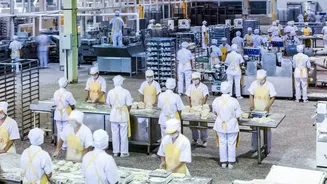
Translating a grandmother's craft into a viable business is not without its hurdles. The very things that make these pickles special—seasonal ingredients, time-consuming methods, and the absence of artificial preservatives—are significant business challenges. Sourcing high-quality, seasonal produce is a constant effort. The traditional, hands-on process means production is slow and batch sizes are limited. Unlike industrial producers who use machines for chopping and mixing, many artisanal makers do everything by hand to maintain authenticity. This makes it difficult to compete on price with mass-market brands. Furthermore, navigating food safety regulations, such as those from the FSSAI, can be a complex and costly process for small-scale producers who often operate on slim margins.
More Than a Condiment, a Connection
What these small-batch makers sell is not just a pickle; it's a story in a jar. They are tapping into a growing consumer desire for 'clean-label' foods that are free from artificial additives and preservatives. They connect with their customers through social media and direct-to-consumer websites, sharing the stories behind their recipes and the faces of the women who make them. Many, like The Little Farm Co., emphasize their connection to the source, plucking vegetables just hours before the pickling begins. This transparency builds trust and allows them to connect with a market that values authenticity and is willing to pay a premium for a product with a clear, traceable origin. By buying these pickles, consumers are not just getting a flavourful condiment; they are supporting rural employment and the preservation of a rich culinary heritage.