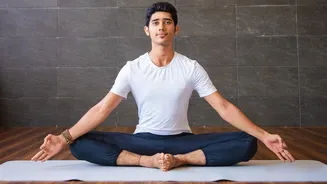





What is Breath Awareness?
Breath awareness is simply the practice of paying attention to your breath without trying to change or control it. It’s not a special breathing exercise that requires you to breathe deeply or hold your breath in a specific pattern. Instead, it’s about
observation. Think of it as passively noticing the physical sensations of each inhale and exhale—the feeling of air at your nostrils or the gentle rise and fall of your chest and belly. The goal isn't to achieve a special state, but to gently anchor your attention in the present moment using the breath you already have.
The Gentle Power of Your Breath
So, why bother paying attention to something so automatic? The benefits are surprisingly profound. Regularly practicing breath awareness can be a powerful tool for stress reduction. By focusing on the breath, you can activate the body's relaxation response, which can help lower your heart rate and blood pressure. This simple practice also enhances mental clarity and focus. By training your attention on the breath, you are strengthening your ability to concentrate in other areas of your life. Over time, this can lead to improved emotional regulation, better sleep, and an overall sense of balance.
A Simple Starter Exercise
Ready to try? You don't need any special equipment, just a few minutes and a comfortable position. You can be sitting in a chair with your feet on the floor or lying down. Close your eyes if you're comfortable, or just soften your gaze. Begin by simply noticing your body and how it feels. Now, gently bring your awareness to your breath. Feel it wherever it’s most obvious to you—perhaps the cool air entering your nostrils, the warmth as you exhale, or the expansion of your abdomen. Don't force it. Just follow the natural rhythm of your breathing, in and out. Your only job is to notice.
Navigating a Wandering Mind
One of the first things you'll notice is that your mind will wander. It will drift to your to-do list, a conversation you had, or what's for dinner. This is completely normal and expected. The practice isn't about stopping your thoughts; it's about what you do when you notice you've been distracted. When you realize your mind has wandered, gently and without judgment, guide your attention back to the sensation of breathing. Every time you do this, you are successfully practicing breath awareness. It’s the act of returning, again and again, that builds the mental muscle.
Building a Lasting Routine
Consistency is more important than duration. It's better to practice for two minutes every day than for 20 minutes once a week. Start small, with just a few minutes at a time. A great way to build a habit is to link it to something you already do, like your morning coffee or right before you brush your teeth. This is called 'habit stacking'. Choose a time and place where you're less likely to be interrupted. Don’t worry about 'doing it right'. The goal is to simply show up. If you miss a day, just start again the next day without criticism. The key is to make it a comfortable and kind practice, not another chore on your list.
Common Hurdles to Expect
As you begin, you might encounter a few common challenges. Some people feel sleepy, while others feel restless or even irritated. Sometimes, paying close attention can make breathing feel manual or awkward, which can cause anxiety. If focusing on the breath feels uncomfortable, shift your attention to an external sensation, like the feeling of your feet on the floor or a sound in the room. Remember, the aim is to reduce stress, not add to it. If you’re struggling, shorten your sessions or try a different time of day. The most important thing is to be patient and gentle with yourself as you learn.