




The Allure of Ziro Valley
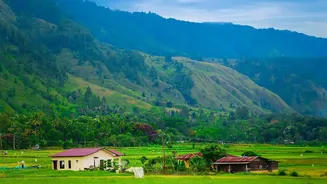
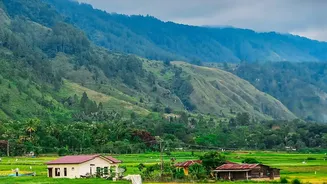
Nestled in the lower Subansiri district of Arunachal Pradesh, Ziro Valley is more than just a pretty destination; it's a living cultural landscape. Home to the Apatani tribe, the valley is famed for its stunningly efficient agricultural system of wet
rice cultivation combined with fish farming, a practice that has earned it a place on UNESCO's tentative list for World Heritage Sites. This harmonious relationship between people and nature is what draws visitors seeking an escape from the ordinary. The landscape of pine-clad hills, bamboo groves, and meticulously terraced paddy fields creates a sense of profound tranquillity, offering a glimpse into a sustainable way of life that has been preserved for generations.
Your Key to Entry: The Inner Line Permit (ILP)
Before you can witness Ziro’s beauty, you need an Inner Line Permit (ILP). This is a mandatory travel document for all Indian citizens who are not residents of Arunachal Pradesh. The ILP system dates back to the colonial-era Bengal Eastern Frontier Regulation of 1873 and is in place to protect the cultural identity and livelihoods of the indigenous communities from unregulated entry. It's a critical safeguard, not just a piece of paper. Getting one is straightforward. The easiest method is applying online through the official Arunachal Pradesh e-ILP portal. You'll need a photo ID (like an Aadhaar card), a passport-sized photograph, and details of your stay. While approval is often quick, it's wise to apply at least a few days in advance to avoid any last-minute issues. Remember to carry both a digital and a printed copy, as it will be checked at entry points.
Beyond Hotels: Embracing Eco-Stays and Homestays
The trend among young travellers is to skip conventional hotels for more authentic accommodation. In Ziro, this means choosing homestays or eco-friendly stays run by local Apatani families. An Apatani homestay is not just a room; it's an invitation into a home and a way of life. These stays often feature traditional bamboo architecture and offer meals cooked in the family kitchen with locally sourced ingredients. By choosing a homestay, travellers directly support the local economy and gain a much deeper cultural understanding. Eco-stays take this a step further, often incorporating practices like solar energy, responsible waste management, and minimal plastic use, aligning perfectly with the valley's sustainable ethos. This immersive experience—sharing stories, learning about customs, and seeing daily life up close—is often the most memorable part of the trip.
The Unwritten Rules of Responsible Travel
Following the formal rules is just the start. Responsible tourism in Ziro is about a mindset of respect. This means adhering to a few unwritten, common-sense guidelines that ensure your visit has a positive impact. Always ask for permission before photographing people or their homes; the Apatani are proud of their heritage but appreciate courtesy. Minimize your environmental footprint by avoiding single-use plastics and carrying your non-biodegradable waste out with you. When exploring the villages and paddy fields, stick to the paths and respect the intricate irrigation channels. Support the local community directly by hiring local guides for treks, buying handicrafts from artisans, and eating at local establishments. These small acts of mindfulness help preserve the fragile ecosystem and unique culture that make Ziro so special.