






The Old 'Balance' is Broken
Remember the classic food pyramid or the plate divided perfectly into carbs, protein, and fat? For decades, this was our model for healthy eating. While well-intentioned, this approach often led to a culture of obsession. We counted calories, demonised
entire food groups, and felt guilty for not having the 'perfect' plate. This rigid mindset, known as diet culture, has made many people feel like they’ve failed every time a new food rule didn't work. This has caused a rise in food-related anxiety and a complicated relationship with what we eat. The constant pressure to balance every single nutrient has become exhausting and, for many, unsustainable. It has pushed people to seek an alternative that doesn't involve strict rules and constant vigilance.
Enter Fibre: The Unsung Hero
Nutrition science is now shining a spotlight on a simpler, more effective focus: dietary fibre. Found in plant-based foods like fruits, vegetables, whole grains, and legumes, fibre is the part of the plant that our bodies can't digest. Experts now recommend adults consume around 25 to 38 grams per day, an amount most people are not currently meeting. There are two main types: soluble fibre, which dissolves in water to form a gel, and insoluble fibre, which adds bulk to stool. Soluble fibre, found in oats, beans, and apples, helps control blood sugar and lower cholesterol. Insoluble fibre, present in whole grains and vegetables, promotes regular bowel movements. Together, they form a powerful duo for our overall health.
More Than Just Digestion
The benefits of a high-fibre diet extend far beyond just keeping you regular. A diet rich in fibre is linked to a lower risk of developing heart disease, type 2 diabetes, and certain types of cancer. It also plays a crucial role in weight management. High-fibre foods are more filling, which means you're likely to eat less and stay satisfied for longer. Furthermore, fibre acts as a prebiotic, feeding the trillions of good bacteria in your gut. A healthy gut microbiome is essential for a strong immune system, better mood, and reduced inflammation throughout the body. In a country like India, where diabetes rates are a concern, the ability of fibre to slow down sugar absorption is particularly crucial.
Adding Fibre Without the Fuss
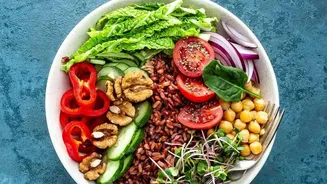
Increasing your fibre intake doesn't have to be complicated. The key is to make small, sustainable swaps. Start your day with oatmeal or a whole-grain cereal. Instead of white rice, try brown rice, millets like jowar and bajra, or quinoa. Add pulses like beans, lentils, or chickpeas to your curries, stews, and salads. Snack on fresh fruits, a handful of nuts, or vegetable sticks instead of processed snacks. One of the easiest tricks is to eat your fruits and vegetables with their skins on whenever possible, as that’s where much of the fibre is found. And remember to increase your water intake as you increase your fibre, as fibre absorbs water to work effectively.
Letting Go of Food Obsession
This shift towards prioritising fibre is part of a larger movement away from restrictive dieting and towards 'intuitive eating'. Intuitive eating is about listening to your body's natural hunger and fullness cues instead of following external rules. It encourages making peace with all foods and rejecting the 'good' versus 'bad' food mentality. By focusing on adding nutrient-dense, high-fibre foods to your diet, you naturally crowd out less nutritious options without feeling deprived. This positive approach helps rebuild trust with your body and fosters a healthier, less stressful relationship with food. It’s about nourishment, not punishment, and finding joy in the eating experience again.