







The Anatomy of a Crowd Crush
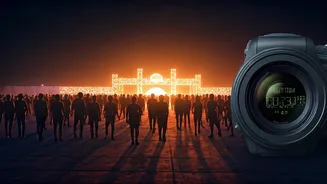
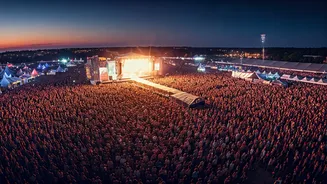
It’s a common misconception that fatalities in dense crowds are caused by trampling. The reality is far more insidious: it's compressive asphyxia. When crowd density becomes too high—anything over four to five people per square metre—the pressure from
all sides can become immense. People are squeezed so tightly that their lungs cannot expand, leading to suffocation while they are still standing. Tragedies are often triggered not by widespread panic, but by a simple catalyst: a surge toward the stage, a blocked exit, or a collision of two moving crowds. This creates a ripple effect, or a 'crowd quake,' where individuals are moved uncontrollably by the force of the mass around them. If someone falls, a void is created, causing others to fall into the space and leading to a progressive and catastrophic collapse. These incidents are rarely spontaneous; they are almost always the result of organisational failures in managing crowd flow and density.
The Blueprint for Calm
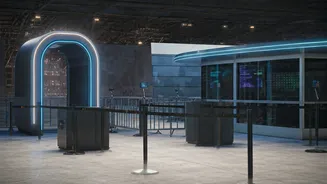
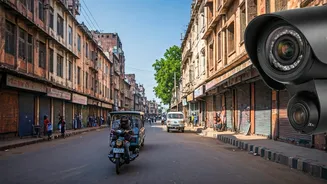
Preventing chaos is not a mystery; it’s a science. Effective crowd management is a foundational part of event planning, not an afterthought. Organisers can design for calm by creating logical layouts with wide, clearly marked pathways and multiple entry and exit points. Using barriers to create designated zones and one-way flows can prevent bottlenecks and dangerous surges. Technology like AI-powered surveillance and real-time attendance tracking can help monitor crowd density and predict potential problem areas before they escalate. Furthermore, providing ample access to essentials like water stations and restrooms, and creating 'chill-out' zones away from the main stages, gives attendees a chance to decompress. This reduces the overall stress and irritability that can contribute to a volatile crowd atmosphere. Ultimately, treating attendees as partners in safety, rather than a threat to be policed, fosters a more cooperative environment.
Your Festival Survival Guide
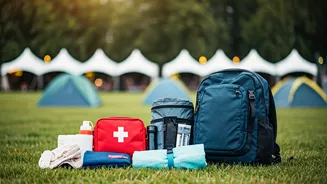
While organisers hold the primary responsibility for safety, attendees can also take steps to protect themselves. Before you even arrive, research the venue layout to know where exits, first-aid stations, and water points are located. Once there, stay aware of your surroundings. If a crowd starts to feel too dense or chaotic, move towards the sides or diagonally against the flow to find a less crowded space. Never try to push directly against a moving crowd. Agree on a specific, easily identifiable meeting point with your friends in case you get separated, as mobile service can be unreliable. Simple choices like wearing sturdy, closed-toe shoes can prevent tripping, and staying hydrated is crucial to avoid heat-related illness, which can impair judgment. If you do fall, protect your head with your arms and try to get back up immediately. If you find yourself caught in a crush, keep your arms in front of your chest like a boxer to create space for your lungs to breathe.
A Shared Responsibility
Safety is a collective effort that extends beyond just organisers and attendees. Artists on stage wield significant influence over the crowd's energy. A simple instruction to 'take a step back' or a momentary pause in the music to allow the crowd to settle can de-escalate a dangerous situation. By pacing their sets and interspersing high-energy songs with calmer moments, performers can help manage the audience's excitement levels. Local authorities also play a vital role in enforcing safety regulations and ensuring that venues are not operating beyond their legal capacity. The goal for everyone involved should be the same: to create an environment where the focus remains on the music and community, not on survival. When calm is prioritized, the festival experience is enhanced for everyone.