




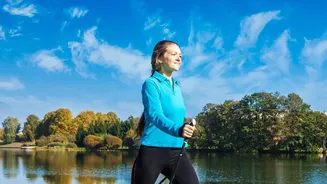
Understanding Low-Impact Exercise
Low-impact exercise includes any activity that minimises stress and shock on your joints. Unlike high-impact workouts such as running or jumping, which involve both feet leaving the ground simultaneously, low-impact movements are gentler and more controlled.
This makes them an ideal choice for a wide range of people, including beginners, older adults, individuals recovering from injury, and anyone with joint conditions like arthritis. The goal is to raise your heart rate and build strength safely, reducing the risk of strain or injury while still delivering significant health benefits. These workouts improve flexibility, build endurance, and support mental well-being, proving that you don't need to pound the pavement to achieve your fitness goals.
The Science of Swimming: Buoyancy in Action
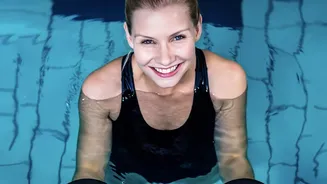
Swimming is a prime example of a low-impact, high-reward exercise, thanks to one simple principle: buoyancy. When you're in the water, it supports up to 90% of your body weight. This drastically reduces the force of gravity pulling on your body, which in turn relieves pressure on weight-bearing joints like your knees, hips, and spine. For someone with joint pain, this creates an environment where movement becomes easier and less painful. The water acts as a cushion, allowing you to move with a freedom you might not have on land. This supportive quality makes swimming and other aquatic exercises a powerful tool for rehabilitation and for anyone looking to stay active without aggravating sensitive joints.
A Full-Body Workout in the Pool
While swimming is gentle on the joints, it's a powerhouse workout for the rest of your body. The water provides constant, gentle resistance from all directions, forcing your muscles to work harder with every stroke, kick, and pull. This engages nearly every major muscle group — from your arms, shoulders, and back to your core and legs — helping to tone muscle and build strength. Swimming is also an excellent cardiovascular exercise. It strengthens your heart, improves circulation, and can even increase your lung capacity over time as you learn to control your breathing. As a result, regular swimming can help manage weight, lower blood pressure, and reduce the risk of chronic illnesses.
Tips for Getting Started with Swimming
Diving into a new swimming routine is simple. First, find a local pool at a gym or community centre. If you're a complete novice, consider a few lessons to learn basic strokes and breathing techniques, which will help you get the most out of your workout and build confidence. To start, you don't need much gear: a comfortable swimsuit, a pair of anti-fog goggles, and perhaps a swim cap are all you need. Focus on consistency rather than intensity at the beginning. Aim for 20-30 minute sessions a couple of times a week, and don't be afraid to take breaks. You can start by simply walking in the water or using a kickboard to focus on your leg strength before moving on to full laps.
Other Gentle Workout Options
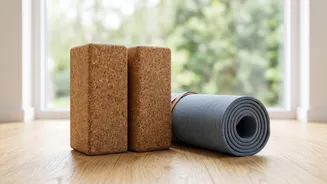
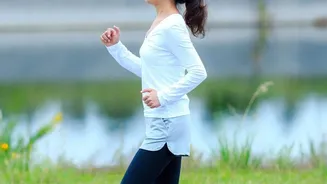
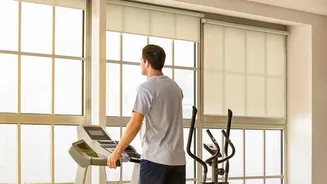
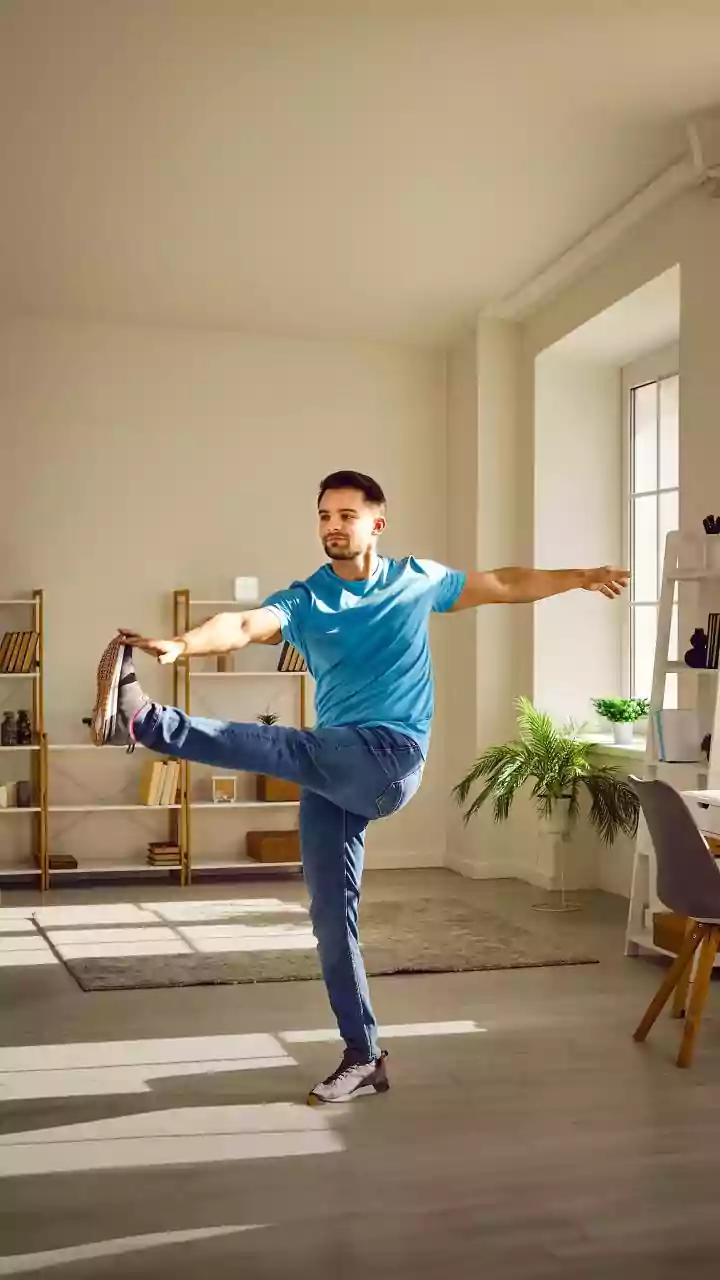
Swimming is a fantastic choice, but it's not the only low-impact option available. Walking is one of the most accessible forms of exercise, and a brisk walk can be highly effective for cardiovascular health. Cycling, either on a stationary bike or outdoors, offers a great lower-body workout with zero impact on the knees and ankles. Other popular choices include using an elliptical machine, rowing, yoga, and Pilates. These activities are known for improving strength, balance, and flexibility in a controlled, joint-friendly manner. The key is to find an activity you genuinely enjoy, as that's the workout you're most likely to stick with in the long run.