




The Great Himalayan Rain Shield
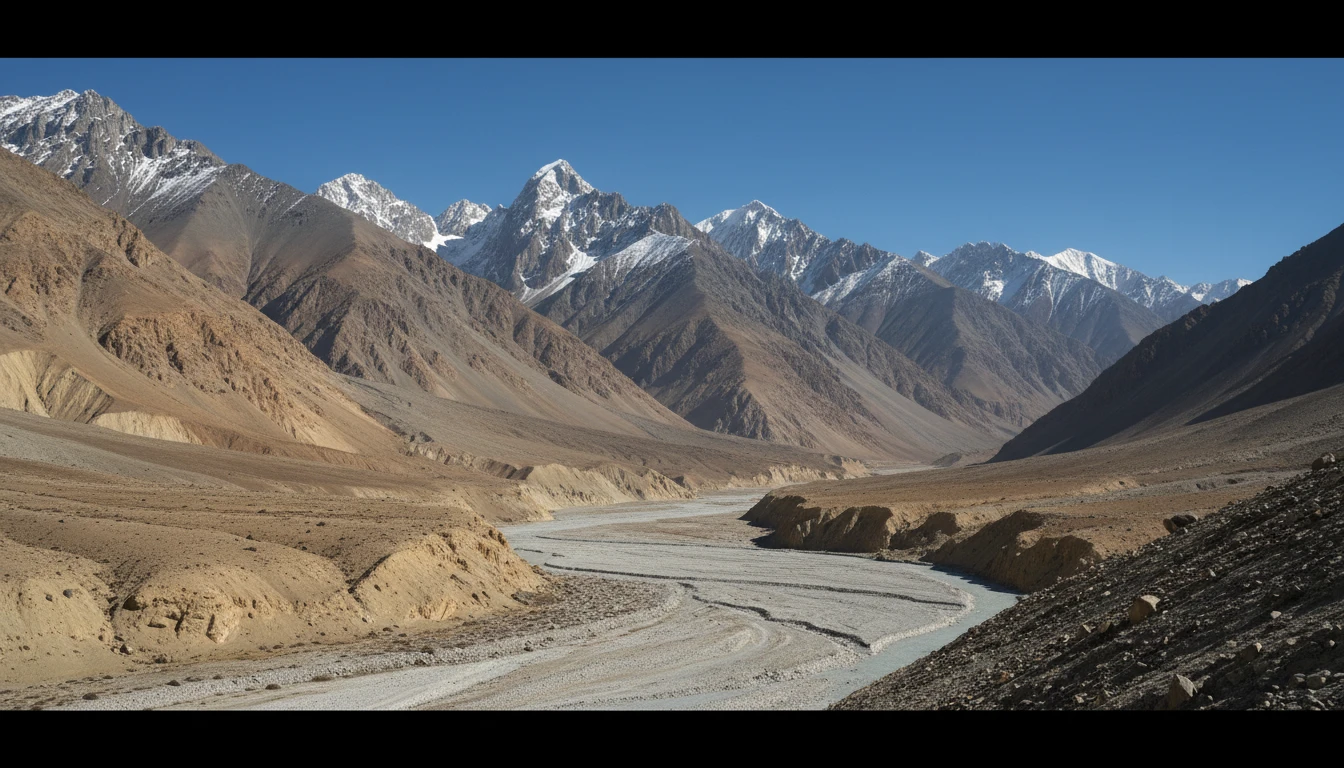
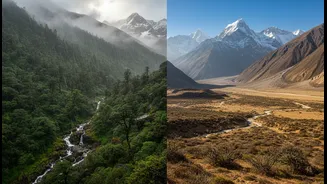
The primary reason Ladakh and Spiti offer a safer haven during the Indian monsoon is a simple geographic phenomenon: the rain-shadow effect. The towering Greater Himalayan range acts as a colossal barrier, intercepting the moisture-laden monsoon clouds
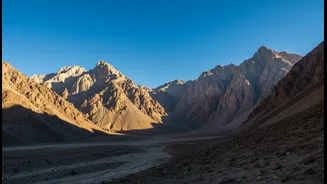
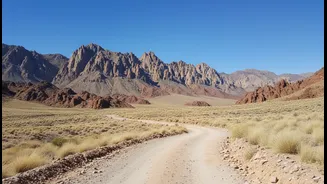
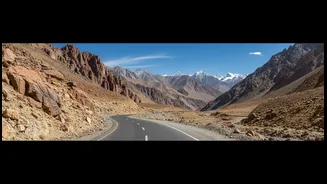
that sweep in from the south. As these clouds are forced to rise, they cool and shed their moisture as heavy rain on the windward side, nourishing the lush green valleys of states like Uttarakhand and lower Himachal Pradesh. By the time the clouds cross this formidable mountain wall to reach Ladakh and Spiti on the leeward side, they have exhausted their payload of rain. This process leaves the Trans-Himalayan region remarkably dry, transforming it into a cold desert. While the rest of the country grapples with downpours, these areas bask in sunshine and clear blue skies, making them ideal for travel between June and September.
A Tale of Two Terrains
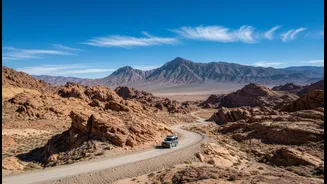
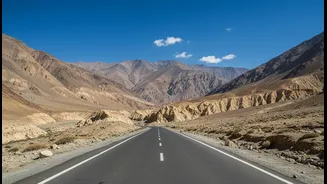
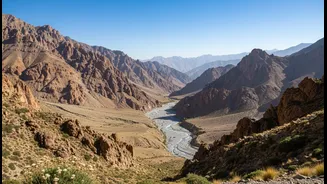
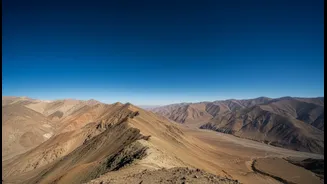
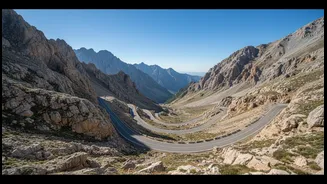
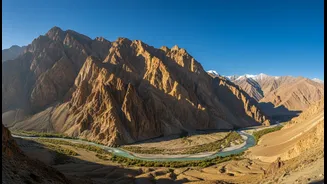
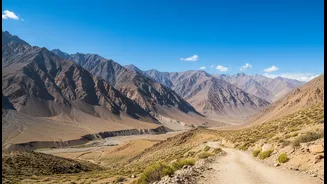
Geology and terrain play a massive role in landslide risk. Many popular hill stations in the lower Himalayas are characterised by steep slopes covered in thick layers of soil and vegetation. During the monsoon, relentless rain saturates this soil, making it heavy, unstable, and prone to giving way in catastrophic mudslides. Roads are often carved into these fragile slopes, increasing their vulnerability. In stark contrast, Ladakh and Spiti are landscapes of barren rock, sand, and scree. Their cold desert climate supports minimal vegetation. The ground is composed more of rock and gravel than deep, loose soil. While erosion and rockfall can occur, the primary trigger for widespread landslides — soil saturation from sustained, heavy rainfall — is largely absent. This fundamental difference in geography makes the internal roads and slopes within Ladakh and Spiti inherently more stable during the monsoon months.
The Appeal of a Predictable Journey
For safety-conscious tourists, especially families, predictability is a luxury. The constant worry of being stranded for days due to a landslide, a washed-out bridge, or a blocked highway can ruin a holiday. Ladakh and Spiti offer a welcome sense of assurance. While the approach roads, particularly the Manali-Leh and Manali-Kaza highways, do pass through monsoon-affected zones and carry risks, once you are within the main valleys, the threat of rain-induced disruption diminishes dramatically. This reliability allows travellers to plan their itineraries with more confidence, knowing that the chances of getting stuck between destinations like Leh, Nubra Valley, Pangong Lake, or Kaza are significantly lower. This peace of mind is a powerful magnet for those who want the majesty of the Himalayas without the monsoon's uncertainty.
A Different Set of Challenges
While these regions are safer from monsoon landslides, they are not without their own unique risks. The single most significant challenge for any visitor is Acute Mountain Sickness (AMS). Leh is at an altitude of 3,500 metres, and many passes are much higher. Flying directly into Leh from the plains is a massive altitude jump, and the body needs time to acclimatise. Rushing an itinerary without adequate rest can lead to severe health complications. Symptoms like headaches, nausea, and dizziness should never be ignored. Additionally, the dry, rocky terrain is susceptible to flash floods caused by sudden cloudbursts or glacial lake outbursts, which can be swift and dangerous. The approach roads also remain a point of concern, and travellers should always build buffer days into their plans for potential delays.
More Than Just a Safe Bet
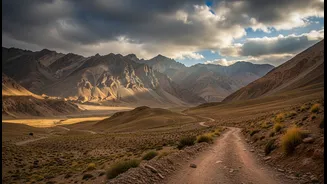
Ultimately, tourists are drawn to Ladakh and Spiti for reasons that go far beyond just safety. The very geography that keeps the rain away creates a landscape of unparalleled, otherworldly beauty. The stark, dramatic mountains painted in shades of brown, grey, and purple, the impossibly blue lakes, and the deep canyons are a photographer's dream. The region is also a cultural treasure trove, home to ancient Buddhist monasteries perched precariously on cliffs, offering a deep sense of peace and spirituality. The promise of adventure, from epic road trips over the world's highest motorable passes to challenging treks and stargazing under pristine night skies, completes the appeal. The safety from landslides is the gateway, but the unique experience is what truly captivates the soul.