




A Return to Simplicity
Long before 'one-pot cooking' became a global hashtag, it was a daily reality in kitchens across India. Today, this ancient practice is seeing a resurgence, feeling more relevant than ever. The reasons are deeply practical: busy schedules demand meals
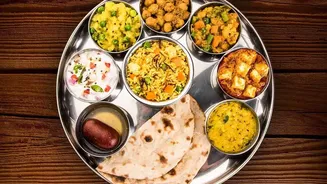
that are easy to prepare, while a focus on wellness draws us to wholesome, balanced dishes. One-pot meals answer both calls, offering a complete and nourishing plate with minimal fuss and cleanup. This renewed interest is not just about saving time. It’s also about sustainability. A single cooking vessel uses less fuel and water, creates fewer dishes to wash, and is an excellent way to use leftover vegetables, aligning perfectly with a modern desire for more conscious consumption.
The Soul of One-Pot Cooking
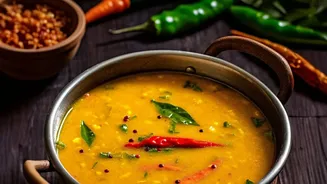
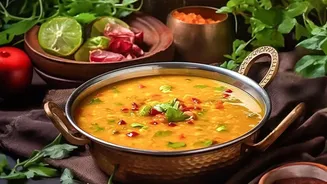
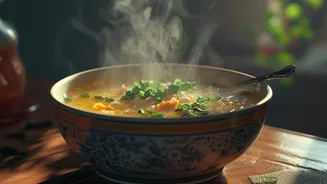
At the heart of this tradition is Khichdi, perhaps India's most recognized and enduring one-pot meal. Derived from the Sanskrit word 'khicca,' meaning a dish of rice and legumes, its history is believed to stretch back thousands of years. Early Ayurvedic texts like the Charaka Samhita praised similar preparations for being easy to digest and deeply nourishing, a reputation Khichdi still holds today. It is often the first solid food for babies, a recovery meal for the sick, and a source of comfort for all ages. But its story isn't confined to humble home cooking. Foreign travelers in the 15th and 16th centuries noted its widespread consumption, and it was a documented favourite in Mughal courts, with emperors like Akbar and Jahangir enjoying their own special versions. This incredible versatility—from a simple recuperative broth to an elaborate dish fit for royalty—is central to its timeless appeal.
A Tapestry of Tastes
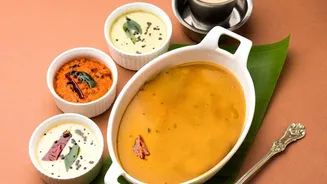
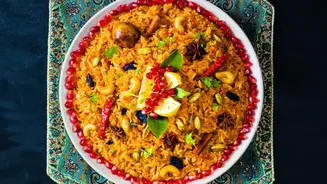
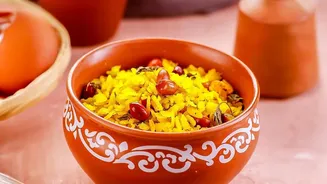
While Khichdi is the most famous ambassador of this culinary style, it is just one thread in a rich and diverse tapestry. India's regional cuisines are filled with unique one-pot creations. In Karnataka, Bisi Bele Bath combines rice, lentils, seasonal vegetables, tamarind, and a special spice blend into a symphony of sweet, sour, and savoury flavours. In the South, Pongal is a cherished dish, particularly during harvest festivals, where newly harvested rice and lentils are cooked together to symbolise abundance. Further north, Tehri and Pulao offer fragrant rice-based meals cooked with vegetables or meat. Even complex dishes like Biryani, in its traditional 'dum' form, rely on the one-pot principle of sealing ingredients in a single vessel to cook slowly, allowing flavours to meld perfectly. From coastal Kerala’s Meen Choru, where fish cooks with rice and spices, to Bengal’s flavourful Khichuri, the one-pot philosophy is a national culinary language spoken in countless dialects.
Nourishment, Nostalgia, and Wisdom
The revival of one-pot cooking is about more than just convenience; it’s a rediscovery of inherent culinary wisdom. Nutritionally, many of these dishes are perfectly balanced. The combination of a cereal like rice with a pulse like lentils creates a complete protein, providing all the essential amino acids our bodies need. Cooking everything together also ensures that nutrients from vegetables, which might otherwise be lost in cooking water, are retained in the final dish. Beyond the physical benefits, these meals are carriers of comfort and nostalgia, connecting us to childhood memories and family traditions. They represent a sustainable and intuitive way of eating that was perfected over generations, proving that a single pot can hold not just a meal, but a legacy of health, flavour, and practicality.