







The Silent Budget Buster
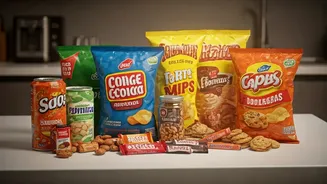
It’s a scenario familiar to many: a quick stop for a cold drink, an impulsive order of a favourite namkeen, or a daily chai-and-biscuit break. While individually inexpensive, these frequent purchases create a significant, often invisible, drain on our finances.
Food inflation has become a persistent pressure on Indian households, with the Consumer Food Price Index showing a notable increase. In May 2026, food costs rose by 4.78 percent compared to the previous year. This means everything from packaged biscuits to street-side chaat is getting dearer. This slow creep in prices makes our snacking habits more expensive than we realise, turning what feels like a small indulgence into a major budget leak over a few months.
First Step: A Reality Check
You cannot manage what you do not measure. The first step towards disciplined snack spending is to conduct a simple ‘snack audit’. For one or two weeks, track every rupee you spend on non-meal food items. Use a small notebook or a notes app on your phone. Record everything—the morning coffee, the afternoon packet of crisps, the late-night ice cream. At the end of the period, categorise and tally up the expenses. The final number is often a surprise. This exercise isn't about feeling guilty; it's about gaining clarity. Understanding where your money is going is the most powerful first step toward making conscious, and more economical, choices.
Plan Your Snacks, Not Just Meals
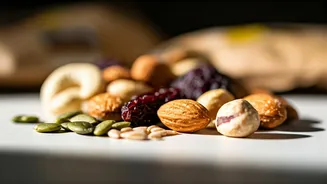
Many of us are diligent about planning our main meals for the week, but snacks are often an afterthought, leading to impulsive and expensive choices when hunger strikes. Treat snacks as a planned part of your daily nutrition. When you create your weekly grocery list, include specific, budget-friendly snack items. This simple habit prevents you from grabbing whatever is convenient and overpriced at the office canteen or local kirana store. Having a designated snack for each day—like a piece of fruit, a handful of peanuts, or a small bowl of dahi—removes the decision-making fatigue that often leads to splurging.
Embrace DIY and Smart Swaps
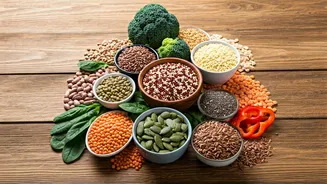
Convenience comes at a cost. Pre-packaged, branded snacks are almost always more expensive than their homemade counterparts. Instead of buying roasted makhana, buy it plain and roast it yourself with your favourite spices. Swap expensive protein bars for a simple boiled egg or a handful of roasted chana, which offer excellent nutritional value at a fraction of the price. Even simple things, like making a large flask of tea or coffee at home to take to work, can save a surprising amount of money over a quarter. Other cost-effective and healthy options include sprout chaat, peanuts, and moong dal cheelas. These swaps not only benefit your wallet but often your health as well.
Mindful Munching and Strategic Shopping
Often, we snack not out of hunger but out of habit, boredom, or stress. Before reaching for a snack, take a moment to ask yourself if you're truly hungry. Sometimes, a glass of water or a short walk is all you need. When you do shop for snacks, do it strategically. Buying staples like peanuts, lentils, and oats in bulk can lead to significant savings. However, be wary of buying perishable items in large quantities unless you are sure you will consume them. Also, try to shop from local mandis or weekly markets where produce is often fresher and cheaper than at larger supermarkets. Finally, never shop when you are hungry; it is a sure-fire way to end up with a cart full of unplanned, expensive treats.