




The Drainage Dilemma
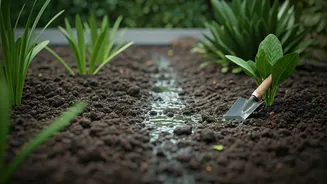
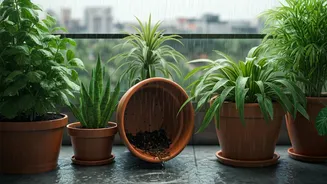
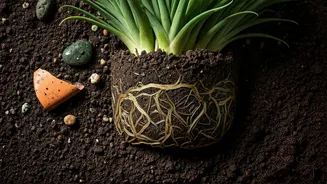
The number one enemy of potted plants during the monsoon is not too much rain, but what that rain does when it has nowhere to go. When water sits at the bottom of a pot, it drowns the roots, cutting off their oxygen supply. This leads to root rot, a fungal
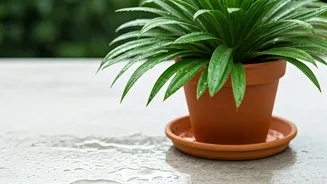
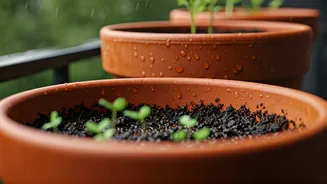
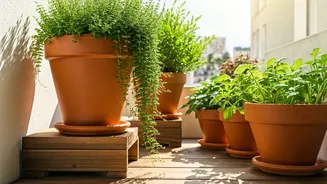
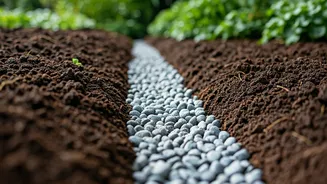
disease that is often fatal. Your pot might have a drainage hole, but if it’s sitting flat on a balcony floor, that hole can easily get blocked. The solution is elevation. Place your pots on pot stands, bricks, or even simple 'pot feet'. This small gap between the pot and the ground ensures that excess water can always escape freely. This simple act of lifting your pots is the single most important step you can take. While you’re at it, give the drainage holes a quick check to ensure they aren't clogged with compacted soil or old roots.
Chasing the Elusive Sunlight
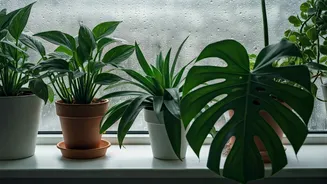
Monsoon skies are often a blanket of grey, drastically reducing the amount and intensity of sunlight. Plants need light for photosynthesis, the process that creates their food. Without enough of it, they become weak, their leaves may turn yellow, and they will stop growing or flowering. While you can't control the clouds, you can maximise the light your plants receive. Identify the brightest spot in your home or on your balcony. This is usually an east-facing area that gets the gentle morning sun, or a spot that isn't overshadowed by a large roof or building. Move your sun-loving plants like hibiscus, bougainvillea, and roses to these prime locations. For indoor plants, moving them closer to a window can make a significant difference. Rotate them every few days so all sides get some exposure to the limited light.
Improving Air Circulation to Fight Fungus
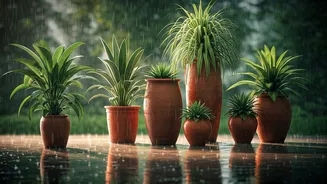
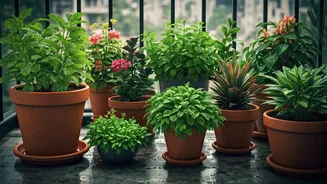
High humidity and damp foliage create the perfect breeding ground for fungal diseases like powdery mildew. You’ll see it as a white, dusty coating on leaves. When pots are huddled together, air can't circulate between them. This traps moisture and makes the problem worse. Give your plants some personal space. Arrange your pots so there are at least a few inches between each one. This allows air to flow freely around the leaves, helping them dry off faster after a downpour. It's also a good idea to prune any overcrowded branches or leaves from your plants. This not only improves air circulation within the plant itself but also directs the plant's energy towards healthier growth. If a plant does show signs of fungus, isolate it immediately to prevent it from spreading to its neighbours.
Shelter from Wind and Rain
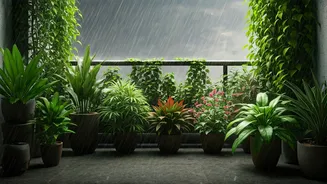
The monsoon isn't just about gentle showers; it often brings strong winds and lashing rain. These can be physically brutal on your plants. Delicate stems can snap, large leaves can be torn to shreds, and entire pots can be knocked over. Plants with soft stems, like coleus or balsam, and those with large, ornamental leaves are particularly vulnerable. The solution is to create a sheltered zone. Move these more fragile plants against a solid wall, into a corner of your balcony, or under an overhang. This protects them from the direct force of the wind and rain. For very small or delicate plants, consider bringing them indoors temporarily during a major storm. This strategic retreat can prevent irreversible damage and keep your green companions looking their best.
A Note on Specific Plant Needs
Not all plants are created equal, and their monsoon needs vary. Succulents and cacti, for instance, are desert plants that despise waterlogged soil. It's often best to move them to a covered veranda or even indoors to a bright spot where you can control their water intake completely. On the other hand, classic tropical plants like ferns and money plants love the humidity but still need protection from direct, heavy rain that can damage their foliage. Holy basil (Tulsi), a staple in many Indian homes, is particularly susceptible to root rot and needs excellent drainage and as much sun as it can get. Pay attention to what each plant is telling you through its leaves and soil, and adjust its position accordingly.