






Bengal: Beyond The Usual Telebhaja
When clouds gather over Bengal, the call for 'telebhaja' (fried snacks) is undeniable. While classics like Beguni and Peyaji are staples, the season also brings forth unique preparations. One such delicacy is Kochu Shak, which uses the succulent stems
of the colocasia plant. Often cooked into a semi-thick vegetarian dish called Ghonto with grated coconut, or with the head of the prized monsoon fish, Ilish, it's a true seasonal specialty. Another star is Taler Bora, sweet palm fruit fritters that mark the festive part of the rainy season, offering a delightful contrast to the savoury snacks. For a more substantial meal, there's the Bhuna Khichuri, a richer, more fragrant version of the everyday khichdi, slow-cooked with roasted moong dal and Gobindobhog rice, embodying the essence of a rainy afternoon meal.
Goa: A Green Season of Surprises
The monsoon transforms Goa from a sun-drenched beach haven to a lush, green paradise, and its cuisine follows suit. As fishing becomes difficult, a variety of vegetarian dishes take centre stage. One such comfort food is Patoleo, a sweet rice cake filled with jaggery and coconut, delicately steamed in fragrant turmeric leaves, often prepared for the Feast of the Assumption in August. Then there is Khatkhatem, a hearty mixed-vegetable stew. This dish is a medley of monsoon produce like raw bananas and yams, simmered in a tangy coconut-based gravy. Another unique monsoon creation is Samarachi Kodi, a curry made from dried prawns, a clever way to preserve the taste of the sea when fresh catch is scarce.
Rajasthan: Deserts in Bloom and on the Plate
In the arid landscape of Rajasthan, the monsoon is a time of immense celebration, reflected in its food. The most iconic sweet of the season is Ghevar, a disc-shaped, honeycomb-like dessert made from flour and ghee, soaked in sugar syrup. It's particularly associated with the Teej festival, which falls during the monsoon. On the savoury side, while Dal Baati Churma is a year-round delight, it becomes especially comforting on a chilly, rainy day. Another spicy favourite is Mirchi Vada, large green chillies stuffed with a spiced potato filling, battered, and deep-fried to perfection—a popular snack in Jodhpur. The rains also bring forth unique vegetables like Ker Sangri, a tangy pickle-like dish that is a staple side in Rajasthani thalis.
Kerala: An Ayurvedic Approach to Monsoon Eating
In Kerala, the monsoon month of Karkidakam is traditionally seen as a time for rejuvenation and building immunity. The cuisine of this season, therefore, is deeply rooted in Ayurvedic principles. A cornerstone of this is the Karkidaka Kanji, a medicinal rice porridge. Made with nutritious Navara rice, fenugreek, and other herbs, this gruel is designed to be warming and easy to digest during the damp weather. Another important dish is Pathila Thoran, a stir-fry made from ten different types of medicinal leaves that sprout during the rains. For a satisfying snack, there’s nothing quite like Pazham Pori, ripe plantain fritters, which are a beloved street food, especially when paired with a hot cup of tea on a rainy day.
Kumaon: Comfort from the Himalayan Hills
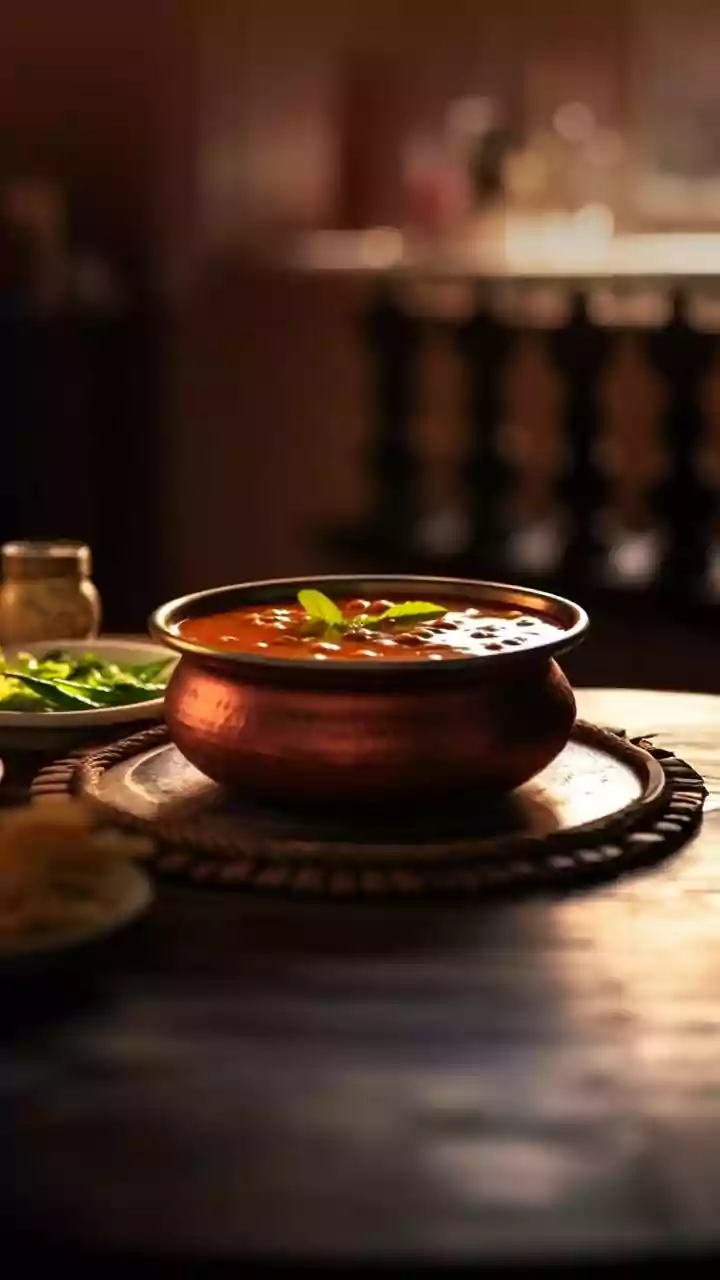
Nestled in the Himalayas, the Kumaon region of Uttarakhand has a rustic and earthy monsoon cuisine. The food is simple, relying on local ingredients and designed to provide warmth. A staple is Bhatt ki Churkani, a rich, soulful curry made from locally grown black soybeans, slow-cooked to bring out its deep flavour. It is often eaten with steamed rice. Another beloved dish is Aloo ke Gutke, a simple yet flavourful preparation of dry-spiced boiled potatoes, often tempered with a unique local seed called Jakhiya. To accompany these meals, there is the Mandua Roti, a hearty flatbread made from finger millet (ragi), which provides sustained energy during the cool mountain days.