
The Secret Power Inside Your Veggies
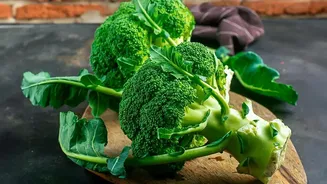
At the heart of what makes cruciferous vegetables so special is a group of compounds called glucosinolates. By themselves, they are stable and part of the plant's defense system. However, when the plant tissue is chopped, chewed, or damaged, a fascinating
chemical reaction begins. An enzyme called myrosinase, which is stored separately in the plant's cells, comes into contact with the glucosinolates. This interaction converts them into highly beneficial compounds called isothiocyanates. The most famous and well-studied of these is sulforaphane, a potent compound linked to antioxidant and anti-inflammatory benefits.
The Enzyme That Makes the Magic Happen
The key to maximising these health benefits lies with the myrosinase enzyme. Think of it as the factory needed to produce sulforaphane. Without it, the raw materials (glucosinolates) can't be transformed into the final, health-promoting product. The problem is that myrosinase is delicate and highly sensitive to heat. This is where many common cooking methods fall short. Cooking methods that use very high temperatures or prolonged heat can deactivate or completely destroy this vital enzyme, halting sulforaphane production before it can even begin.
Why Boiling and Roasting Fall Short
Boiling is particularly problematic for cruciferous vegetables. Not only does the high heat damage the myrosinase enzyme, but the glucosinolates themselves are water-soluble. When you boil broccoli or cabbage, a significant portion of these valuable compounds leaches out into the cooking water, which then gets poured down the drain. Studies have shown that boiling can result in major losses of glucosinolates. Over-roasting or frying at very high temperatures can also be detrimental, as the intense, prolonged heat can denature the myrosinase enzyme, leaving you with fewer of the compounds you were hoping to gain.
Steaming: The Goldilocks Cooking Method
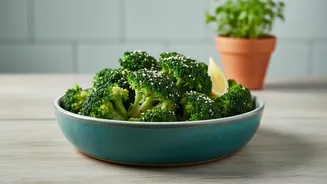
This is where short steam exposure comes in as the hero. Steaming is considered the "Goldilocks" method because it's just right. It uses gentle, indirect heat that is sufficient to cook the vegetables and make them tender-crisp, but it avoids the two main pitfalls of other methods. First, because the vegetables aren't submerged in water, the water-soluble glucosinolates are retained within the vegetable itself. Second, if the steaming time is kept short, it can preserve the activity of the myrosinase enzyme. Research has consistently shown that steaming is the best method for retaining the maximum amount of these beneficial compounds compared to boiling, microwaving, or frying.
Your Guide to Perfect Nutrient-Rich Steaming
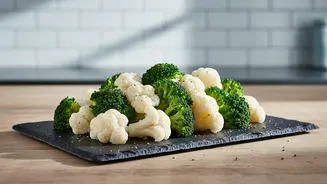
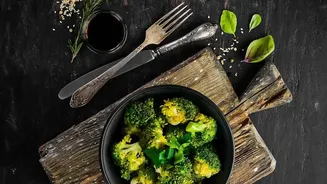
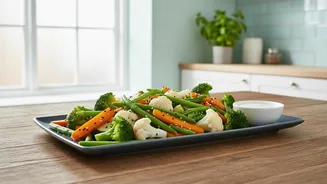
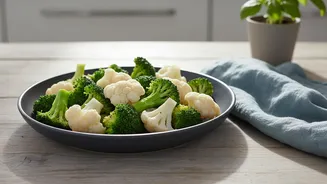
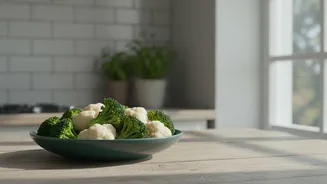
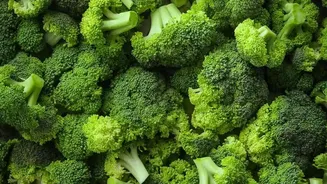
To get the most out of your cruciferous vegetables, follow these simple steps. First, chop your broccoli, cauliflower, or kale and let it sit for about 30 to 40 minutes before cooking. This 'hack' allows the myrosinase enzyme to start working and produce sulforaphane before any heat is applied. When you're ready to cook, bring a small amount of water to a boil in a pot and place the vegetables in a steamer basket above the water. Cover the pot and steam for just three to five minutes. The goal is to cook them until they are bright green and tender-crisp, not mushy. This short duration is enough to make them palatable while keeping the precious enzymes and compounds largely intact, ensuring you get the maximum health benefit from every bite.