




The Anatomy of a Record-Breaking Ton
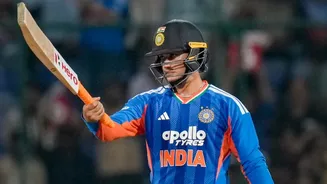
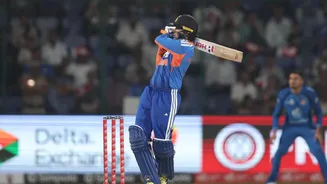
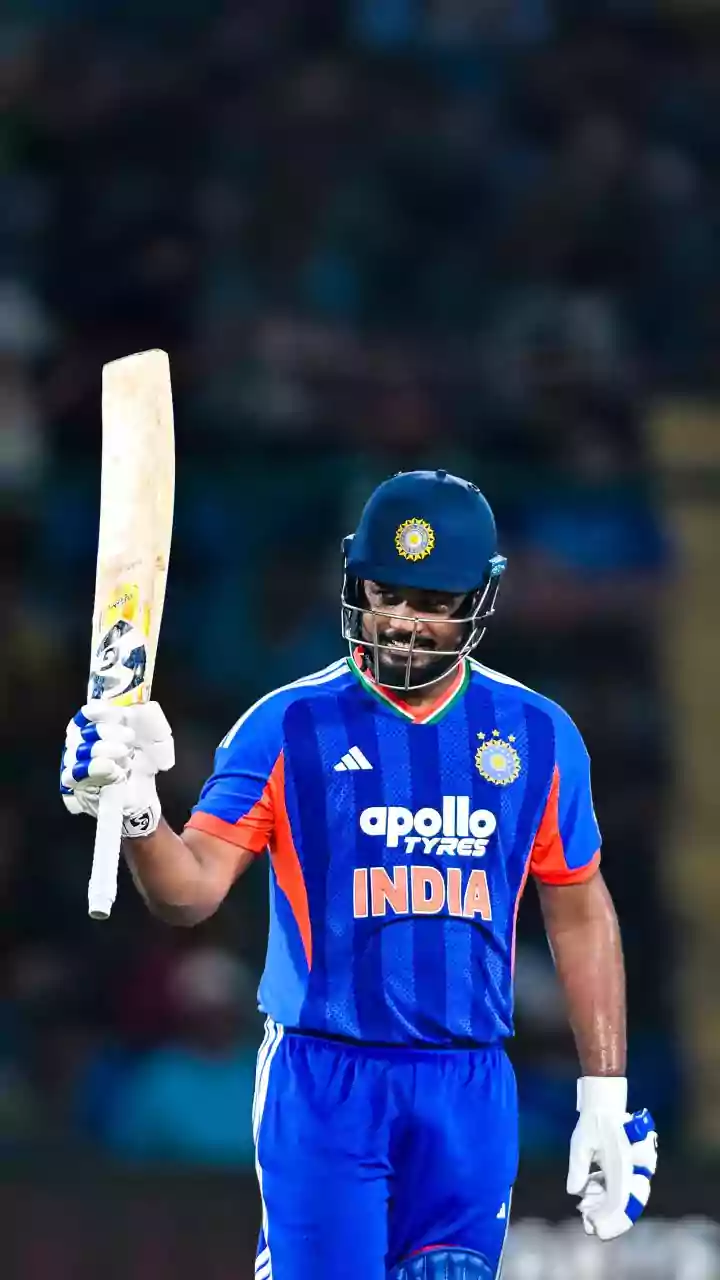
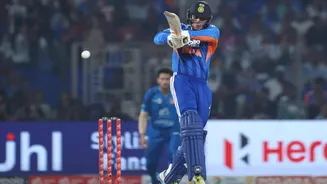
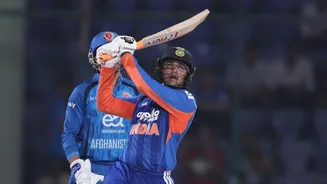
On September 17, 2026, Abhishek Sharma didn't just score a century; he redefined T20I batting for India. Reaching his hundred off a mere 30 balls, he shattered Rohit Sharma's previous Indian record of 35 balls. His final tally was a breathtaking 108 from
just 34 deliveries, an innings studded with nine fours and a staggering 11 sixes. This wasn't just the fastest T20I hundred by an Indian, but the fastest by any player from a Test-playing nation. The assault was so relentless that India registered its highest-ever powerplay score, crossing 100 runs within the first six overs, with Abhishek himself contributing 76 of those. This knock wasn't an anomaly but the culmination of a meteoric rise, confirming his status as one of the most feared openers in world cricket.
The Modern Pantheon of Power Hitters
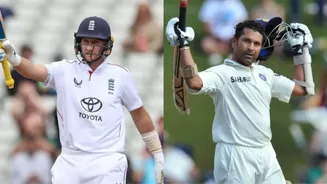
To understand Abhishek's place, we must look at the established titans of T20 power-hitting. This is a club defined by strike rate, boundary-hitting frequency, and the ability to win matches single-handedly. Suryakumar Yadav, with his audacious 360-degree gameplay and four T20I centuries, has been India's benchmark for innovation and aggression. His career strike rate hovers around an elite 167, a testament to his consistent destruction of bowling attacks. Then there is South Africa's Heinrich Klaasen, a player renowned for his brutal dismantling of spin bowling. Since 2022, his numbers against spinners in franchise T20 cricket have been otherworldly, combining a high average with a strike rate approaching 200. Others in this elite group include Australia's Glenn Maxwell, whose versatility and power are legendary, and a host of West Indian sluggers who have long defined the format.
Abhishek vs. The Field: A Statistical Showdown
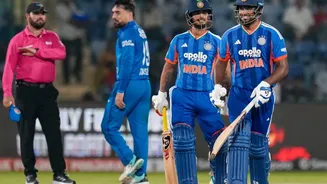
So, how do Abhishek's numbers stack up? His career T20I strike rate is already among the world's best, consistently sitting above 190. This is significantly higher than many established power hitters. His Afghanistan hundred came at a strike rate of 317.64. While one innings isn't everything, it's indicative of a ceiling that few can match. In the 2026 T20 World Cup, he bounced back from a poor start to hit a crucial 21-ball 52 in the final. What truly sets him apart is his six-hitting ability. He recently became the first Indian to hit 10 or more sixes in a T20I innings on multiple occasions. While Suryakumar Yadav is the master of finding gaps and hitting innovative boundaries, Abhishek's game is built on overwhelming power and clearing the ropes, a more traditional but equally devastating approach to power-hitting.
The Verdict: A New Challenger for the Crown
Comparing Abhishek to the modern greats is no longer a hypothetical exercise. While players like Suryakumar Yadav and Heinrich Klaasen have a larger body of work at the international level, Abhishek's peak performances are arguably more explosive. His record-breaking 30-ball century is faster than any hundred scored by his contemporaries from major nations. It's the third-fastest overall in men's T20I history, only behind players from associate nations. He doesn't just score quickly; he scores with a volume of boundaries that can take the game away from the opposition in a handful of overs. He may not have the 360-degree range of Suryakumar or the specific spin-hitting dominance of Klaasen, but his sheer force and ability to destroy pace and spin alike put him right at the top of the conversation. He is not just knocking on the door of the elite; he is breaking it down with a sledgehammer.