



The Perseid Meteor Shower Fades Out
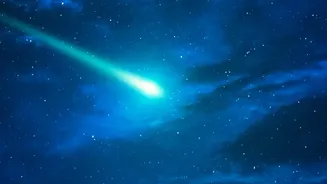
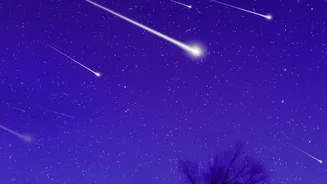
The famous Perseid meteor shower was the star of mid-August, peaking on the night of August 12-13. Caused by debris from Comet Swift-Tuttle, this shower delivered a fantastic display with up to 100 meteors per hour under dark skies, aided by a new moon
that kept conditions ideal. If you missed the peak, don't worry entirely. The shower remains active until around August 24, so you can still catch a few stray “shooting stars” in the late hours of the night. Look towards the constellation Perseus, but the meteors can appear anywhere in the sky. While the main show is over, patient stargazers may still be rewarded with a few bright streaks of light.
A Quieter Shower: The Kappa Cygnids
While the Perseids grab the headlines, another, more subtle meteor shower is also active this month. The Kappa Cygnids are visible from August 3 to August 28, with a gentle peak around August 17-18. This is a minor shower, producing only about three meteors per hour. However, what it lacks in numbers, it makes up for in style. Kappa Cygnid meteors are known for being exceptionally slow-moving and can sometimes produce bright fireballs. Since its peak has just passed and the moon is not too bright, you still have a good chance to spot one of these slow, graceful meteors in the last half of the month. Look toward the constellation Cygnus, the Swan, high in the sky.
Spot the Bright Planets: Venus and Saturn
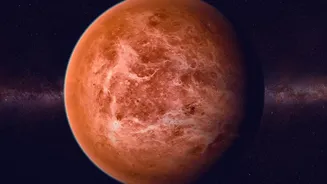
August is an excellent month for planet spotting. Venus has been a brilliant “Evening Star” throughout the month, shining brightly in the western sky just after sunset. It will be hard to miss its dazzling light. Meanwhile, Saturn is becoming more prominent in the night sky. You can spot the ringed planet rising in the east as the evening progresses, visible for much of the night. While you won’t see its famous rings without a telescope, it will appear as a steady, yellowish point of light. On August 21, Venus and Saturn are in opposition, an astrological event marking a time of seriousness in relationships and finances, though this doesn't change how they appear visually to the naked eye.
Discover the Summer Triangle
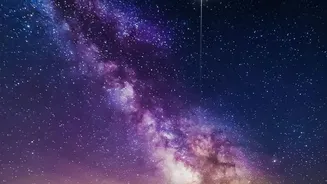
One of the most recognizable star patterns of the season is the Summer Triangle. This is not a constellation but an asterism, a prominent group of stars. It’s formed by three of the brightest stars in the sky: Vega (in the constellation Lyra), Deneb (in Cygnus), and Altair (in Aquila). High overhead during August evenings, this giant triangle is easy to spot even in areas with some light pollution. It serves as a great celestial landmark. Once you find it, you can use it to navigate your way to other constellations and sights. For example, the faint, beautiful band of the Milky Way runs right through the Summer Triangle, a stunning sight if you are in a truly dark location away from city lights.
Look for the Full Sturgeon Moon
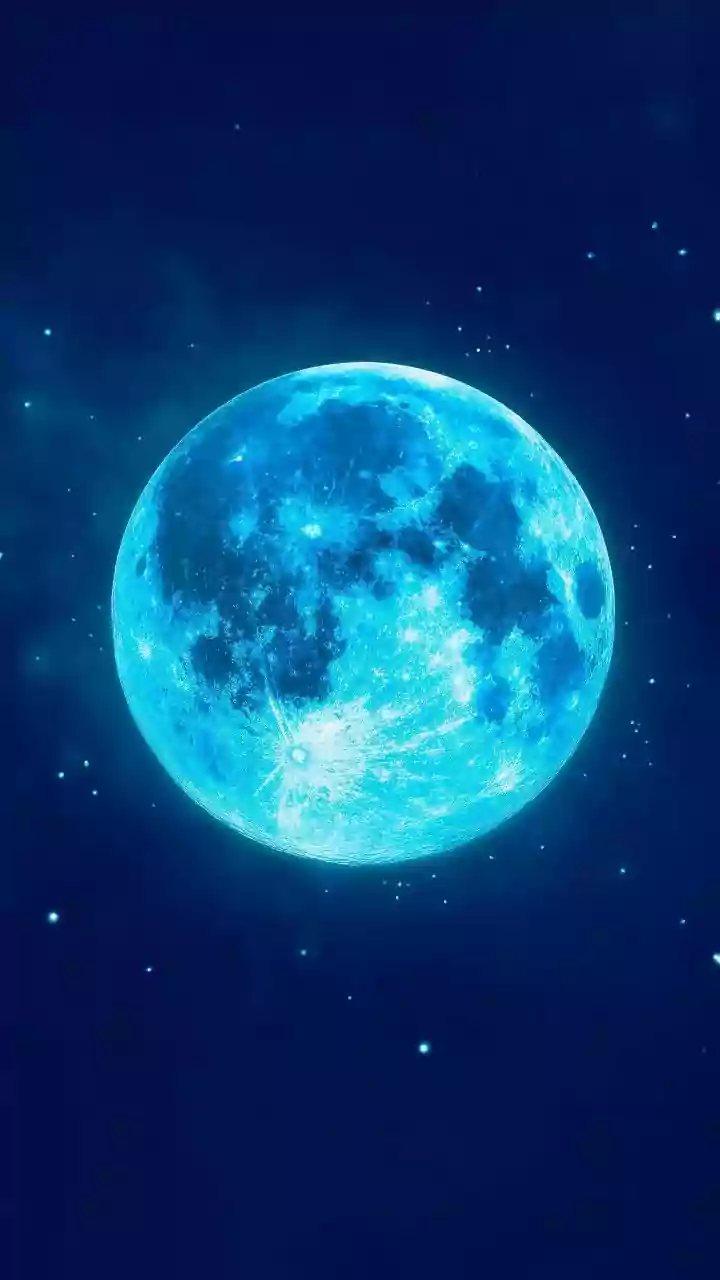
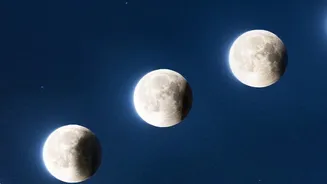
The month will close with a bright full moon on August 28. This full moon is traditionally known by Native American tribes as the Sturgeon Moon, because the large fish were more easily caught during this time of year in North America. Other names include the Green Corn Moon and the Grain Moon. While a full moon’s brightness washes out fainter stars and makes meteor spotting difficult, its own brilliant glow is a beautiful sight. On the same night, a partial lunar eclipse will occur, but it will unfortunately not be visible from India. Skywatchers in the Americas, Europe, and Africa will see part of the Moon pass through Earth's shadow.