

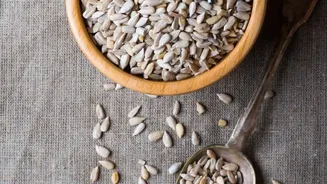
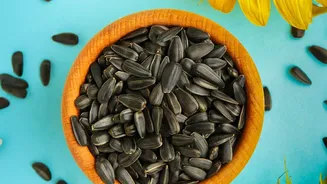
When we think of a healthy breakfast, our minds often jump to oatmeal, chia pudding, or a handful of almonds. But hiding in plain sight is a powerful, crunchy, and affordable option that deserves a spot on your morning menu: sunflower seeds.
A Nutritional Powerhouse in a Tiny Shell
Don't let
their small size fool you; sunflower seeds are packed with an impressive array of nutrients. They are an excellent source of vitamin E, a potent antioxidant that helps protect your body's cells from damage. In fact, just a quarter-cup serving can provide a significant portion of your daily vitamin E needs. These seeds are also rich in healthy fats, primarily polyunsaturated and monounsaturated fats, which are crucial for heart health. Beyond that, they deliver essential minerals like magnesium, which plays a role in lowering blood pressure, and selenium, an antioxidant that supports immune function and thyroid health. With a healthy dose of protein and fibre as well, sunflower seeds help keep you feeling full and energized.
Health Benefits Beyond the Crunch
Regularly incorporating sunflower seeds into your diet can offer tangible health rewards. Their combination of healthy fats, vitamin E, and plant compounds called phytosterols can help lower 'bad' LDL cholesterol levels. Studies have linked the consumption of seeds, including sunflower seeds, to lower rates of cardiovascular disease. The nutrients within them also possess anti-inflammatory properties. Research has shown that frequent seed eaters tend to have lower levels of inflammatory markers in their blood, which is significant because chronic inflammation is a risk factor for many diseases. Furthermore, the protein, fat, and fibre in sunflower seeds can help slow digestion, which may aid in stabilising blood sugar levels, making them a smart addition for sustained energy throughout the morning.
Choosing the Right Seeds for Your Meal
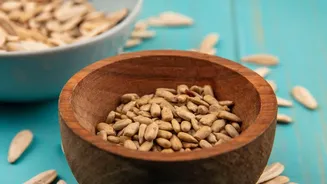
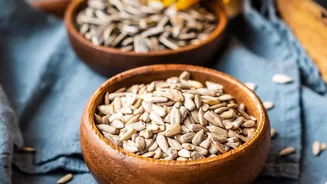
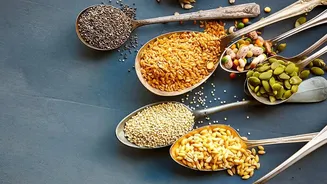
When you're shopping for sunflower seeds to add to your breakfast, you'll likely encounter a few different options. For the greatest health benefit, opt for raw or dry-roasted, unsalted kernels. Many pre-packaged roasted sunflower seeds contain high levels of sodium and added oils, which can counteract their positive health effects. Roasting them yourself at home is incredibly easy; simply spread them on a baking sheet and bake at a low temperature until they are fragrant and lightly browned. This brings out their nutty flavour without the need for excess salt or unhealthy fats, making them a perfect, wholesome addition to your morning meal.
Easy Ways to Boost Your Breakfast
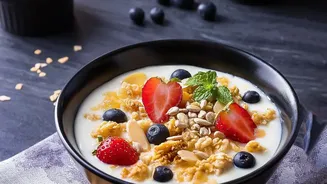
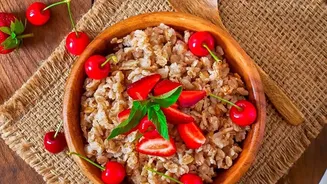
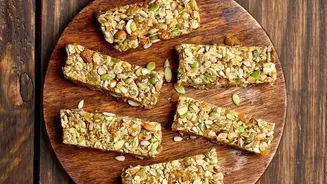
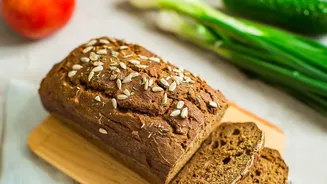
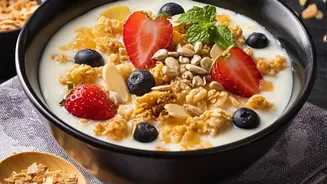
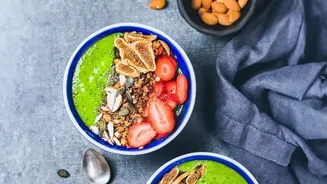
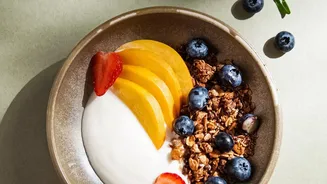
Integrating sunflower seeds into your breakfast is simple and versatile. One of the easiest methods is to just sprinkle a tablespoon or two over your favourite morning dishes. They add a satisfying crunch and nutty flavour to hot or cold cereal, a bowl of oatmeal, or a yogurt parfait. You can also blend them into smoothies for an invisible boost of protein and healthy fats. For a more substantial meal, try mixing them into pancake or muffin batter. They are a key ingredient in many homemade granola and energy bar recipes, often combined with oats, dried fruit, and other nuts. You can even get creative by toasting them with a little maple syrup for a caramelized topping for toast spread with sunflower seed butter.
A Balanced Part of Your Morning
While incredibly nutritious, it's important to remember that sunflower seeds are calorie‑dense due to their high fat content. An ounce of shelled seeds contains around 164 calories. This isn't a bad thing—these calories come from healthy, energy‑providing fats—but it does mean that portion control is key. A serving of one or two tablespoons is typically enough to reap the nutritional benefits without overdoing it. Think of them as a nutrient‑dense garnish or a complementary ingredient rather than the main event. By using them to enhance the texture and nutritional profile of other healthy breakfast staples like grains and fruits, you can easily create a balanced, satisfying, and delicious start to your day.