


The Prime Suspect: Understanding Root Rot
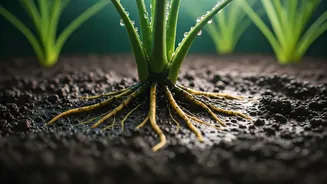
Root rot is exactly what it sounds like: the decay of a plant's roots. It occurs when soil becomes waterlogged, cutting off the oxygen supply to the roots. This oxygen-deprived, soggy environment is an ideal breeding ground for fungi and bacteria that
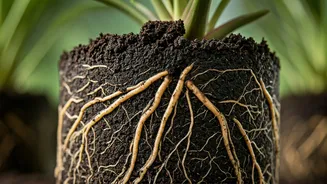
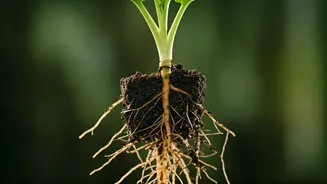
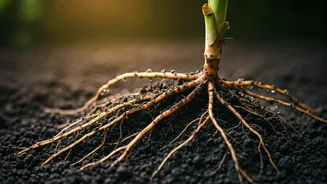
attack the root system. Healthy roots are typically firm and white or light-coloured. When rot sets in, they turn brown or black, become soft and mushy, and may even have a foul, swampy smell. Above ground, the plant may show signs like yellowing leaves, wilting even when the soil is wet, and stunted growth.
Defence Starts with the Pot
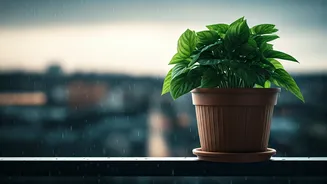
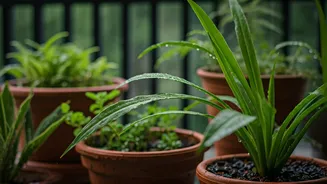
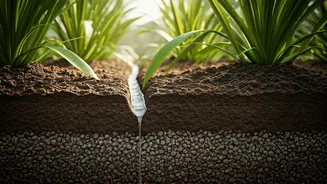
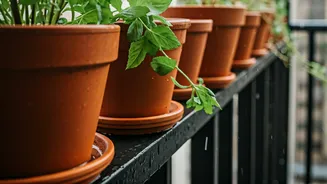
The single most important defence against root rot is proper drainage. Ensure every pot has at least one, and preferably several, drainage holes. If you love a decorative pot that lacks holes, use it as a cachepot—a decorative outer container. Place your plant in a functional nursery pot with drainage and simply slip it inside the nicer one. Remember to empty any water that collects in the cachepot's saucer after rain or watering. Elevating your pots, even by a few centimetres using bricks or 'pot feet', allows water to escape freely and prevents the drainage holes from getting blocked by the floor surface.
Crafting the Perfect Monsoon Soil
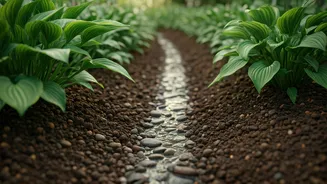
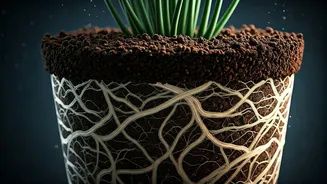
Garden soil is too heavy for containers; it compacts easily and holds too much water, especially during the monsoon. A good potting mix for the rainy season should be light and airy. You can buy a pre-made mix or create your own. A reliable recipe involves mixing regular potting soil with materials that improve aeration and drainage. Additives like perlite (white volcanic rock), coco peat, and coarse sand are excellent for this. A common mix for Indian conditions could be one part soil, one part compost (like vermicompost), and one part sand or coco peat. This blend ensures water drains through while still retaining enough moisture and nutrients for the plant.
Watering Wisely When It Rains
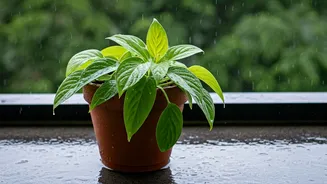
It seems counterintuitive, but you still need to monitor your plants' water needs during the monsoon. Don't assume the rain is doing all the work. Sometimes, dense foliage can act like an umbrella, preventing rainwater from reaching the soil. On the other hand, never water on a fixed schedule. The 'finger test' is your best guide: stick your finger about an inch or two into the soil. If it feels dry, it's time to water; if it's moist, wait. Overwatering is the primary cause of root rot, and during the humid monsoon, soil dries out much more slowly.
Strategic Placement and Plant Health
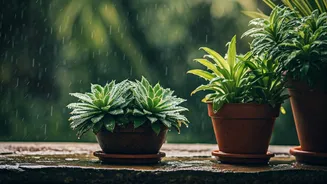
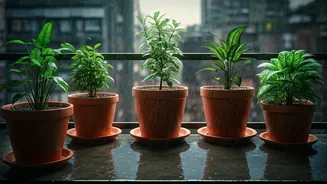
Where you place your plants matters. Grouping them too closely can restrict airflow, which keeps foliage damp and encourages fungal diseases. Give them some space to breathe. If possible, move more delicate plants to a spot with some overhead cover to protect them from the full force of heavy downpours. Regular pruning is also crucial during this season. Trim away dead or yellowing leaves and any overcrowded branches. This not only improves air circulation but also directs the plant's energy towards healthy new growth. Also, keep an eye out for pests like snails and slugs, which thrive in damp conditions.
Emergency Measures for Rotted Roots
If you suspect root rot, you must act fast. Gently remove the plant from its pot and examine the roots. If they are brown, mushy, and smelly, root rot is the culprit. Using a clean pair of scissors, carefully trim away all the affected roots until you see only healthy, firm, white tissue. Discard the old soil, as it may contain harmful pathogens. It's best to wash the pot with soap and water before repotting the plant in a fresh, well-draining soil mix. After this major surgery, the plant will be in shock, so be patient and water it sparingly until it shows signs of recovery.