







The Nutritional Showdown
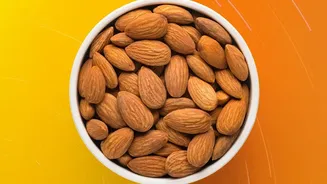
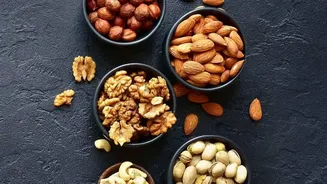
When it comes to nutrition, these snacks serve different purposes. Nuts, like almonds and walnuts, are nutrient-dense. A 100g serving of almonds contains around 580 calories, 21g of protein, and 50g of healthy fats. They are excellent for sustained energy
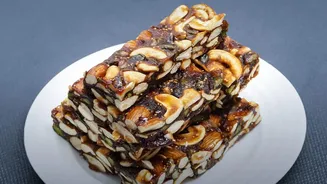
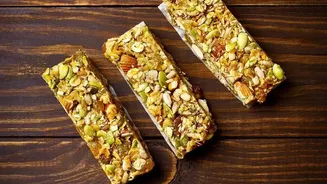
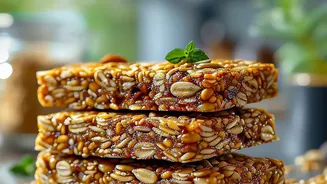
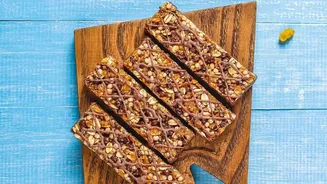
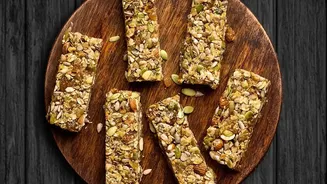
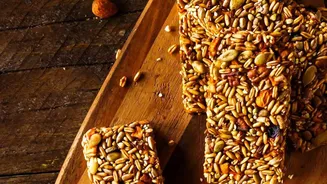
and keeping you full. In contrast, 100g of roasted makhana (fox nuts) has about 350 calories, 9-10g of protein, and almost no fat, making it a much lighter option. Snack bars are a mixed bag. A protein bar might offer 20-30g of protein per 100g, but often comes with 300-400 calories and a long list of other ingredients. Granola and energy bars can be high in carbohydrates, making them suitable for a quick energy boost before a workout.
The Micronutrient Advantage
Beyond the basic macros, each snack brings unique micronutrients to the table. Nuts are powerhouses of minerals and vitamins. Almonds are rich in Vitamin E and magnesium, while walnuts are a great source of plant-based omega-3 fatty acids. Cashews offer a good dose of copper, iron, and zinc. Makhana stands out for its high calcium, magnesium, and potassium content. Its antioxidant properties, from compounds like kaempferol, help combat inflammation. Snack bars' micronutrient profiles vary wildly depending on their ingredients. Bars made with whole grains, nuts, and seeds will naturally contain more vitamins and minerals, but it's always important to check the label for fortified nutrients versus naturally occurring ones.
The Hidden Sugar Problem
This is where the whole-food snacks pull ahead. Nuts and plain makhana contain no added sugar. Their low glycemic index means they don't cause sharp spikes in blood sugar, making them great choices for steady energy. Snack bars, however, are often a different story. Many so-called "healthy" bars are loaded with hidden sugars like glucose syrup, honey, or fruit juice concentrates. It's not uncommon for a single energy or granola bar to contain as much sugar as a small chocolate bar. Food companies often use multiple types of sweeteners to disguise the total sugar content on the ingredient list. Always read the label carefully and look for bars with less than 5g of sugar.
The Convenience Factor
In our fast-paced lives, convenience is key. Snack bars are the clear winner here. They are pre-packaged, portion-controlled, and easy to eat on the go without any mess. This makes them a practical choice for post-gym fuel or a quick bite during a busy workday. Nuts are also highly portable, though portion control can be a challenge. It's easy to overeat calorie-dense nuts from an open jar. Makhana is light and easy to carry, but its volume means it takes up more space. It's an excellent mess-free option for office snacking or while travelling.
Making the Right Choice For You
The 'best' snack truly depends on your goal. For weight management or low-calorie munching, makhana is a top choice due to its high volume and low-fat profile. If you need sustained energy, appetite suppression, or a post-workout recovery snack, the protein and healthy fats in nuts are ideal, provided you stick to a small handful. Snack bars are best reserved for specific situations, like a quick protein hit after an intense workout or an immediate energy source during a long hike. When choosing a bar, opt for one with high protein, low sugar, and a short ingredient list. For everyday, guilt-free snacking, minimally processed options like roasted makhana or a measured portion of nuts are generally superior choices.