




It’s More Than Just a Potted Plant
This movement, often called biophilic design, goes far beyond placing a lonely succulent on a windowsill. It’s a design philosophy rooted in our innate human need to connect with nature for our well-being. After years of chasing glossy, minimalist perfection,
homeowners and designers are rediscovering the profound comfort of natural textures, patterns, and light. It's a response to screen fatigue and concrete jungles, a conscious choice to create homes that heal and restore rather than simply impress. This isn't just a trend; it's a shift in priorities towards mental and physical wellness, right where we spend most of our time.
Embracing Earthy, Imperfect Materials
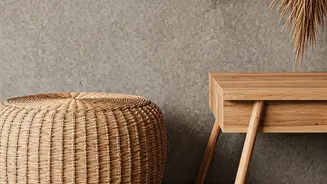
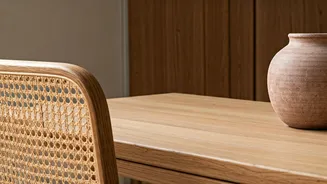
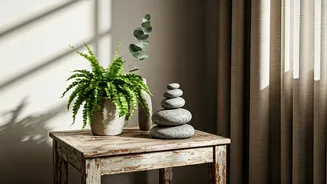
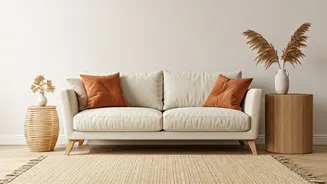
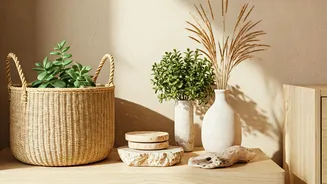
The sleek, imported marble and high-gloss laminates are making way for materials with soul and texture. Think furniture made from untreated teak, mango wood, or bamboo. Wicker, cane, and rattan are no longer confined to the patio, appearing in everything from statement chairs and headboards to lighting fixtures. Handwoven jute rugs, terracotta tiles, and unpolished kota stone floors provide a tactile connection to the earth. The beauty lies in their imperfection—the natural grain of wood, the slight unevenness of a handmade tile. These materials tell a story and bring a warmth that mass-produced items cannot replicate.
The Green Invasion Is Real
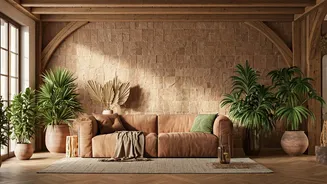
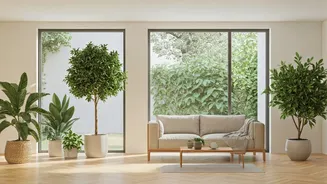
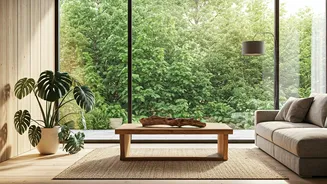
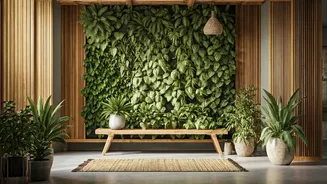
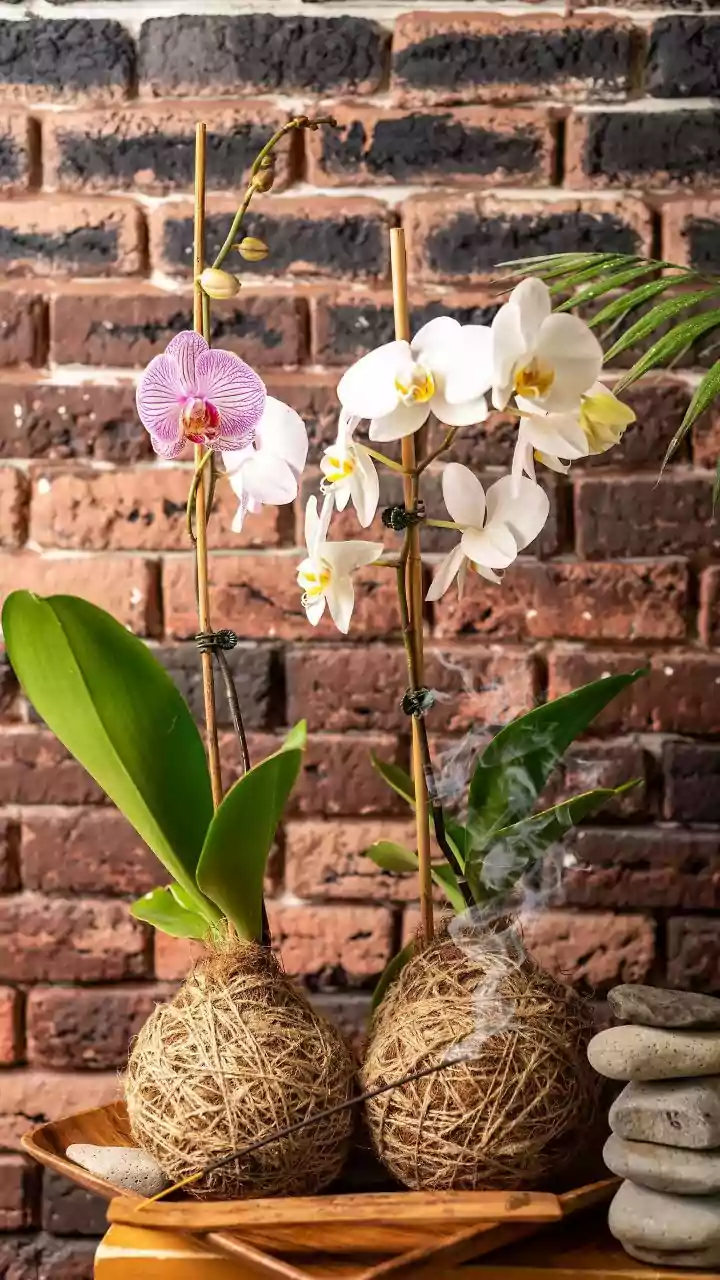
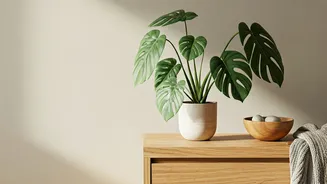
The houseplant boom is perhaps the most visible aspect of this trend. Balconies, once used for storage, are being transformed into lush green escapes. Inside, living rooms are filled with fiddle-leaf figs, monsteras, and snake plants. But it’s evolving beyond individual pots. We’re seeing entire 'green walls' or vertical gardens that act as living art installations, purifying the air and creating a dramatic focal point. Kitchens now feature herb gardens, bringing fresh flavours right to the countertop. This living greenery softens hard architectural lines and provides a constant, calming reminder of the natural world.
A Palette Pulled from the Indian Landscape
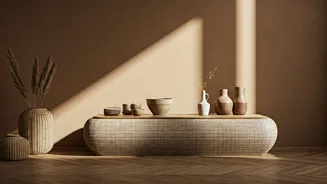
The colour palette is shifting away from stark whites and greys towards shades that feel grounded and soothing. Walls are being painted in muted, earthy tones: the soft beige of river sand, the deep warmth of terracotta, calming olive greens, and rich ochre yellows. These colours provide a natural backdrop that complements wooden furniture and green foliage perfectly. They absorb light differently than clinical whites, creating a softer, more inviting ambience throughout the day. This natural palette helps blur the line between indoors and outdoors, making the entire home feel like a cohesive, tranquil retreat.
Reviving Architectural Wisdom
Architects are also looking back to traditional Indian design principles for modern homes. The concept of the central courtyard (aangan) is being reimagined to create a private green space that floods the home with natural light and facilitates cross-ventilation. Large windows, verandas, and skylights are being prioritised to maximise daylight and create visual connections with the outdoors. Elements like jaali screens are making a comeback, not just for their aesthetic appeal, but for their functional ability to filter harsh sunlight while allowing breezes to pass through, reducing the reliance on air conditioning and creating beautiful patterns of light and shadow.