


Every December, the hills of Nagaland come alive with a stunning display of culture, music, and tradition. The Hornbill Festival is back for its 27th edition, offering a vibrant window into the soul of the Naga people. Here's your guide.
What is the Hornbill Festival?
Often called the
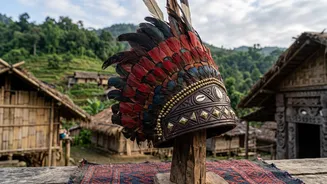
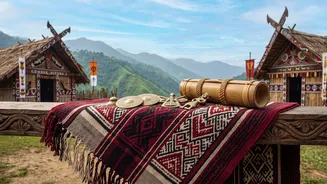
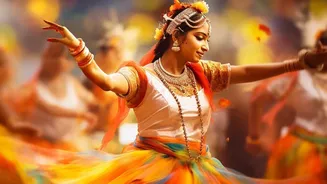
'Festival of Festivals', the Hornbill Festival is a grand, ten-day celebration of Nagaland's rich cultural heritage. It runs annually from December 1st to 10th, with the inaugural day coinciding with Nagaland Statehood Day. Established by the state government in 2000, the festival's primary aim was to foster inter-tribal unity and preserve the unique traditions of the Naga people for the world to see. It is named after the great Indian hornbill, a bird revered in Naga folklore as a symbol of courage and splendour. The festival brings all the major tribes of Nagaland together in one place to showcase their distinct customs, dances, music, food, and crafts.
The Venue: Kisama Heritage Village
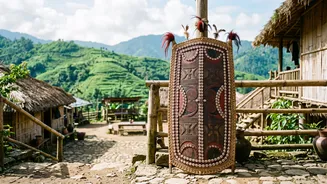
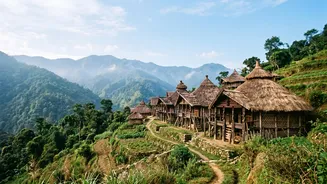
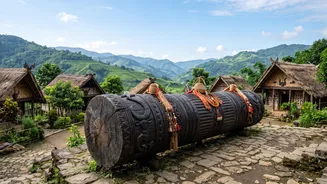
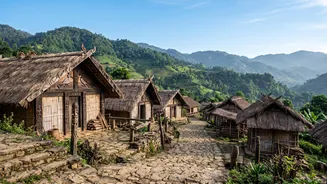
The heart of the celebration is the Naga Heritage Village at Kisama, located about 12 kilometres from the state capital, Kohima. This purpose-built venue is designed to give visitors an immersive cultural experience. A key feature is the collection of 'morungs', or traditional youth dormitories, with each of Nagaland's tribes building and inhabiting a replica of their own architectural style. Visitors can walk from one morung to another, interacting with the tribes, observing their customs, and even sampling traditional foods and rice beer prepared right there. This unique setup transforms Kisama into a living museum and a bustling cultural playground for ten days.
What to Expect at the 27th Edition
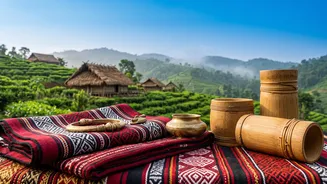
The 2026 festival promises a packed schedule of cultural performances, indigenous sports, and artistic showcases. Mornings and afternoons are typically dedicated to colourful traditional performances in the main arena, where different tribes present their folk songs and war dances. Beyond the main stage, you can explore exhibitions of handlooms and handicrafts, flower shows, and food stalls offering authentic Naga cuisine. For the adventurous, there are indigenous games, Naga wrestling competitions, and the famous Naga King Chilli eating contest. Evenings often transition to modern entertainment, with the Hornbill Music Festival featuring rock contests and concerts.
Planning Your Trip: Travel and Permits
Getting to the festival requires some planning. The nearest airport and major railway station are in Dimapur, which is about 70 kilometres from Kohima. From Dimapur, it's a 2–3 hour drive to Kohima by taxi or shared vehicle. It's crucial for Indian tourists from outside Nagaland to obtain an Inner Line Permit (ILP). This can be applied for online at ilp.nagaland.gov.in or offline at Nagaland House offices in major cities like Delhi, Kolkata, and Guwahati. The process requires a photo ID and passport–sized photographs. Foreign tourists, except for citizens of a few specific countries, do not need a special permit but must register at the local Foreigner's Registration Office (FRO) within 24 hours of arrival.
Accommodation and Practical Tips
Kohima is the main hub for accommodation, with a range of hotels and homestays. However, due to the festival's popularity, it's essential to book well in advance, as options fill up months ahead. For a more rustic experience, camping near Kisama is also a popular and budget-'friendly' choice. To make the most of your visit, arrive at the festival grounds early to avoid the heavy traffic between Kohima and Kisama. While two to three days are enough to see the main highlights, a longer stay allows you to explore nearby attractions like the Khonoma Green Village or the poignant Kohima War Cemetery.