


The 30-Second Chair Challenge Explained
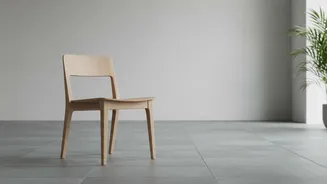
The viral trend is a simplified version of the 30-Second Chair Stand Test, a legitimate tool used by clinicians to assess lower-body strength and endurance. To do it, you sit in the middle of a stable chair, cross your arms over your chest, keep your feet
flat on the floor, and stand up completely, then sit back down. The goal is to complete as many repetitions as you can in 30 seconds. Originally developed for older adults, it’s a reliable indicator of functional fitness, which is your ability to handle everyday activities. A low score can indicate a higher risk of falls and decreased mobility, highlighting the importance of leg strength for maintaining independence.
Beyond the Trend: What is Functional Fitness?
The chair test’s popularity speaks to a growing interest in fitness that translates to real-world capability, not just athletic performance. Functional fitness is about having the strength, balance, and mobility to move through your day with ease—carrying groceries, playing with children, or getting out of a low chair without a struggle. It’s a measure of how well your body serves you in daily life. Unlike metrics focused on aesthetics or lifting heavy weights, these assessments provide a snapshot of your health and longevity. They help identify weaknesses before they become limitations, allowing you to build a body that’s resilient for the long haul.
Test Your Balance: The Single-Leg Stance
Balance is a critical component of fitness that often gets overlooked until it’s a problem. The single-leg stance test is a simple way to check in. To perform it, stand upright and lift one foot off the ground without letting your legs touch. Try to hold this position with your hands on your hips. Research suggests that being unable to hold the pose for at least ten seconds is linked with a higher risk of falls and can be an indicator of overall health. This simple test engages your neurological and musculoskeletal systems, which are vital for stability. You can incorporate practice into daily activities, like standing on one leg while brushing your teeth, to steadily improve.
Assess Mobility: The Sitting-Rising Test (SRT)
Another powerful at-home assessment is the Sitting-Rising Test, or SRT. The goal is to sit down on the floor and then stand back up using as little support as possible. The test is scored out of 10 points—five for sitting and five for rising. You subtract one point for each time you use a hand, knee, or forearm for support, and half a point if you lose your balance. Studies have shown a strong correlation between SRT scores and longevity, with lower scores being linked to a higher mortality risk from all causes, including cardiovascular ones. The SRT is a comprehensive measure of flexibility, balance, and muscle strength.
Measure Your Pace: The Gait Speed Test
How fast you walk can be a surprisingly powerful predictor of your overall health and longevity. Often called the “sixth vital sign” by researchers, gait speed reflects the health of your cardiovascular, nervous, and muscular systems. To test it, measure a set distance, like 20 meters, and time how long it takes you to walk it at your normal, comfortable pace. Studies have found that a walking speed of around 0.8 meters per second is associated with an average life expectancy for one's age and gender, while a speed of 1.0 m/s or faster is linked to longer-than-average survival. A slower gait may indicate underlying health issues and an increased risk of poor outcomes.