



A Timeline in Flux
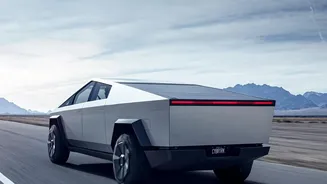
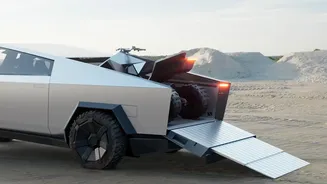
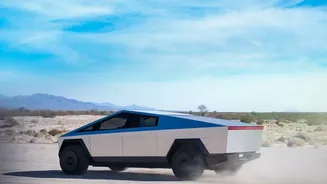
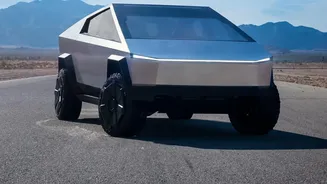
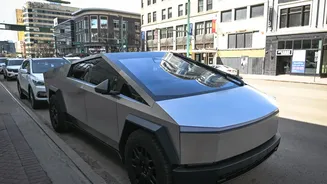
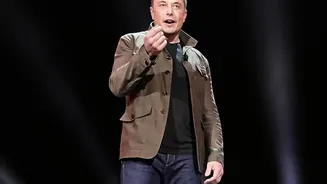
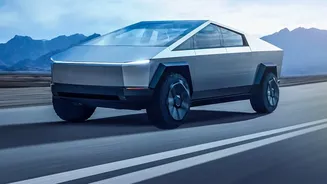
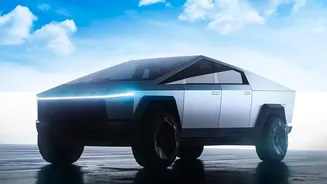
The Cybertruck's production schedule has seen a flurry of updates. On November 6, 2026, Elon Musk first announced that Tesla would wind down production of the truck at its Gigafactory in Texas around mid-2027. The stated goal was to free up manufacturing
capacity for the company's futuristic, two-seat autonomous vehicle, the Cybercab. Just days later, however, Musk revised the timeline, stating on November 11 that production would now continue through the end of summer 2027. This extension provides approximately two to three additional months of manufacturing time. Musk cited the need to 'work through more of the Cybertruck order backlog' as the reason for the extension.
The Backlog and Buyer Dilemma
The decision to extend production appears directly linked to the massive number of reservations Tesla has for the truck. Earlier in the week, Musk acknowledged that the order rate 'far exceeds' Tesla's production capabilities and that the company would have to return deposits to many potential buyers. While the extension offers a longer runway to fulfill more of these orders, it does not guarantee that every person with a reservation will receive a vehicle. To maximise output, Tesla is reportedly adding an extra production shift. Compounding the situation for some buyers, Tesla has simplified its offerings, with only the top-tier 'Cyberbeast' model, priced at $109,990, currently available for new orders.
A Troubled Production History
The Cybertruck's journey from its 2019 unveiling to customer driveways has been rocky. Deliveries, which were originally planned for 2021, only began in late 2023 after significant delays. Since its launch, the vehicle has been plagued by a series of quality issues and recalls. According to reports citing National Highway Traffic Safety Administration records, the Cybertruck has faced 11 recalls. These have involved issues ranging from accelerator pedals that could get trapped to stainless-steel exterior panels that could detach while driving. Sales have also fallen well short of Musk's initial projection of 250,000 units annually, with sales declining significantly from 2024 to 2025.
The Pivot to Cybercab
Despite the extension, the ultimate fate of the Cybertruck's production line remains the same: it will be repurposed for the Cybercab. This move underscores Tesla's strategic shift away from traditional vehicle manufacturing and toward a future based on autonomous mobility and transportation-as-a service. Musk has pinned Tesla's future growth on robotics and artificial intelligence, with the Cybercab and the Optimus humanoid robot being central to that vision. The decision to wind down the Cybertruck, even with its cult following, shows a clear prioritisation of resources toward what the company sees as its next major growth engine. Musk himself seemed to acknowledge the emotional aspect of the decision, noting that extending production wasn't the 'smartest move from a profit‐maximizing standpoint' but that there 'must be some room in this world for sentimentality'.