

The Foundation: Prepping Millets Correctly
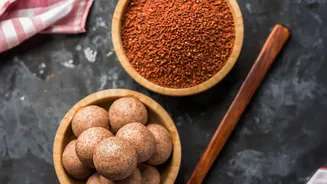
The secret to great millet dishes begins before the cooking starts. Rinsing is non-negotiable; it removes dust and any lingering bitterness. Soaking is the next crucial step. A 30-minute to one-hour soak is often enough to soften the grains, reduce cooking time,
and remove phytic acid, which can hinder nutrient absorption. For some dishes, especially pulao, toasting the drained millet in a dry pan for a few minutes can enhance its nutty flavour and help keep the grains separate after cooking. When in doubt, a short soak of at least 30 minutes is a good rule of thumb for most common preparations.
For a Fluffy, Non-Sticky Upma
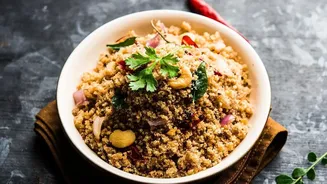
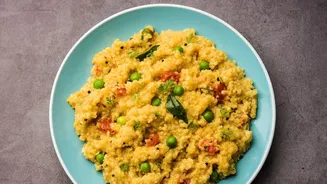
The goal for millet upma is a texture similar to traditional sooji upma: soft and fluffy, but with separate grains, not a sticky lump. The key lies in the water ratio and cooking method. Foxtail millet, barnyard millet, and little millet are excellent choices here. After sautéing your onions, vegetables, and spices, dry roast the rinsed and drained millet for a couple of minutes in the pan. This step is critical as it helps prevent clumping. Then, add the hot water. A general starting ratio is 1 part millet to 2 or 2.5 parts water. Bring the water to a boil, then add the millet, stirring once. Reduce the heat to low, cover the pan, and let it simmer without stirring for 8-12 minutes, or until the water is absorbed. Let it rest, covered, for another 5-10 minutes off the heat. Finally, fluff gently with a fork before serving.
For a Creamy, Comforting Khichdi
A good khichdi is creamy and soft, but not a uniform paste. The grains should be tender and broken down, but still discernible. Little millet and kodo millet work well because they break down easily. A combination of dals, like moong and chana dal, can also contribute to a creamier texture. The water ratio here is higher than for upma or pulao, typically starting at 1 part millet-dal mix to 4 parts water. If you prefer a thicker, porridge-like consistency, you can go up to 5 or 6 parts water. Soaking the millet and dal together for at least 30 minutes is highly recommended. After the initial tempering, add the soaked grains and water to a pressure cooker. Cook for 2-3 whistles on a medium flame and, crucially, allow the pressure to release naturally. This slow, residual heat cooking is what creates the perfect creamy consistency without turning it to mush. If the khichdi is too thick after opening, you can stir in some hot water to loosen it.
For a Restaurant-Style Pulao
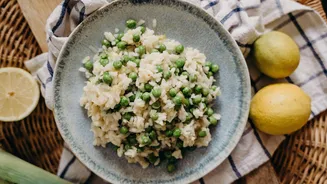
For pulao, the aim is for each grain of millet to be perfectly cooked, separate, and fluffy, much like a well-made rice pulao. Foxtail and kodo millets are excellent choices as they tend to hold their shape well. The preparation is key. After soaking for 30-45 minutes, ensure the millet is drained completely. Sauté your whole spices, onions, and vegetables in ghee or oil. Some recipes suggest sautéing the drained millet with the vegetables for a minute or two before adding water, which further helps in keeping the grains separate. The water ratio is strict: a 1:2 ratio of millet to hot water is ideal for cooking in a pressure cooker, while a 1:2.5 ratio can work for an open pan. For the pressure cooker method, cook for 2 whistles on a low to medium flame. For the open pan method, bring to a boil, then cover and simmer on low until all water is absorbed. Do not stir frequently as this releases starch and causes stickiness. Once cooked, let the pulao rest, covered, for 10 minutes before fluffling with a fork.