






The Spiritual Blueprint of Vrat
The fasting observed during Navratri, known as 'vrat', is a spiritual discipline intended to purify the body and mind. It follows the principles of a 'satvik' diet, which emphasizes pure, natural, and light foods that are easy to digest and promote mental
clarity. The tradition is rooted in the idea of giving the digestive system a rest and aligning the body's energy with the seasonal change that often coincides with the festival. This means that certain food groups are temporarily set aside, creating a specific framework that chefs and home cooks work within. The focus shifts from everyday meals to a more mindful way of eating that is both nourishing and spiritually significant.
A Different Kind of Pantry
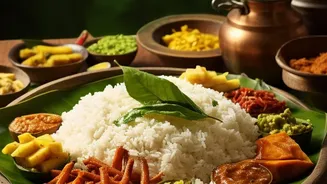
During Navratri, the kitchen pantry undergoes a transformation. Regular grains like wheat and rice are avoided, as are lentils, onions, garlic, and common table salt. In their place, a fascinating array of alternative ingredients takes centre stage. Flours made from buckwheat (kuttu ka atta), water chestnut (singhare ka atta), and amaranth (rajgira) become the staples for making breads like puris and parathas. For rice-like dishes, barnyard millet (samak ke chawal) is the preferred substitute. Sabudana, or tapioca pearls, is another versatile hero of the Navratri menu. The only salt used is rock salt (sendha namak), which is considered purer. This curated list of ingredients forms the foundation of all Navratri festive cooking.
Creativity Born from Constraint
It is precisely these dietary boundaries that have fueled incredible culinary innovation. Instead of seeing the rules as a limitation, generations of cooks have used them as a creative challenge. The need to create satisfying, festive meals without common staples has led to a distinct and much-loved cuisine. Potatoes, sweet potatoes, pumpkin, and paneer become key vegetables, prepared in a variety of ways to offer different textures and tastes. Peanuts add crunch and richness to many dishes, while dairy products like yogurt and milk provide creaminess and balance. This tradition shows that creativity doesn't always come from unlimited options, but often from making the most of what you have.
The Stars of the Navratri Thali
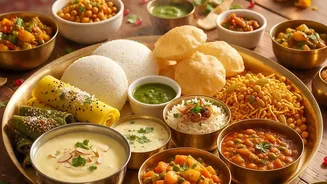
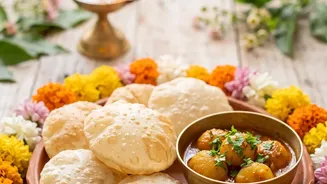
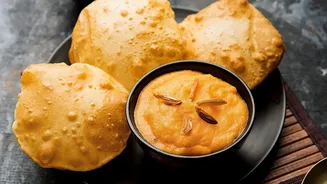
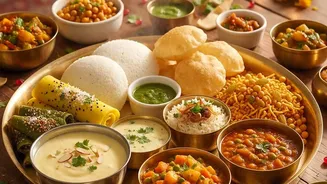
Several iconic dishes define the Navratri eating experience. Sabudana Khichdi, a savoury preparation of tapioca pearls tossed with potatoes and peanuts, is a beloved fasting staple that provides a significant energy boost. Kuttu ki Puri, a deep-fried bread made from buckwheat flour, is often paired with a simple yet flavourful potato curry (Aloo ki Sabzi) made without onion or garlic. Samak Rice Pulao offers a comforting, grain-free alternative to traditional rice dishes, often studded with vegetables and nuts. For snacks, Sabudana Vada (crispy fried tapioca patties) is a popular choice. Desserts also get a unique twist, with sweets like Makhana Kheer (fox nut pudding) and fruit-based halwas rounding out the festive meal.
A Modern Festive Feast
Today, the influence of Navratri fasting extends well beyond home kitchens. Restaurants across India embrace the festival by launching special 'vrat-friendly' menus and thalis. These menus often feature both traditional favourites and modern interpretations. Chefs are experimenting with contemporary twists, creating dishes like Sabudana Idli, Kuttu Dosas, and quinoa-based khichdis. This commercial embrace not only caters to those who are fasting but also introduces this unique culinary tradition to a wider audience. It showcases how ancient customs can adapt and thrive in the modern world, turning the nine-day fast into a celebrated gastronomic event.