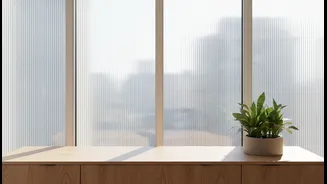





What Exactly Is Fluted Glass?
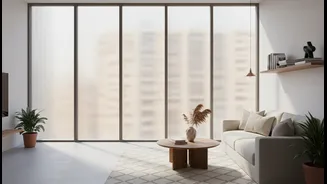
Fluted glass, also known as reeded or ribbed glass, is characterized by its surface of vertical grooves. This texture is not just decorative; it plays a crucial role in how the glass interacts with light and vision. While light can pass through, the parallel
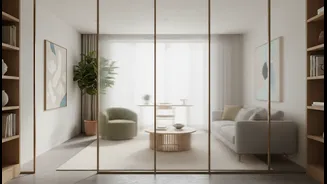
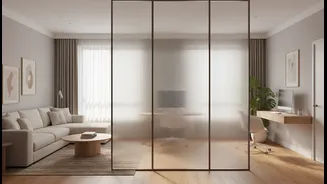
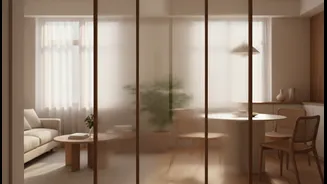
ridges distort the view, creating a sense of privacy without blocking brightness. This semi-transparency makes it a popular choice for designers looking to create separation without building solid walls, offering a clever middle ground between fully transparent and completely opaque materials.
The Magic of Light and Privacy
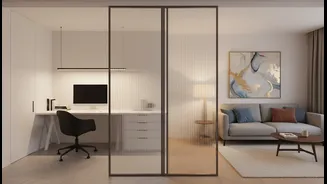
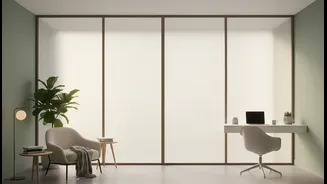
The primary appeal of fluted glass in a small apartment is its ability to solve two problems at once. It allows natural light to flow freely between spaces, which is essential for making a compact area feel larger and more open. At the same time, it offers a degree of visual privacy that clear glass cannot. Silhouettes and colours are visible, but distinct details are blurred, making it ideal for everything from a home office partition to a home office partition to a bathroom door where you want light but need discretion. The texture scatters light, reducing harsh glare and creating a softer, more ambient glow throughout the space.
Creating Zones in Compact Layouts
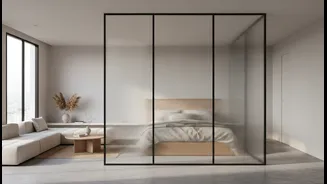
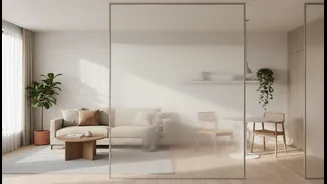
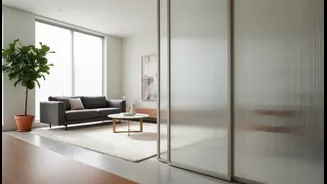
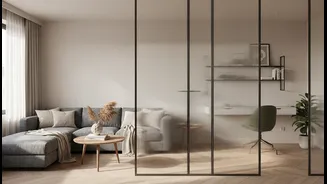
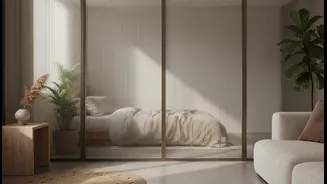
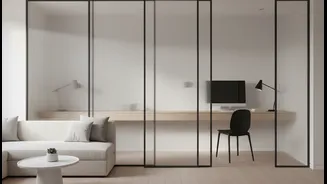
In studio apartments and open-plan homes, creating distinct zones for living, sleeping, and working is a common challenge. Fluted glass partitions or sliding doors are an elegant solution. They can delineate a space, like separating a sleeping nook from the main living area, without visually shrinking the overall footprint. The vertical lines of the glass can also create an optical illusion, drawing the eye upward and making low ceilings appear taller, further enhancing the sense of space.
Trend vs. Timeless: Avoiding Renovation Waste
A key concern for any homeowner is whether a design choice will quickly look dated, leading to wasteful and expensive renovations. Trend-led design contributes significantly to waste, as items are frequently discarded in favour of the next new thing. However, fluted glass has a historical precedent, with roots in the Art Deco and mid-century modern movements, suggesting it has timeless appeal. Unlike fleeting fads, its clean lines and functional benefits allow it to integrate into various design styles, from minimalist to classic. By choosing durable, high-quality materials with a proven track record, homeowners can invest in their space for the long term, reducing the cycle of renovation waste.
Practical Considerations Before You Commit
While fluted glass offers many benefits, there are practical points to consider. It is typically more expensive than regular clear or frosted glass due to the manufacturing process. Cleaning can also require a bit more effort, as dust and grime can settle into the grooves. Finally, while toughened fluted glass is durable and safe for use in doors and partitions, some sources note its irregular surface might make it inherently less strong than a flat pane of the same thickness. It's wise to discuss safety specifications with your supplier for applications like doors or shower screens.
Where to Use Fluted Glass
The versatility of fluted glass means it can be incorporated in numerous ways. It is highly effective for kitchen cabinet doors, where it can hide the clutter of everyday dishes while still providing a sense of depth. As a room divider, it separates spaces without sacrificing an open-plan feel. In bathrooms, it's a popular choice for shower screens, offering privacy and an elegant aesthetic. It can even be used in furniture, windows, and wardrobe doors to add a touch of sophisticated texture.