







The Annual Spectacle of Urban Deluge
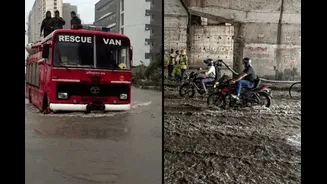
Every year, it’s the same story. As monsoon clouds gather, national news channels dispatch reporters in raincoats to familiar waterlogged underpasses in major metropolitan cities. For days, the narrative is dominated by visuals of floating cars, struggling
commuters, and officials blaming each other for choked drains. Recent heavy rainfall in Mumbai saw schools closed and alerts issued, a story that rightly received significant media attention. The focus is intense, dramatic, and almost exclusively urban. This isn't just a reporting pattern; it's a deep-seated bias that frames the entire national conversation around the monsoon. While a metro grappling with a deluge is a valid news story, its amplification above all other monsoon-related events creates a distorted picture of what rain means for India as a whole.
Why Rural Realities Remain Invisible
The media's urban bias isn't accidental; it's driven by economics and logistics. Newsrooms are concentrated in big cities, and it is cheaper and easier to cover a flooded street in Andheri than a drought-stricken district in rural Maharashtra. Commercial interests, driven by Television Rating Points (TRPs), cater to an urban middle class that advertisers covet. This has led to a steady reduction in rural correspondents and a media landscape where rural issues struggle for airtime. Studies have shown that front pages of national dailies dedicate a minuscule fraction of their space—as low as 0.67%—to rural India, where the majority of the population resides. As a result, the media often only parachutes into villages for sensational events like crimes or calamities, ignoring the sustained, systemic issues that define rural life. The complex story of agriculture, which sustains over half of India's population, is relegated to the sidelines.
The Real-World Cost of Skewed Coverage
This metro-centric focus has severe consequences. For farmers, the monsoon is not about traffic jams; it's about their very livelihood. The distribution and timing of rainfall are far more critical than the total volume. A 'normal' monsoon on paper can hide devastating dry spells in key agricultural belts, but this nuance is often lost in headline numbers. When the media fails to report on uneven rainfall, delayed sowing, or distress in farming communities, it creates a policy blind spot. Issues like plummeting reservoir levels, which pose a massive threat to the upcoming planting season, remain largely un-debated in the public sphere. This information gap means policymakers may react too late, and farmers are left without crucial information on weather patterns and government schemes, a gap often filled only by community radio or local newspapers.
A Blueprint for a True National Narrative
Resetting this coverage requires a conscious shift in journalistic priority. It means moving beyond the easy visuals of urban floods and investing in telling the complete story of the Indian monsoon. Newsrooms must rebuild their networks of rural correspondents and empower local journalists who understand regional complexities. Digital platforms offer new opportunities to bypass traditional constraints, using everything from WhatsApp to YouTube to reach rural audiences with tailored, accessible information. The goal should be to create a narrative that connects the dots: linking rainfall patterns to crop health, reservoir levels to urban water supply, and rural distress to national economic stability. It means reporting on the silent drought in one region with the same urgency as the dramatic flood in another. Solutions-based stories, highlighting innovative farming techniques or successful water management, are just as important as reporting on crises.