




Humidity: The Ultimate Flea Incubator
The secret to the monsoon's flea explosion lies in the pest's life cycle. Fleas go through four stages: egg, larva, pupa, and adult. For this cycle to accelerate, they need two things: warmth and, most importantly, high humidity. Fleas thrive when humidity is between
70% and 90%—a range that perfectly describes the Indian monsoon season. Under these damp, warm conditions, the entire flea life cycle can speed up dramatically, sometimes completing in just two to three weeks. Female fleas can lay up to 50 eggs a day. These eggs don't stay on your pet; they fall off into the environment—your carpets, bedding, and furniture. The high humidity ensures these eggs hatch into larvae, which then develop into protected pupae, waiting to emerge as hungry adults.
The Indoor Pet Myth: How Fleas Get In
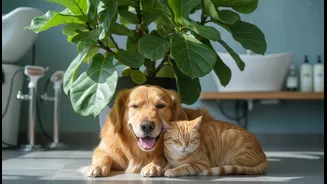
Many pet owners believe that if their cat or dog stays indoors, they are safe from fleas. Unfortunately, this is a common and risky misconception. Fleas are expert hitchhikers. They can be carried into your home on your own clothes, shoes, or bags after you've walked through a grassy area or been near another animal. If you have other pets that do go outside, they can easily act as a shuttle service for fleas, bringing them into the home where they can then jump onto your indoor pet. Even rodents or stray animals nesting near your home, in walls, or on balconies can introduce fleas and their eggs into your living space, leading to an unexpected infestation. Once inside, your home provides a stable, warm environment, and your pet becomes the ideal host.
Spotting the Signs of an Infestation
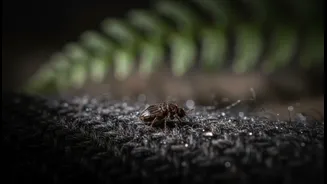
Early detection is key to preventing a small flea problem from becoming a major household crisis. The most obvious sign is your pet excessively scratching, biting, or chewing at their skin, especially around the base of their tail, neck, and thighs. You may notice red, irritated skin, small bumps, or even hair loss in these areas. Another tell-tale sign is "flea dirt," which looks like tiny black specks of pepper in your pet's fur. This is actually flea faeces (digested blood) and can be confirmed by placing some on a wet paper towel; it will turn reddish-brown. In severe cases, you might see the small, fast-moving, dark brown fleas themselves.
Your Monsoon Action Plan for Prevention
Prevention is always easier and more effective than treatment. Start by talking to your veterinarian about a year-round flea preventative. Many vets in India recommend starting or ensuring treatment is active before the monsoon begins. This can come in the form of monthly spot-on treatments, oral tablets, or collars. Crucially, never use dog products on cats, as some can be highly toxic to felines. Alongside medication, ramp up your cleaning routine. Vacuum carpets, rugs, and furniture frequently, paying special attention to areas where your pet rests. Wash your pet’s bedding, blankets, and soft toys in hot water at least once a week to kill any eggs and larvae. Regular grooming with a flea comb can also help you spot and remove adult fleas before they can lay eggs.
What to Do If You Find Fleas
If you find fleas on your pet, don't panic. The first step is to consult your veterinarian. They can confirm the infestation and recommend the safest and most effective treatment for your specific pet, considering their age, species, and health status. Treating a flea problem requires a two-pronged attack: treating your pet and treating your home. While treating your pet kills the adult fleas, about 95% of the flea population (eggs, larvae, and pupae) lives in your environment. This means a thorough cleaning of your home is non-negotiable. You'll need to continue vacuuming daily for a period and washing all bedding in hot water. Your vet might also recommend a household flea spray for carpets and furniture to break the life cycle and prevent re-infestation. Be persistent, as it can take time to completely eliminate fleas from your home.