






The Glow That Can Deceive
Exfoliation is the process of removing dead cells from the skin's surface. Done right, it reveals the fresher, brighter skin underneath, helping your serums absorb better and your makeup sit smoother. The problem arises when we get too enthusiastic. The pursuit
of that instant smooth feeling can lead us to scrub too hard or use powerful acids too often, pushing our skin past its limit. Ironically, some of the issues that exfoliation is meant to fix—like dullness and breakouts—can also be signs that you're overdoing it, creating a confusing and frustrating cycle for many.
Signs You're Over-Exfoliating Your Skin
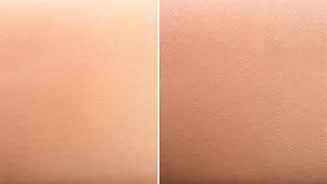
How can you tell if you've gone too far? Your skin will send clear signals. The most common signs include redness, persistent irritation, and a stinging or burning sensation when you apply other products. You might also notice your skin feels tight, dry, or looks unusually shiny in a way that seems waxy or artificial, not healthy. Paradoxically, you may also experience an increase in breakouts or small pimples. This is because you have compromised your skin’s protective barrier.
A Special Note for Indian Skin
For Indian skin, the stakes of over-exfoliation are even higher. Due to a higher melanin content, Indian skin is more prone to post-inflammatory hyperpigmentation (PIH). This means that the irritation and inflammation from over-exfoliating can trigger your pigment-producing cells to go into overdrive, leaving you with dark spots and patches that can take months to fade. The diverse climates across India, from humid to dry, also mean your skin’s tolerance can change. Aggressive exfoliation can easily lead to a damaged skin barrier, making pigmentation issues worse.
Physical vs. Chemical Exfoliation
There are two main types of exfoliants. Physical exfoliants, like scrubs with granules or brushes, manually remove dead skin. Chemical exfoliants use acids—like Alpha Hydroxy Acids (AHAs) and Beta Hydroxy Acids (BHAs)—to dissolve the bonds holding dead cells together. Dermatologists often recommend gentle chemical exfoliants, especially for sensitive or acne-prone skin, as they can be less abrasive than scrubs. AHAs like lactic acid are great for surface hydration, while BHAs like salicylic acid are excellent for getting into oily pores. For sensitive Indian skin, starting with a gentle chemical exfoliant is often the safer bet to avoid friction-induced pigmentation.
How to Exfoliate Safely
The golden rule from dermatologists is to start slow and be gentle. For most skin types, exfoliating one to two times per week is plenty. If you have oily skin, you might tolerate up to three times a week, while those with dry or sensitive skin should stick to once a week, or even less. Pay attention to how your skin feels. If you experience any stinging or redness, it's a sign to pull back. And critically, always follow up with a moisturiser and wear sunscreen daily, as freshly exfoliated skin is more vulnerable to sun damage.
Healing a Damaged Skin Barrier
If you suspect you've over-exfoliated, the first step is to stop all exfoliating products immediately—that includes scrubs, acids, and retinoids. Simplify your routine to the bare basics: a gentle, non-foaming cleanser and a thick, restorative moisturiser. Look for products with ingredients that help repair the skin barrier, such as ceramides, hyaluronic acid, niacinamide, and panthenol. Avoid anything with fragrance or alcohol. Be patient; it can take anywhere from a few days to several weeks for your skin barrier to fully recover. Once your skin feels calm and comfortable again, you can slowly reintroduce exfoliation, starting just once a week with a mild product.