

From Stacked Steel to Smart Compartments
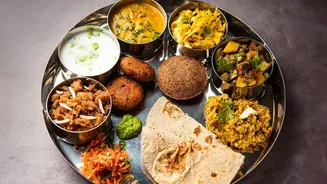
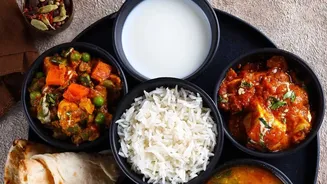
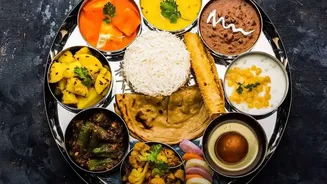
For generations, the stainless-steel dabba, or tiffin carrier, has been the undisputed champion of the Indian lunch hour. Its stacked compartments efficiently separate roti, dal, sabzi, and rice, a design perfected to transport thali-style meals. Famously
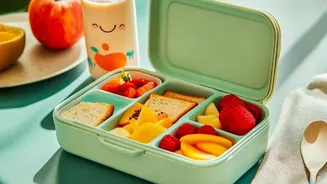
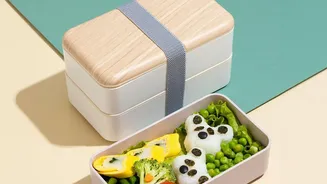
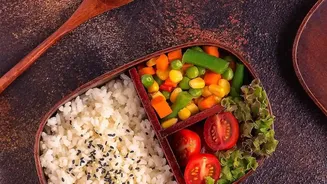
delivered by Mumbai's dabbawalas with near-perfect precision, the tiffin represents a commitment to a fresh, homemade meal even in a bustling office. But a new contender has entered the scene: the Japanese bento box. Often colourful and made of modern, lightweight materials, these boxes feature multiple fixed compartments in a single container, offering a different approach to organizing a meal.
A Perfect Match for Health and Portion Control
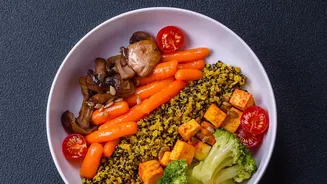
One of the biggest drivers of the bento trend is a growing consciousness around health and wellness. The very structure of a bento box encourages balanced eating and portion control. While a traditional tiffin can be packed generously, the small, distinct compartments of a bento nudge users to think visually about their meal's composition: one section for carbs like rice or quinoa, another for protein like paneer or dal, and the rest for vegetables and a small salad. This layout makes it intuitive to follow the 'plate method'—filling half your container with vegetables, a quarter with protein, and a quarter with carbohydrates—without needing to count calories.
Convenience for the Modern Indian Lifestyle
Beyond health, the bento box scores high on practicality for today's fast-paced life. Many modern bento boxes are designed to be leak-proof, microwave-safe, and easier to clean than their traditional steel counterparts. This fits seamlessly into contemporary office culture, where popping your lunch into a microwave for a quick reheat is standard practice. For parents packing lunches for school-going children, the bento's all-in-one design is less cumbersome than managing multiple small containers. The format prevents different dishes from mixing, ensuring that a crispy bhindi stays separate from a flavourful curry until the moment it's eaten.
A Lunch That’s Ready for Its Close-Up
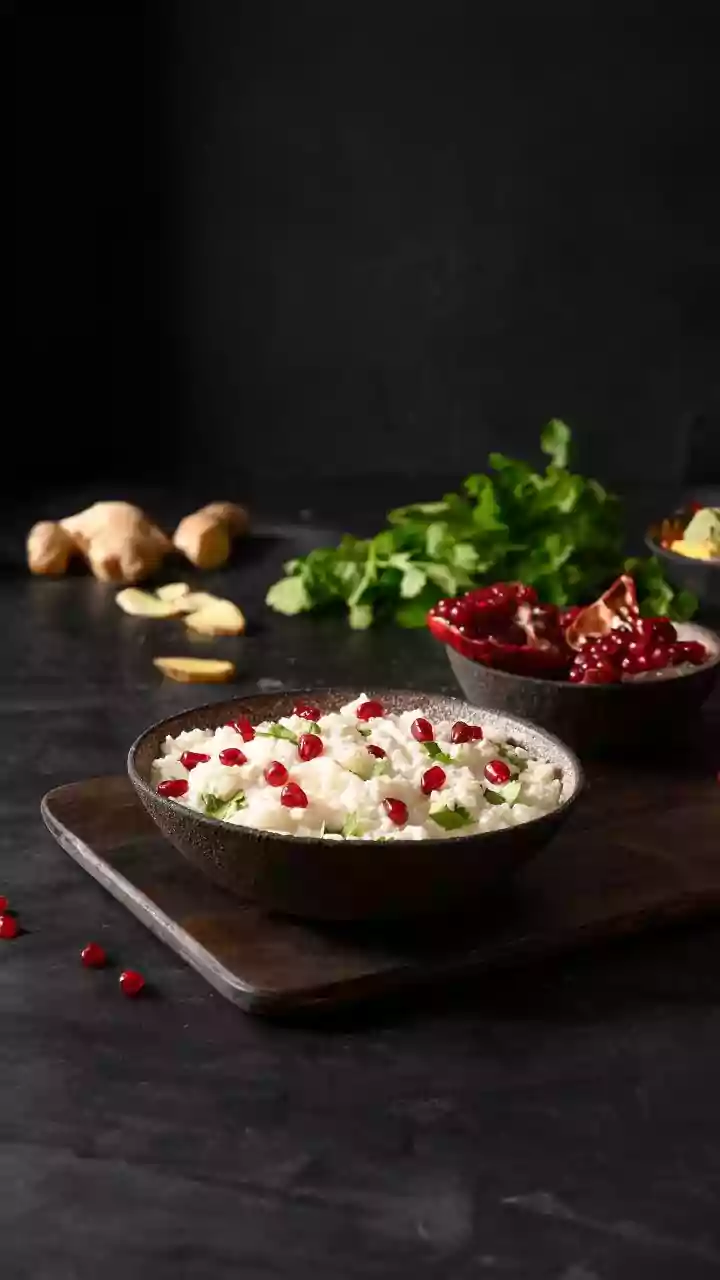
In the age of social media, we eat with our eyes first. The bento box transforms the humble ghar ka khana into a visually appealing, Instagram-worthy creation. The compartments frame the food, encouraging cooks to play with colours and textures. A sprinkle of pomegranate seeds, neatly sliced cucumber, and a colourful corn salad suddenly elevate a simple meal. Food bloggers and home cooks across India are sharing their 'desi bento' ideas online, showcasing everything from mini idlis with chutney to roti rolls and paneer tikka arranged with artistic flair. This aesthetic element turns packing a lunch from a daily chore into a creative outlet.
A Fusion of Tradition and Modernity
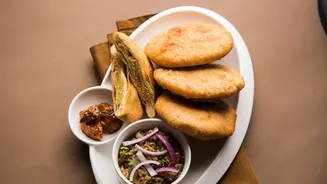
Adopting the bento box isn't about abandoning Indian culinary traditions; it's about reinterpreting them for a new era. The contents remain deeply Indian—jeera rice, palak paneer, rajma salad—but the presentation is global. It’s a fusion that speaks to the adaptable nature of Indian culture. It shows a willingness to embrace a foreign concept and make it entirely our own, proving that the comfort of a home-cooked meal can evolve in form without losing its soul. The bento box is simply the latest chapter in the long and storied history of the Indian lunchbox.