







The Humidity Hazard
The single biggest challenge for food storage during the Indian monsoon is the high humidity, which can reach 80-95%. This moisture in the air is a primary cause of food spoilage, creating the perfect breeding ground for mould, fungus, and bacteria. While
we often focus on protecting grains and snacks, condiments are just as vulnerable. Every time you open a jar, humid air gets inside, and even a single drop of water from a wet spoon can introduce contaminants that ruin an entire batch. The result is clumpy spices, soggy pickles, and fuzzy patches of mould that can be dangerous if consumed.
Protecting Your Pickles
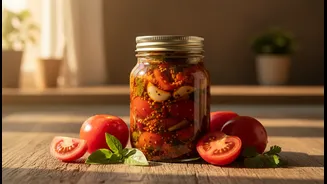
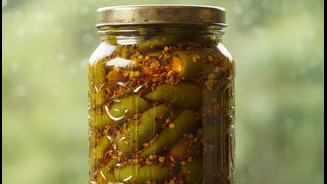
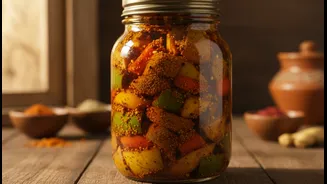
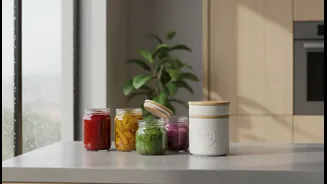
Homemade and store-bought pickles (achaar) are pantry staples, but they require care. The two most important preservatives in traditional Indian pickles are salt and oil. Salt draws out moisture, while a thick layer of oil on top creates a physical barrier against air and humidity. During the monsoon, always ensure your pickles are fully submerged in oil; if the level drops, top it up with heated and cooled mustard oil, which has natural preservative properties. Store pickles in sterilised, airtight glass jars in a cool, dark place away from the stove and direct sunlight. Avoid plastic containers, which can absorb odours, and never use a wet or dirty spoon to serve.
Keeping Chutneys and Sauces Fresh
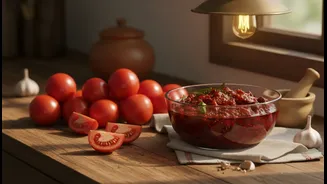
Chutneys fall into two categories: fresh and preserved. Fresh chutneys, like those made from coriander and mint, are highly perishable and should be refrigerated immediately and consumed within a day or two. For longer storage, you can pour the fresh chutney into an ice cube tray and freeze it; these cubes can then be thawed as needed. For preserved sweet or tangy chutneys (like tamarind or mango), vinegar and sugar act as preservatives. Once opened, these should always be stored in the fridge in a tightly sealed glass jar to last for several weeks. Commercially bottled sauces should also be refrigerated after opening to maintain their quality.
Don't Neglect Dry Masalas
The dampness of monsoon can make powdered spices like turmeric and chilli powder lumpy and cause them to lose their aroma and flavour. Whole spices are more resilient but can also suffer. The key is to store all spices in completely dry, airtight containers. Glass jars are preferable to plastic. A common mistake is keeping spice racks near the stove; the steam from cooking is a major source of moisture. Instead, store them in a cool, dark cabinet. To combat clumping, you can lightly roast whole spices on a dry pan before storing them. For powders, ensure you only use a completely dry spoon.
Smart Storage and Spotting Spoilage
Choosing the right container is crucial. Airtight glass jars are the gold standard for most condiments as glass is non-reactive and easy to clean. For bulk storage, ensure containers are kept off the floor, as moisture can rise from the ground. Regularly inspect your condiment jars for any signs of spoilage. Look for visible mould (which can be white, green, black, or pink), an unusual or fermented smell, a change in colour, or any fizzing when you open the jar. Unlike hard cheese, where you can sometimes cut off a mouldy part, with wet condiments like pickles and chutneys, the spoilage and potential toxins can spread throughout the entire container. It is not enough to just scoop the mould off the top. When in doubt, it is always safest to discard the entire contents.