







An Unlikely Culinary Mecca
When you picture a trip to India, your mind probably conjures images of the Taj Mahal in Agra, the palaces of Rajasthan, or the bustling megacities of Delhi and Mumbai. But for a growing number of domestic travelers, especially young couples and groups
of friends, the ultimate destination isn't a landmark—it's a flavor. They’re packing their bags, starting their cars, and plotting routes that all lead to Indore, a city in the state of Madhya Pradesh that has earned a near-mythical reputation as India's street food capital. This isn't your standard foodie weekend; it's a full-blown pilgrimage where the itinerary is a checklist of dishes and the landmarks are food stalls that have been serving the same beloved recipes for generations.
Where Night Markets Come Alive
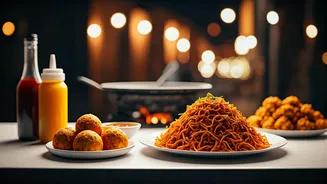
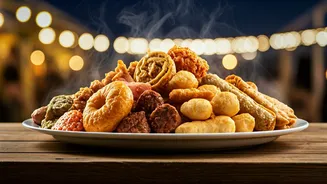
The magic of Indore’s food scene truly ignites after dark. The prime example is Sarafa Bazaar. By day, it’s a bustling jewelry market, with shops glittering with gold and silver. But as dusk falls and the jewelers lock up, the street undergoes a remarkable transformation. Carts roll in, woks are fired up, and the air fills with the sizzle of frying and the fragrant steam of spices. What was a commercial lane becomes a sprawling, open-air food court, drawing thousands of locals and tourists alike until the early hours of the morning. A similar energy buzzes at Chappan Dukan, which translates to "56 Shops." This is a more organized strip of eateries standing side-by-side, offering a concentrated blast of Indore’s greatest culinary hits in one walkable, vibrant corridor.
A Menu That Defies Convention
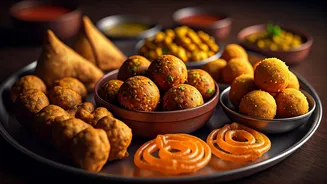
So what are they all eating? Indore’s street food is a unique blend of flavors from neighboring regions like Maharashtra, Rajasthan, and Gujarat, creating a style that is distinctly its own. The day often starts with *poha-jalebi*, a breakfast combination that sounds odd but is a local obsession: flattened rice flakes seasoned with spices, topped with crispy sev (fried chickpea noodles), and served alongside a hot, sugary, spiral-shaped jalebi. Other must-try dishes include *bhutte ka kees*, a savory dish of grated corn cooked with milk and spices; *garadu*, a type of yam deep-fried to crispy perfection and tossed in a special masala; and *khopra patties*, a potato cutlet stuffed with coconut. To wash it all down, there’s *shikanji*, a rich, thick drink made not with lemons but with milk, yogurt, and dry fruits—a dessert in a glass. The variety is staggering, and more importantly, it’s incredibly affordable.
The New Face of Experiential Travel
The trend of planning trips around Indore's food scene speaks to a larger shift in travel priorities. For budget-conscious young people, the value proposition is unbeatable. A couple can feast like royalty for an entire weekend on less than the cost of a single tasting menu at a fine-dining restaurant in a major city. This isn’t just about saving money; it’s about choosing authenticity. It’s a rejection of cookie-cutter, tourist-trap experiences in favor of something real, local, and deeply rooted in culture. They are trading five-star hotels for the five-star experience of a perfectly spiced dish served on a paper plate under the stars. By building a trip around food, these travelers are connecting with a place through its most fundamental form of expression, creating memories that are far more visceral and lasting than a photo in front of a monument.