




An Introduction to Qatari Flavours
Qatari cuisine is a flavourful tapestry woven from Bedouin, Persian, Indian, and Levantine influences. At its heart are aromatic spices, slow-cooked meats, and fresh seafood from the Arabian Gulf. Core ingredients include basmati rice, lamb, chicken,
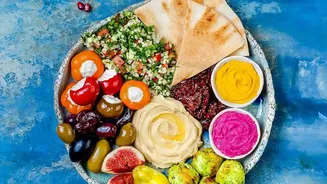
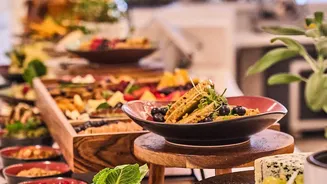
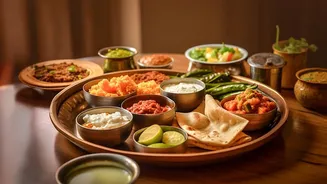
dates, and dried limes known as 'loomi', which impart a unique earthy, sour taste to many dishes. Meals are often communal affairs, built around large platters designed for sharing, reflecting the nation's deep-rooted hospitality. Whether it's a hearty stew or a delicate dessert, the food tells a story of trade, tradition, and a rich cultural history. Understanding these foundations is the first step to a delicious adventure.
The Unmissable National Dish: Machboos
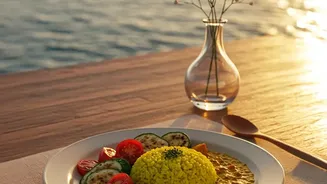
No culinary tour of Qatar is complete without trying Machboos, widely considered the national dish. This aromatic one-pot meal consists of rice cooked in a rich, spiced broth with chicken, lamb, or fish. The rice absorbs all the flavours from the meat and spices like cardamom, cinnamon, and turmeric, resulting in a deeply satisfying dish. It is typically served on a large platter, often garnished with fried onions and accompanied by a tangy tomato sauce called 'daqoos'. You can find Machboos in nearly every traditional Qatari restaurant, from bustling souq eateries to more refined dining rooms, making it an accessible and essential taste of local life.
Authentic Eats in Souq Waqif
Souq Waqif, Doha's historic marketplace, is the pulsating heart of its traditional dining scene. The maze-like alleys come alive at night with the scent of grilled meats, spices, and freshly baked bread. For an authentic experience, head to Shay Al Shoomos, an establishment run by a renowned Qatari woman, famous for its traditional breakfast dishes like 'balaleet' (sweet vermicelli with an egg omelette) and 'regag' (crispy crepes). Another must-visit is Bandar Aden, a no-frills Yemeni restaurant beloved by locals for its floor seating and massive platters of slow-roasted lamb ('haneeth') and chicken ('mandi'). For a taste of Persian opulence, Parisa offers stunning interiors with intricate mirror work and delicious kebabs.
Modern Twists on Tradition
While tradition runs deep, Doha's chefs are also looking to the future. Several restaurants offer contemporary interpretations of Qatari cuisine, blending classic recipes with modern techniques. Jiwan, located in the National Museum of Qatar, reimagines local dishes with an artistic flair, offering stunning views alongside its inventive menu. SMAT, with its sleek interior and views of the Corniche, focuses on 'reinventing Qatari food', presenting humble dishes like Saloona stew with refined elegance. Another notable mention is Saasna, which preserves heritage recipes passed down through generations while presenting them for a 21st-century palate, with a focus on celebrating the late culinary author Sheikha Ahmed Al Meer.
The Daily Ritual: Karak and Chapati
You haven't truly experienced Qatar until you've had karak. Described as a national obsession, this strong, milky tea is a legacy of South Asian influence. It's made by boiling black tea with evaporated milk, sugar, and spices like cardamom and sometimes saffron. It’s often paired with chapati, a simple flatbread that can be filled with cheese, honey, or other ingredients. This combination is Qatar’s quintessential snack, enjoyed day and night. Roadside cafes and drive-through spots like the famous Chapati & Karak in Katara Cultural Village are social hubs, where cars line up late into the evening for this comforting and affordable ritual.
A Sweet Conclusion: Qatari Desserts
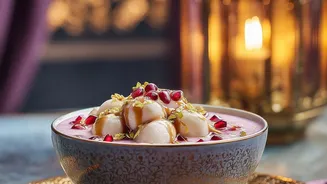
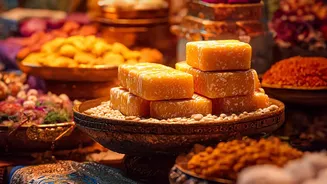
Desserts in Qatar are rich, fragrant, and deeply satisfying. A must-try is Luqaimat, which are small, deep-fried dumplings that are crispy on the outside and soft on the inside. They are drizzled with date syrup or honey and sprinkled with sesame seeds. Another popular sweet is Balaleet, a unique dish of sweet vermicelli noodles topped with a saffron-infused omelette, often enjoyed for breakfast. Umm Ali, a rich and creamy bread pudding with nuts and raisins, is a comforting dessert found on many menus. These sweets, influenced by traditions across the Arab world and beyond, provide a perfect end to any Qatari meal.