



The Rise of the Green Desk
Our workspaces have transformed. Whether it’s a corner of the bedroom or a dedicated home office, the desk has become a central hub of modern life. With this shift, there’s a growing desire to make these spaces not just functional, but beautiful and calming.
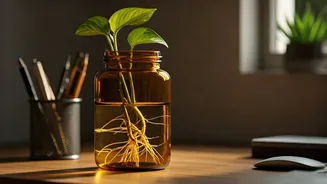
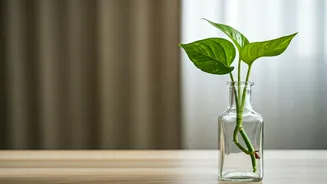
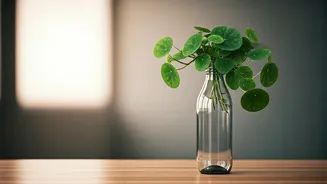
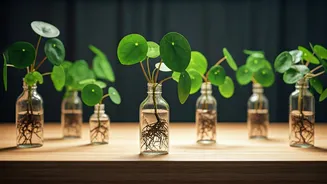
Enter the trend of biophilic design—the idea that connecting with nature, even in small ways, can boost our well-being. This is where the simple, elegant money plant in a glass vial comes in. It’s a low-effort, high-impact way to embrace this philosophy. This trend combines minimalism with a touch of living greenery, offering a visual break from screens and a sense of accomplishment as you watch a tiny cutting sprout roots and grow.
Why the Money Plant Is Perfect
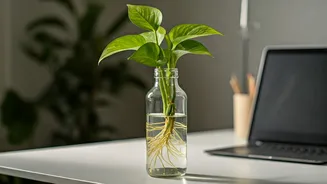
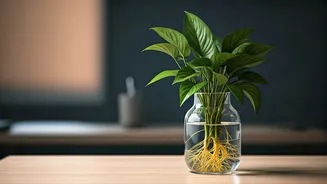
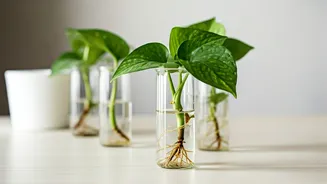
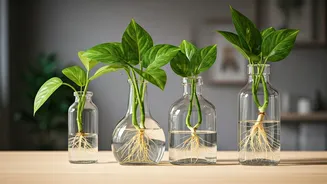
The money plant, or Pothos (Epipremnum aureum), is the undisputed star of this trend for several good reasons. Firstly, it’s incredibly forgiving. Often called ‘devil's ivy’ for its ability to survive in low light and with infrequent care, it’s the perfect plant for beginners or busy professionals. Secondly, it propagates in water with remarkable ease. You don't need special soil or hormones; just a cutting and a vial of water are enough to start a new plant. Its vibrant green, often heart-shaped leaves and trailing vines add a dynamic, sculptural element to any surface. As the cutting develops, its delicate roots become part of the aesthetic, visible through the clear glass.
Creating Your Propagation Station
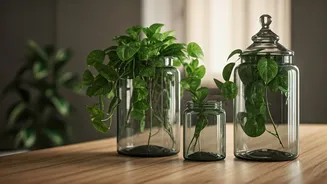
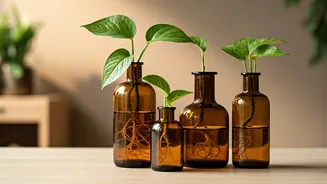
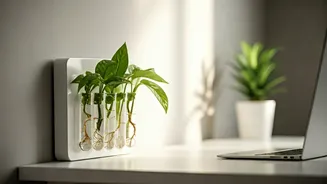
The beauty of this trend lies in its simplicity. You don’t need an elaborate setup. The key is choosing the right vessel to showcase the cutting. Clear glass is non-negotiable as it allows you to watch the root development, which is part of the magic. Look for: - **Single Vials or Test Tubes:** These can be placed in small wooden or metal stands for a clean, scientific-chic look. - **Small Glass Jars or Bottles:** Repurposed spice jars, small perfume bottles, or vintage medicine bottles add character and a touch of eco-consciousness. - **Wall-Mounted Vases:** For those short on desk space, wall-mounted propagation stations create a stunning ‘living wall’ effect. The goal is to keep the focus on the plant itself. A minimalist vessel ensures the vibrant green leaf and the intricate web of roots remain the hero of your display.
A Step-by-Step Guide to Propagation
Ready to create your own? It’s easier than you think. Follow these simple steps: 1. **Take a Cutting:** Select a healthy, mature money plant. Look for a stem and identify the nodes—small brown bumps where the leaf meets the stem. This is where new roots will grow. Make a clean cut with sharp scissors or a knife about an inch below a node. Ensure your cutting has at least two or three leaves. 2. **Prepare the Cutting:** Remove the leaf closest to the cut end. You want to make sure at least one node is submerged in water, but no leaves are, as submerged leaves can rot and contaminate the water. 3. **Place in Water:** Fill your chosen glass vial or jar with room-temperature water. Tap water is usually fine, but if your water is heavily treated, let it sit out for 24 hours first. Place the cutting inside, ensuring the node is fully submerged. 4. **Find the Right Spot:** Position your vial in a spot that receives bright, indirect light. A spot near a window but out of direct, harsh sunlight is ideal. Too much direct sun can scorch the leaves and encourage algae growth in the water.
Care and Long-Term Maintenance
Your job isn’t over once the cutting is in water. A little maintenance will ensure it thrives. Change the water every 5-7 days, or whenever it looks cloudy. This replenishes oxygen and prevents bacteria from forming. You should see tiny white roots begin to sprout from the node within a few weeks. Once the roots are a few inches long, you have a choice: you can either keep the plant in water indefinitely (a practice known as hydroponics), or you can transfer it to a small pot with soil. If you choose to keep it in water, it will grow slower, but it will remain a beautiful, low-maintenance desk accessory for a long time.