




What Exactly is a Seed Bomb?
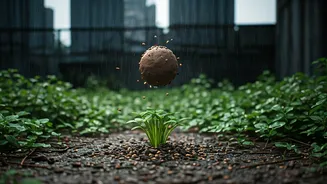
At its core, a seed bomb is a simple but ingenious package designed to give a seed the best possible start in life. It's a small ball, typically made of a mixture of clay, compost or other organic material, and, of course, seeds. The clay protects the seeds from
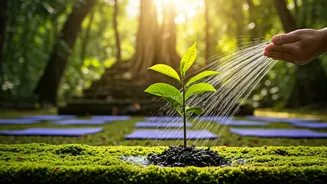
being eaten by birds and insects or washed away by heavy rain. The compost provides essential nutrients for the seedling once it germinates. When the conditions are right—specifically, when there's enough moisture—the clay ball dissolves, and the seed begins to grow, already nestled in its own private patch of fertiliser.
Why Now? The Monsoon Window
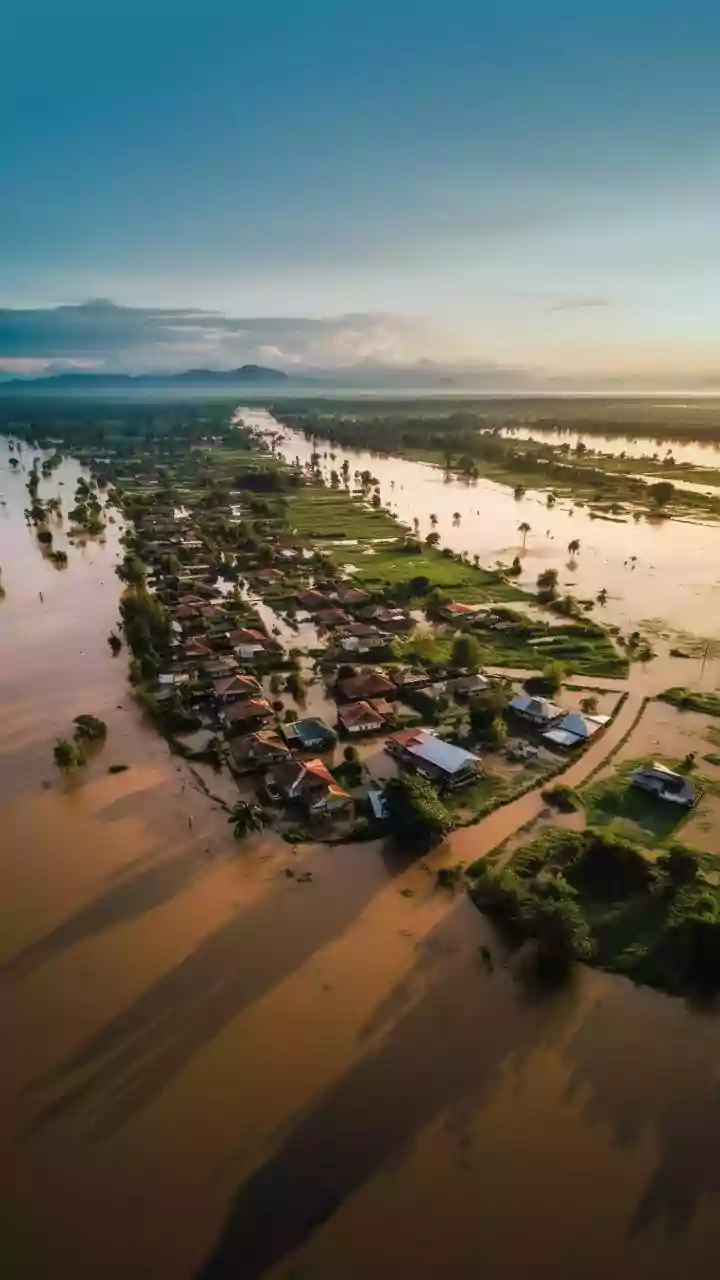
The timing is no coincidence. For seed bombing to be effective, it needs a crucial collaborator: water. Launching these initiatives just before or during the monsoon season is a strategic move. The consistent rainfall softens the clay casings and provides the sustained moisture necessary for the seeds to sprout and establish roots. Throwing a seed bomb in the dry heat of May would be a wasted effort. But as the first rains arrive, environmental groups and citizen volunteers across India spring into action, seizing this limited window when nature itself does most of the heavy lifting. The monsoon transforms the entire landscape, and for these 'guerrilla gardeners', it's the official start of their planting season.
Reclaiming the Concrete Jungle
Look around any major Indian city, and you'll see the target areas: neglected dividers, barren patches of land near flyovers, forgotten corners of public parks, and abandoned construction sites. These are the frontlines of urban seed bombing. The goal is to combat the 'urban heat island' effect, where concrete and asphalt absorb and retain heat, making cities significantly warmer than surrounding rural areas. By introducing greenery, even in small pockets, these initiatives aim to create micro-cooling zones, improve air quality by filtering pollutants, reduce soil erosion, and restore a small measure of biodiversity in sterile urban environments. It's a direct response to decades of rapid, often unplanned urbanisation that has pushed nature to the fringes.
Not Just Any Seed Will Do
This isn't about randomly tossing any pretty flower seed. Responsible seed bombing campaigns are meticulous about their choice of ammunition. The focus is almost exclusively on native and indigenous species. Why? Because native plants are already adapted to the local climate, soil conditions, and rainfall patterns. They require less water and maintenance once established and are vital for supporting local ecosystems, providing food and shelter for native birds, bees, and butterflies. Using non-native or invasive species could do more harm than good, as they might out-compete local flora and disrupt the delicate ecological balance. So, the seed bombs being deployed in Mumbai might contain different species than those used in Delhi or Bengaluru, each tailored to its specific environment.
Is This a Form of Protest?
In a way, yes. Seed bombing is often called 'guerrilla gardening' because it's typically done without official permission. It’s a low-cost, citizen-led form of direct action. When residents feel that municipal authorities are too slow or neglectful in maintaining green spaces, they take matters into their own hands. It's less about vandalism and more about stewardship—a quiet, powerful statement that citizens care about their environment and are willing to invest their own time and effort to improve it. It bypasses bureaucracy and red tape, making it an appealing tool for community groups and individuals who want to see immediate, tangible change in their own neighbourhoods.
So, Does It Actually Work?
The success rate of seed bombing can be variable. Not every seed bomb will become a thriving plant. Factors like soil quality, sunlight, and subsequent rainfall all play a critical role. However, it's not just about the germination rate. The true success of these campaigns often lies in their ability to raise awareness and foster a sense of community ownership over public spaces. It's an educational tool that connects urban dwellers, especially children, with nature and the basics of ecology. While it may not be a substitute for large-scale, systematic urban forestry projects, seed bombing is a powerful symbol of hope and a practical first step in making our cities greener, one seed at a time.