






The Grain-Rich Heartland: North India
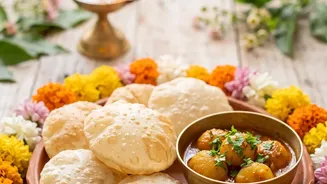
In North India, the Navratri fast is defined by a switch from everyday grains like wheat and rice to a specific pantry of alternatives. Flours like 'kuttu ka atta' (buckwheat flour) and 'singhare ka atta' (water chestnut flour) become staples, used to prepare
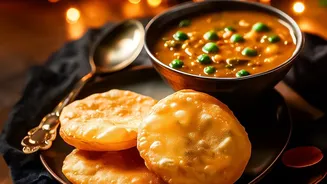
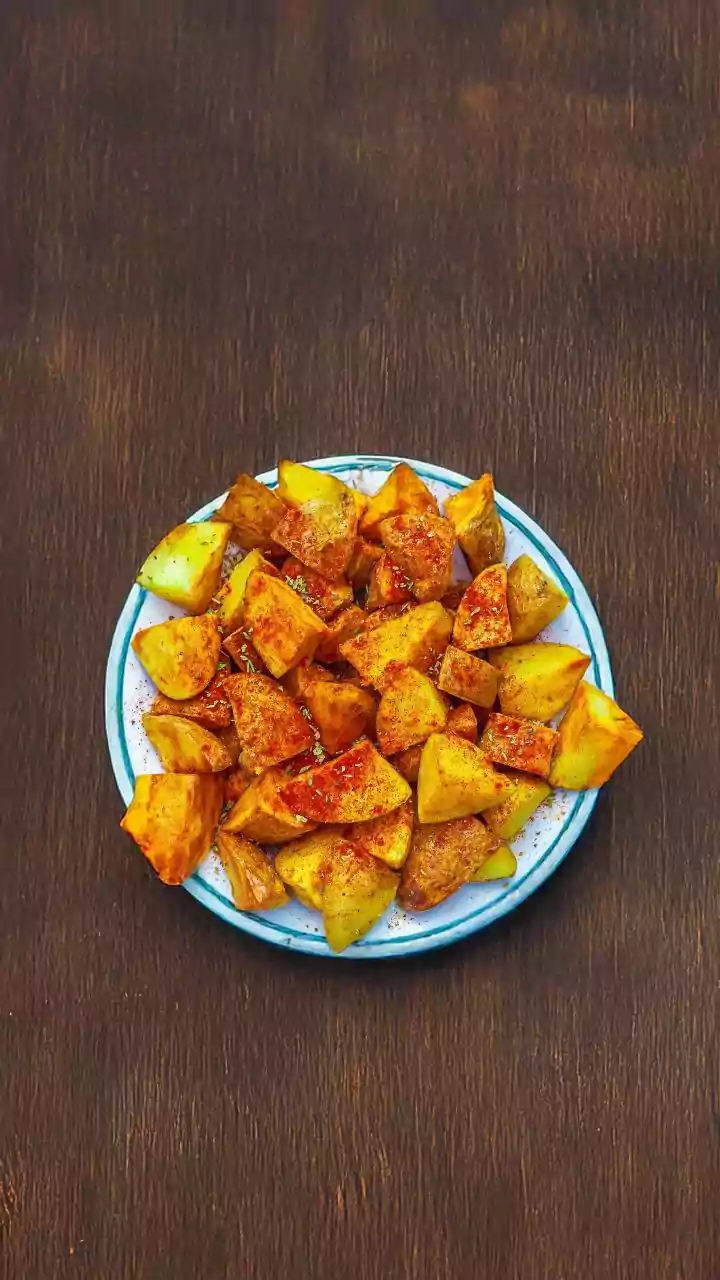
deep-fried, fluffy puris. These are often paired with a simple, tangy curry of potatoes simmered in a tomato base, seasoned only with 'sendha namak' (rock salt). Another star is 'samak ke chawal' (barnyard millet), which serves as a rice substitute in dishes like pulao and khichdi. The region's reliance on tubers and alternative grains results in hearty, energy-giving meals. Sweets are also central, with 'singhare ka halwa' and 'makhana kheer' (fox nut pudding) providing a rich, satisfying end to a fast day's meal.
The Savoury & Innovative West: Gujarat and Maharashtra
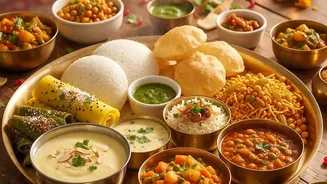
Western India, particularly Gujarat and Maharashtra, has a vibrant 'farali' (fasting) food culture. In Maharashtra, 'sabudana' (tapioca pearls) reigns supreme. It is used to make the iconic 'sabudana khichdi', a flavourful mix of soaked pearls, crushed peanuts, potatoes, and mild spices, and the crispy 'sabudana vada'. Peanuts are a key ingredient here, adding texture and protein. In Gujarat, the palate leans towards a delightful mix of sweet, spicy, and tangy. Dishes like 'farali pattice', a crispy potato cutlet stuffed with a sweet and nutty mixture of coconut and dried fruits, are popular. Flours like 'rajgira' (amaranth) are used to make puris and dhoklas suitable for fasting. The creativity in this region transforms simple fasting ingredients into an elaborate and delicious spread.
A Different Devotion: East India
In Eastern India, especially West Bengal, Navratri coincides with the grand festival of Durga Puja. Here, the concept of fasting is quite different from the North and West. Instead of a grain-free fast, the period is marked by joyous feasting. Many households maintain a strictly vegetarian diet, avoiding onion and garlic, but not necessarily grains. The most iconic offering is the 'bhog khichuri', a delicious one-pot meal of rice and roasted moong dal, often served at community pandals with a mixed vegetable dish called 'labra' and fried accompaniments. While some individuals may observe personal fasts with fruits and milk, the collective culinary spirit of Durga Puja is one of celebration. Sweets are indispensable, with 'narkel naru' (coconut laddus) and 'mishti doi' (sweet yogurt) being festive essentials.
Simplicity and Sundal: South India
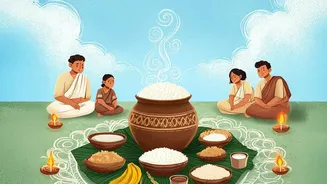
In South India, the observance of Navratri fasting varies significantly. While many do not follow the strict grain-free diet common in the north, the nine days are marked by special food offerings to the Goddess, especially in homes that display 'Golu' dolls. The highlight of the culinary tradition here is 'sundal', a simple and nutritious dish made from different boiled legumes like chickpeas or peanuts, tempered with mustard seeds, curry leaves, and grated coconut. A different kind of sundal is prepared each day as 'prasadam' (offering). Sweets like 'payasam' or 'kheer' are also common. For those who do observe a fast, the diet often includes dishes made from barnyard millet ('varai' or 'sama'), tapioca, and an abundance of fresh fruits and coconut.