




The Lifeline and the Bottleneck
Imagine a village nestled deep within the Himalayas or a small island community in the Arabian Sea. For many such places in India, from the high-altitude deserts of Spiti Valley to the far-flung islands of Lakshadweep, a single road or ferry service is not
just a convenience; it is the sole artery for commerce, travel, and emergency services. This one connection is the conduit for everything: food supplies, construction materials, access to advanced medical care, and the flow of tourists that often supports the local economy. When this link is operational, it brings prosperity and opportunity. When it fails, the community is effectively cut off from the rest of the world.
The Economics of Isolation
The tourism industry in these remote areas exists in a delicate balance. A reliable transport connection is crucial for attracting visitors; after all, a destination's accessibility directly impacts its economic viability. Tourists bring in revenue that supports hotels, homestays, restaurants, and local artisans. However, this dependency on a single route creates significant vulnerability. A landslide closing a mountain pass for a week or a ferry breakdown during peak season can wipe out a huge portion of a family's annual income. The cost of goods is also higher, as every product must be transported along this one, often difficult, route, making daily life more expensive for permanent residents.
When the Connection Snaps
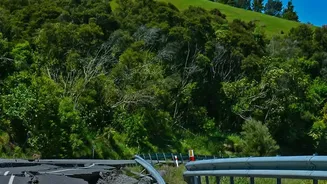
The consequences of a severed transport link are immediate and severe. In mountainous regions like parts of Himachal Pradesh, Uttarakhand, and Arunachal Pradesh, landslides and heavy snowfall are annual events that can isolate entire valleys for days or even months. During these periods, residents are left to rely on stockpiled resources. Access to healthcare becomes a critical concern, as reaching a hospital can become impossible. While India has made significant strides in building rural roads, the challenge often isn't just the absence of a road, but the reliability of the one that exists. This fragility shapes the very mindset of the communities, forcing them to live with a constant awareness of their precarious connection to the outside world.
Resilience in the Face of Uncertainty
Despite these challenges, the people living in these remote areas demonstrate incredible resilience. Generations of experience have taught them to be self-sufficient. Communities often work together to clear minor road blockages, manage food stores, and look out for one another. There is a deep-seated understanding of nature’s power and a rhythm of life that adapts to it. This spirit of self-reliance is a powerful force, fostering strong social bonds and a unique cultural identity that is, ironically, preserved by the very isolation that poses their greatest threat. They are not simply waiting for help; they are active participants in their own survival, adapting and innovating with the resources available to them.