




More Than Just a Vegetable
Forget imported avocados or fancy cheese. The real status symbol on an Indian foodie’s table during the rains is a plate of wild mushrooms. Why? Because you can’t just buy them anytime, anywhere. Their arrival is dictated by nature, not supply chains.
This scarcity, combined with the specialised knowledge required to find and identify them, elevates them from a simple ingredient to a conversation piece. Serving seasonal mushrooms is a declaration—a nod to tradition, a respect for nature's rhythms, and an appreciation for the ephemeral. It signals that you are in tune with the season, possessing the access or knowledge to procure something truly special and fleeting.
The Crown Jewel: Gucchi
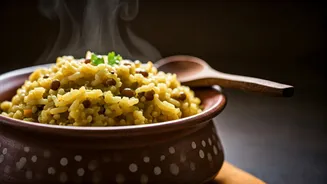
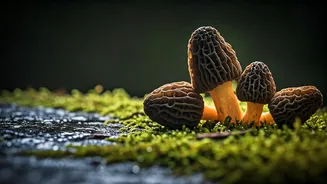
At the pinnacle of the mushroom flex is the Gucchi, or Morel. Found in the foothills of the Himalayas after the snow melts, these honeycomb-headed fungi are notoriously difficult to cultivate and must be foraged. Villagers spend days searching for them, and the painstaking process makes them one of the most expensive ingredients in the world, with prices running into tens of thousands of rupees per kilogram. Their flavour is intensely earthy, smoky, and nutty. In the kitchen, Gucchi are treated with reverence, often starring in slow-cooked pulaos or creamy, delicate curries where their unique taste can be the hero. Simply placing a Gucchi dish on the menu is a statement of luxury and exclusivity.
The Monsoon's Gift: Termitomyces
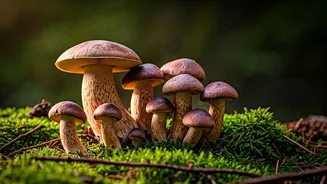
If Gucchi is the king, then the Termitomyces is the beloved local champion. Known by many names—Olmi in Goa, Rohn in Jharkhand, Chhatu in Odisha and Bengal—these mushrooms have a fascinating origin. They grow on termite mounds, sprouting overnight after the first heavy rains. Their appearance is a celebrated event in many communities. Unlike the year-round button mushroom, Termitomyces have a firm, meaty texture and a distinct, almost sweet flavour. They can't be farmed, making them a purely seasonal and foraged delicacy. Finding a basket of fresh, white Termitomyces at a local market is a moment of pure monsoon joy for those in the know.
Navigating the Wild Bounty
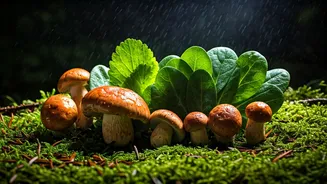
The world of wild mushrooms is vast, with countless other varieties like the vibrant orange 'cinnabar chanterelle' or the unique 'puffball' making appearances. However, this is not a world for amateurs. The line between delicious and deadly can be incredibly thin. Foraging should only be done with an experienced guide who has generations of knowledge. For the rest of us, the safest and best way to partake in this seasonal bounty is to buy from trusted local vendors at the market. Look for mushrooms that are firm, dry, and free of any slime or dark spots. Ask the seller about them; often, they have the best tips on how to prepare them, passed down through their own families.
Cooking the Catch
Once you've secured your precious haul, the key is simplicity. The goal is to highlight the mushroom's natural flavour, not mask it. A simple sauté with garlic, a sprinkling of salt, and a fresh herb like coriander or parsley is often enough. They can be added to a simple stir-fry, folded into an omelette, or simmered in a light coconut-based curry. Avoid overpowering them with heavy spices. A classic approach in many Indian homes is to cook them with a light onion-tomato masala, allowing the mushroom's earthy notes to meld with the base. This respectful, simple treatment is the final step in the flex—showing you not only know how to find them but also how to honour them on the plate.