




An Ancient Tradition's Modern Revival
The use of rice water is not a new wellness fad. For centuries, women in countries like China, Japan, and across Southeast Asia have used the starchy liquid to care for their hair. The famed Yao women of China's Huangluo village, who hold a world record
for their average hair length of six feet, credit their long, strong, and dark hair to washing it in fermented rice water. Today, this simple, homemade concoction is gaining global attention as a natural, two-in-one treatment for both external beauty and internal wellness.
The Science Behind Rice Water for Hair
Wellness influencers claim that a simple rice water rinse can lead to smoother, stronger, and longer hair. The science is nuanced. Rice water is rich in starch, amino acids, and vitamins. A key component is inositol, a carbohydrate that can penetrate the hair shaft, helping to improve elasticity and reduce surface friction. This can make hair smoother, shinier, and less prone to breakage, which helps in retaining length. However, dermatologists are quick to point out that there are no clinical studies directly proving that rice water stimulates hair growth from the follicle. While some research on concentrated rice bran extract has shown promise in animal studies, this is different from the diluted liquid made at home. Overuse, especially of potent fermented versions, can also lead to protein overload, making hair stiff and brittle.
A Probiotic Drink for Gut Health?
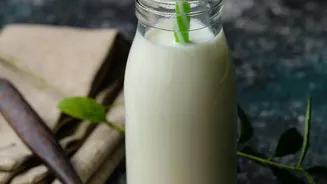
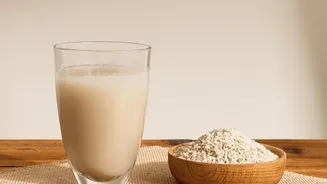
The more recent and debated application of fermented rice water is as a drink for gut health. Known traditionally in parts of India as 'Neeraagaaram' or 'Panta Bhat', this fermented liquid is considered a natural probiotic. The fermentation process allows for the growth of beneficial bacteria, like Lactobacillus, which can support a healthy gut microbiome. Proponents claim it aids digestion, reduces bloating, and strengthens the gut lining. Fermentation can also break down anti-nutrients like phytic acid, potentially increasing the body's ability to absorb minerals like iron and zinc from the rice. However, the safety and consistency of homemade fermented drinks are a significant concern. The wild fermentation process can lead to the growth of harmful bacteria if not prepared correctly, and the acidity can be problematic for some individuals.
How to Prepare It Safely at Home
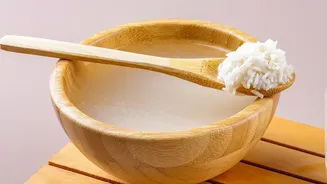
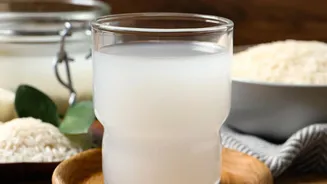
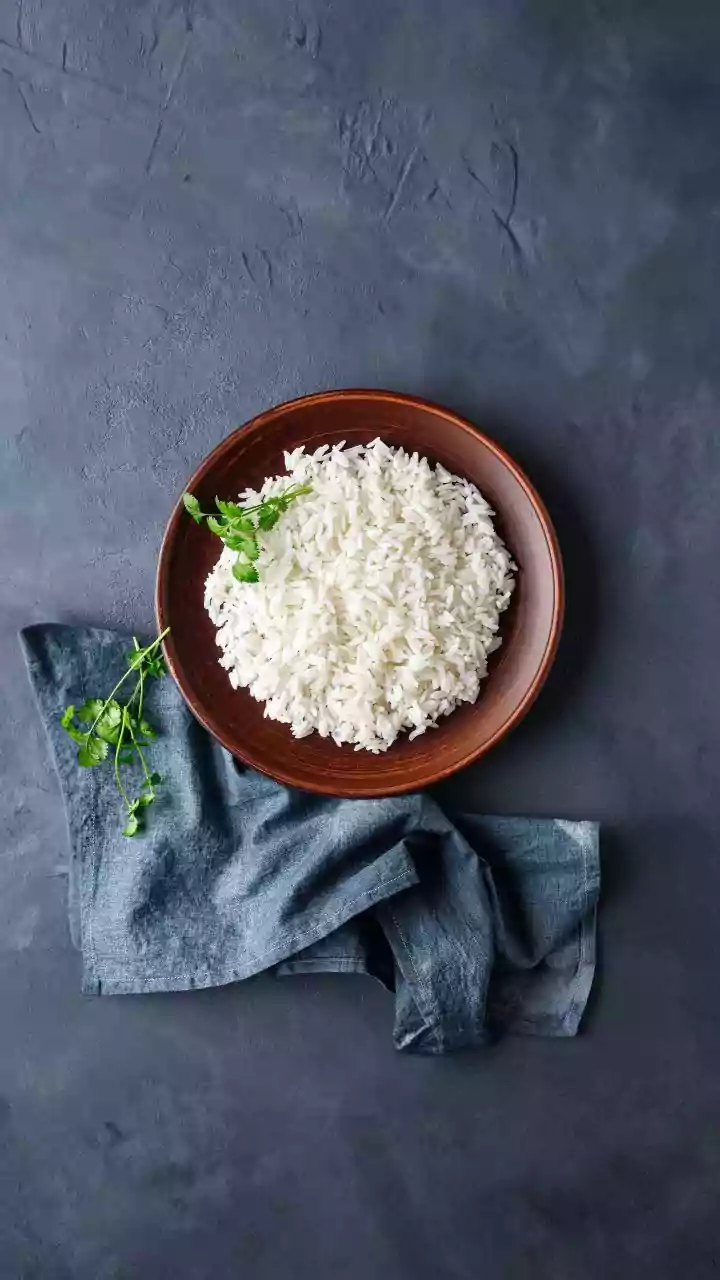
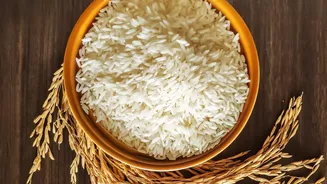
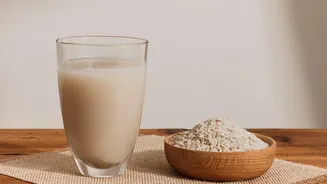
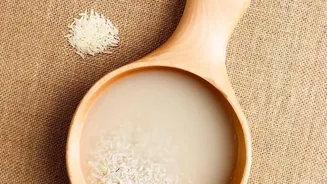
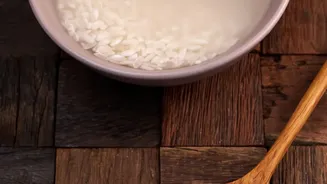
For those curious to try it for hair care, the process is simple. To make basic rice water, rinse half a cup of uncooked rice, then soak it in two to three cups of water for at least 30 minutes. Strain the cloudy water into a clean bowl. For fermented rice water, let this liquid stand at room temperature for 24 to 48 hours, or until it develops a slightly sour smell. For hair application, wash your hair with shampoo, then pour the rice water over your hair and scalp. Let it sit for up to 20 minutes before rinsing thoroughly. Due to the risks associated with wild fermentation, including potential contamination and inconsistent acidity, providing a safe recipe for oral consumption is difficult. Experts advise extreme caution with home-brewed fermented drinks, especially for pregnant women, children, and those with compromised immune systems.
The Expert Verdict: Benefit or Bust?
For hair care, dermatologists generally agree that using rice water as a rinse is a low-risk, inexpensive treatment. It may provide a conditioning effect, improving texture and shine by coating the hair shaft. However, its ability to grow hair faster remains anecdotal. When it comes to drinking fermented rice water, the expert consensus is far more cautious. While traditional consumption exists, the lack of standardization in home brewing poses risks. Digestive issues can occur, and the benefits are not as well-documented as those from commercially produced probiotics. People with conditions like IBS, histamine intolerance, or compromised immunity should avoid it.