






The New Space Rush
India's space economy is undergoing a massive transformation. Following policy liberalisation in 2020, the sector has seen a surge in private investment and the birth of over 400 space-tech startups. These companies are not just supporting ISRO; they
are building their own rockets, launching satellite constellations, and creating data-driven products. This commercial boom, facilitated by the regulatory body IN-SPACe, means that career paths are no longer limited to government research roles. The private sector is now a major employer, offering competitive salaries and dynamic work environments for young professionals across various disciplines.
Launch Vehicle and Propulsion Engineering
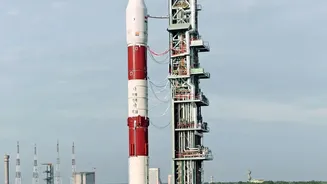
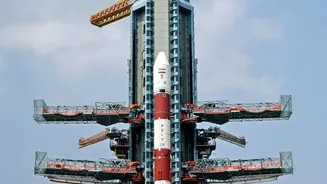
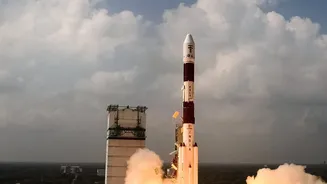
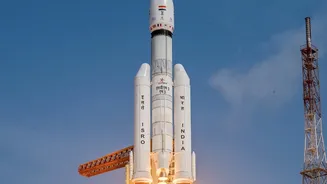
This is the classic ‘rocket science’ job, but now in the private sector. Companies like Skyroot Aerospace—which became the first Indian private company to launch a rocket—and Agnikul Cosmos are developing their own launch vehicles to send small satellites into orbit. They are hiring propulsion engineers to design and test rocket engines, structures engineers for vehicle bodies, and avionics specialists for guidance and control systems. These roles require a strong foundation in mechanical, aerospace, or electronics engineering and offer the chance to work on cutting-edge technologies like 3D-printed engines.
Satellite Systems and Payload Development
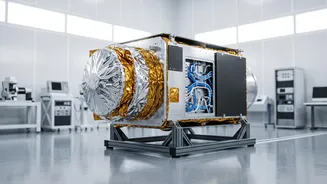
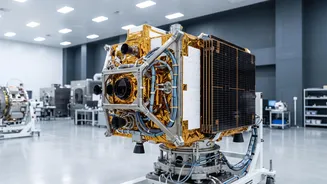
Building rockets is just one part of the equation. A growing number of startups focus on the satellites themselves. Companies like Dhruva Space build full-stack satellite solutions, while Pixxel is deploying a constellation of hyperspectral imaging satellites to monitor Earth in unprecedented detail. These firms hire satellite systems engineers who oversee the entire lifecycle of a satellite, from design and integration to testing. There is also high demand for payload engineers who specialise in the instruments the satellite carries, such as cameras, sensors, and communication hardware.
Downstream Data Analytics and GIS
Perhaps the fastest-growing area in the space economy is the 'downstream' sector, which focuses on using satellite data to solve problems on Earth. Companies like SatSure use satellite imagery to provide 'decision intelligence' for agriculture, finance, and infrastructure management. These companies don't necessarily build hardware but are major employers of data scientists, GIS analysts, and remote sensing experts. If you have skills in data analysis, machine learning, and programming languages like Python, you can find a role in the space industry without being a traditional aerospace engineer.
Mission Operations and Ground Control
Once a satellite is in orbit, it needs to be managed. Mission operations specialists work in ground stations to monitor the health of spacecraft, send commands, and troubleshoot any issues. This role is critical for ensuring that satellites perform their functions correctly throughout their lifespan. As private companies launch more and more satellites, the need for skilled ground control staff is increasing. These roles require a mix of software skills, systems thinking, and the ability to work well under pressure.
The Non-Engineering Frontier: Law and Finance
The commercialisation of space has created a demand for professionals beyond engineering and science. As private companies navigate complex regulations, international treaties, and large-scale funding, the need for space law and policy experts is growing. These specialists help companies secure launch authorisations, manage intellectual property, and ensure compliance. Similarly, finance professionals with expertise in venture capital and project finance are crucial for securing the investment that fuels these startups. These roles offer a path into the space sector for graduates with backgrounds in law, business, and public policy.