





Go for Gourds: The Monsoon Superstars
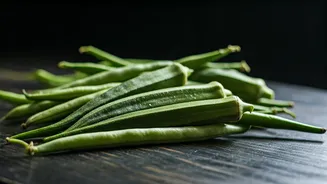
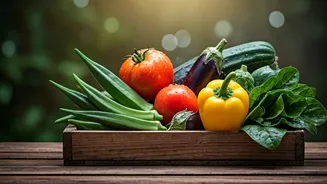
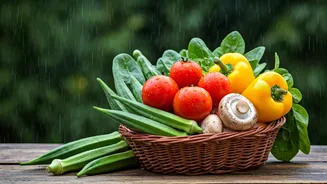
During the monsoon, the digestive system can become sluggish. This is why traditional wisdom and modern nutrition both favour light, easy-to-digest foods. Gourds are your best friends this season. Vegetables like bottle gourd (lauki), ridge gourd (turai),
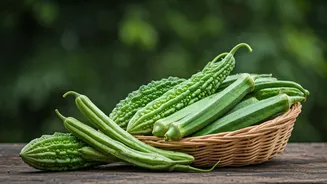
pointed gourd (parwal), and Indian squash (tinda) are packed with water and dietary fibre, which aids digestion and prevents bloating. They are also low in calories and have a cooling effect on the body. Another excellent choice is bitter gourd (karela). While its taste can be divisive, it's a powerhouse of nutrients that helps boost immunity, control blood sugar levels, and keep seasonal infections at bay. These vegetables grow on vines, meaning they have less contact with water-logged soil, reducing the risk of contamination.
Embrace Earthy Roots and Tubers
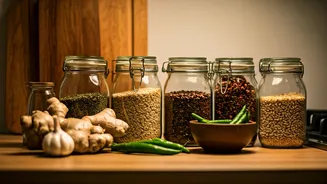
While leafy greens require caution, root vegetables are generally a safer and smarter bet. Vegetables that grow underground, like sweet potato (shakarkandi), yam (jimikand), and beetroot, are less exposed to surface-level pests and contamination. They are dense in essential nutrients and provide sustained energy. More importantly, don’t forget the powerful roots used in Indian cooking: ginger (adrak) and turmeric (haldi). Both possess strong anti-inflammatory and antibacterial properties. Incorporating freshly grated ginger and turmeric into your dals, curries, and teas is a simple and effective way to fortify your immune system against the colds, coughs, and fevers that are common during the rains.
Leafy Greens: Approach with Caution
You’ve probably heard the common advice to avoid leafy greens like spinach (palak) and fenugreek (methi) during the monsoon. There’s a good reason for this. The high moisture in the air and damp soil create a perfect breeding ground for germs, fungi, and pests that hide within the dense leaves. Mud and grit get lodged deep inside, making them difficult to clean thoroughly. This doesn’t mean you must eliminate them completely, but extreme care is non-negotiable. If you do buy leafy greens, submerge them in a bowl of warm water with a teaspoon of salt or a splash of white vinegar for at least 15 minutes. This helps dislodge dirt and kill microbes. Afterward, rinse each leaf individually under clean, running water. Most importantly, always cook them thoroughly; avoid raw leafy salads during this season.
The Cruciferous Check: Cabbage and Cauliflower
Cruciferous vegetables like cauliflower (gobi) and cabbage (patta gobhi) are notorious for harbouring tiny green worms, especially during the monsoon. The moist, layered structure of these vegetables provides an ideal hiding spot for pests to lay eggs. When shopping, inspect them carefully. Look for tight, compact heads and avoid any with visible holes or dark spots. Before cooking, it's a wise practice to blanch them. Separate the cauliflower florets or cabbage leaves and immerse them in a pot of hot, salted water for a few minutes. This will help draw out and kill any hidden worms or insects. After blanching, you can rinse them again and proceed with your recipe, confident that your meal is clean and safe.
Smart Shopping and Storage Habits
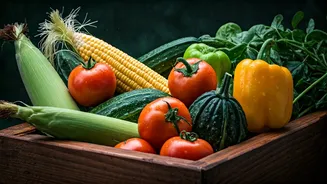
Beyond choosing the right vegetables, your shopping and storage habits play a crucial role in staying healthy. Always opt for fresh, seasonal produce over cold-storage items. Avoid buying pre-cut or peeled vegetables, as they have a higher chance of bacterial growth. Once home, don’t just rinse your vegetables; give them a proper wash. Soaking them in a salt or vinegar solution is a great first step. Pay special attention to vegetables with nooks and crannies. After washing, dry them completely with a clean cloth or paper towel before storing. Excess moisture encourages mould and rot, especially in the humid monsoon weather. Store them in a vegetable crisper in your refrigerator rather than leaving them out on the counter to ensure they stay fresh for longer.