






The Global Journey of Crude Oil
It all starts with crude oil, the raw material for petrol, diesel, and aviation fuel. India imports over 85% of its crude oil, making its economy highly sensitive to international prices. These prices are largely influenced by the decisions of oil-producing
cartels like OPEC+, which can increase or decrease supply to manage global rates. Geopolitical tensions, global demand, and the value of the US dollar also play a crucial role. When international crude prices rise, the cost for Indian oil marketing companies (OMCs) to purchase this essential commodity goes up, setting off a chain reaction that eventually reaches the consumer.
From the Pump to Your Pocket
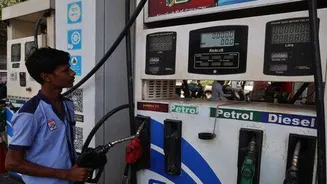
Once crude oil is imported and refined, the final retail price of petrol and diesel is determined by several factors. The price includes the base cost of the fuel, central government taxes (like excise duty), state government taxes (VAT, which varies from state to state), and a commission for the fuel pump dealer. This is why fuel prices can differ significantly across various Indian cities. This structure means that even if global oil prices fall, high domestic taxes can keep fuel costs elevated for consumers. These prices are revised daily, reflecting the dynamic nature of international markets and exchange rates.
The Ripple Effect on Road Travel
The most immediate impact of fluctuating fuel prices is felt on the road. For anyone who owns a car or a two-wheeler, higher petrol prices directly increase daily commute and travel expenses. However, the wider impact comes from diesel, the lifeblood of India's logistics sector. Trucks move the vast majority of goods across the country, and diesel can account for 30-45% of their total operating costs. When diesel prices rise, transport companies often pass on the increased cost through higher freight rates. This leads to increased costs for everything from vegetables to e-commerce deliveries, and also raises the operating costs for bus services, often resulting in higher ticket fares for passengers.
Flight Fares and Aviation Fuel
The connection is just as strong in the skies. For airlines, Aviation Turbine Fuel (ATF) is one of the largest operating expenses, often making up 40-50% of their total costs. During periods of extreme volatility, this can surge even higher. When global crude prices increase, ATF prices follow suit. Airlines, operating on thin margins, typically pass this extra cost on to passengers in the form of higher ticket prices or fuel surcharges. While the government has recently introduced measures like an ATF Price Stabilisation Fund to shield airlines from extreme volatility, the fundamental link remains: expensive oil almost always means more expensive flights.
Even Railways Feel the Impact
While Indian Railways has been progressively electrifying its network, a significant portion of its locomotive fleet still runs on diesel. This is particularly true for freight transport and on routes where electrification is not yet complete. An increase in diesel prices raises the operational costs for the railways, which can influence freight charges. While passenger fares are less likely to be immediately affected due to their regulated nature, rising freight costs contribute to overall inflation, as the price of transporting essential commodities like coal, food grains, and cement increases. This indirectly affects the cost of living for everyone.