


Start with the Easiest Herbs
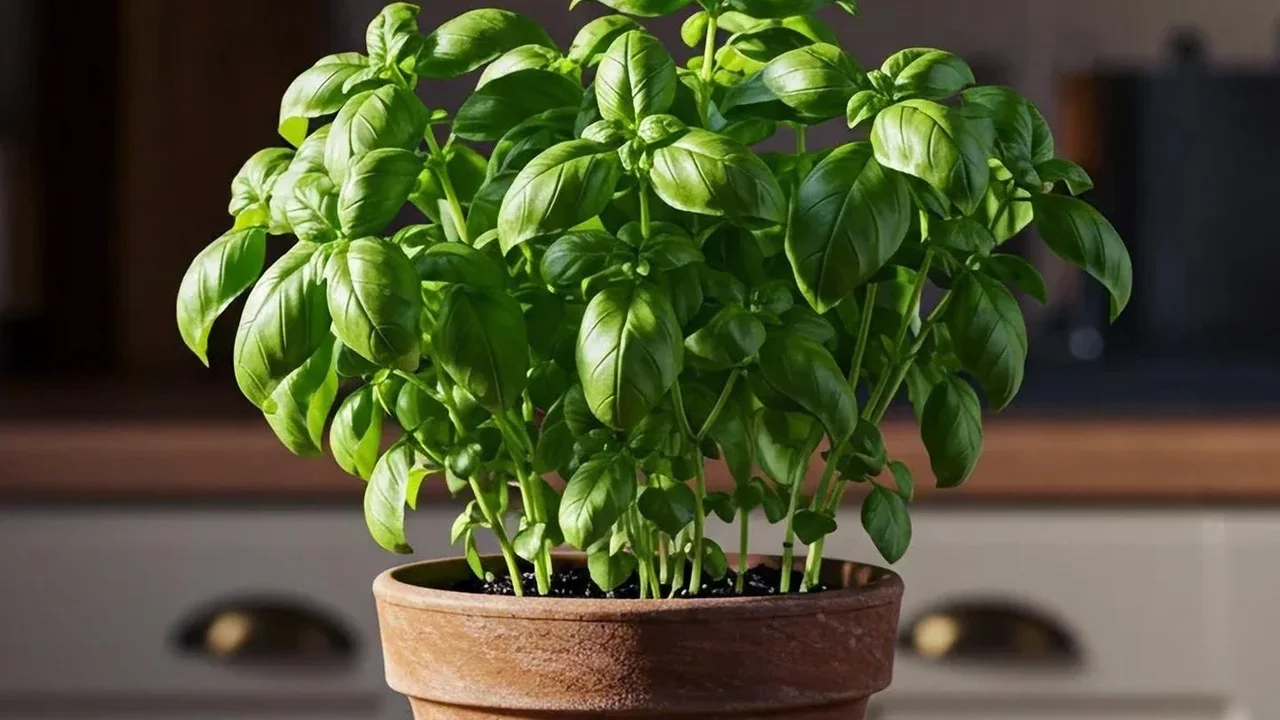
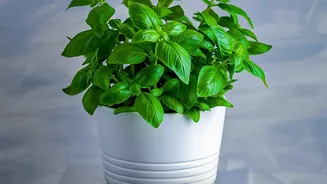
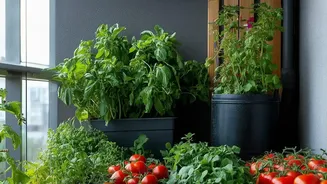
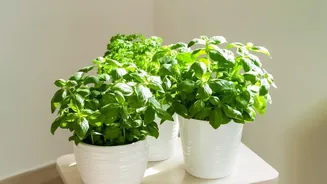
The key to a rewarding garden is starting with plants that are known to be resilient and productive. For beginners, focus on herbs you will actually use in your kitchen. Basil is a fantastic choice, thriving in full sun and rewarding frequent harvests
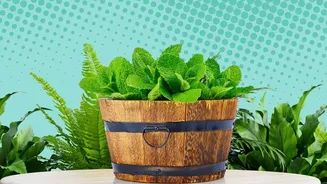
with bushier growth. Mint is famously easy to grow but should always be kept in its own pot as it is invasive and can quickly take over. Parsley and chives are also excellent starter herbs that tolerate a range of conditions. Coriander, with its deep taproot, prefers a deeper pot but is another kitchen staple that grows well on a balcony.
Pick the Perfect Pots
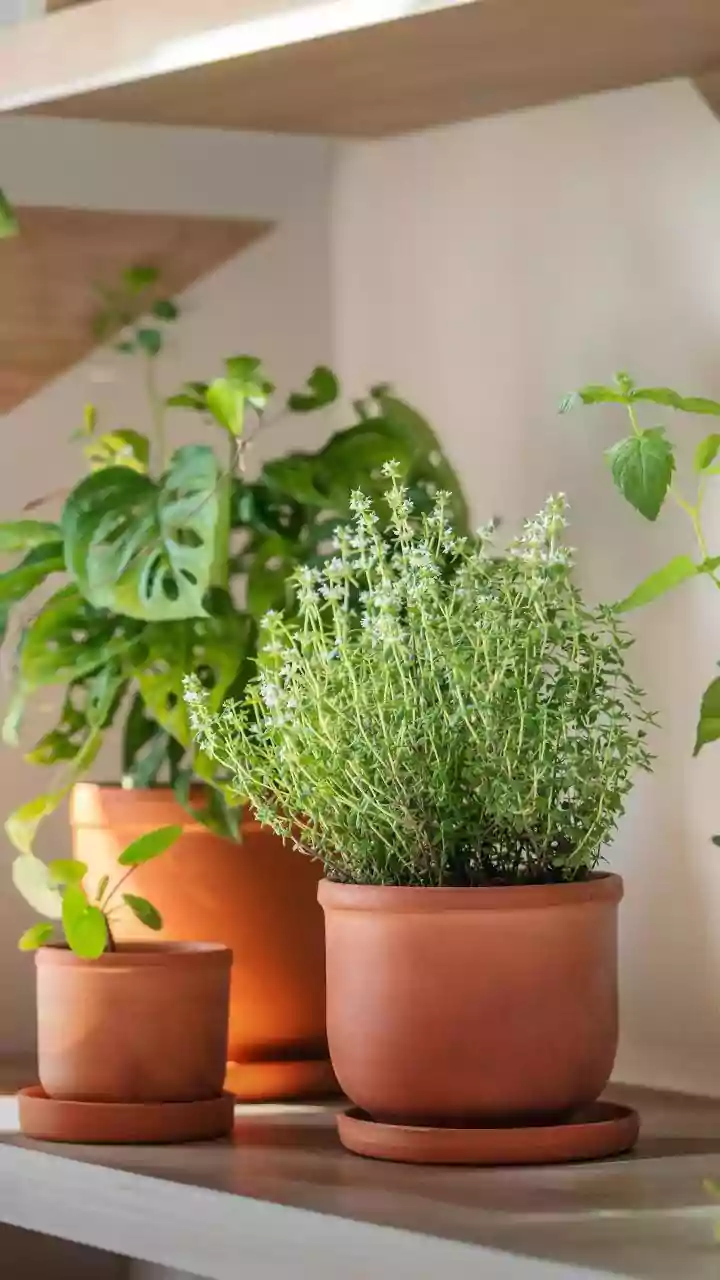
When space is at a premium, your choice of containers is crucial. The most important feature of any pot is good drainage; herbs hate sitting in soggy soil, so ensure any container you choose has holes in the bottom. Terracotta pots are a classic choice and are great for herbs that prefer drier soil because the clay is porous and allows for airflow. However, they also dry out quickly. Plastic pots are lightweight, affordable, and excellent at retaining moisture, making them a practical option for beginners or for moisture-loving herbs. For most herbs, a pot that is at least 8 to 10 inches deep will provide enough room for roots to grow.
The Right Foundation: Soil and Sunlight
Never use soil directly from a garden bed in your pots. It becomes compacted and prevents roots from getting the air and water they need. Instead, purchase a quality potting mix, which is lighter and formulated for container gardening. This mix often contains materials like peat, compost, and perlite to ensure excellent drainage and aeration. Once your pots are filled, placement is everything. Most culinary herbs, such as basil, rosemary, and thyme, are native to sunny climates and need at least six to eight hours of direct sunlight per day to thrive. Spend a day observing your balcony to find its sunniest spots before deciding where to place your herbs.
Watering Without the Worry
Overwatering is one of the most common mistakes in container gardening. A simple way to check if your herbs need a drink is to stick your finger about an inch into the soil. If it feels dry, it's time to water. Water the soil directly, not the leaves, and continue until you see water running out of the drainage holes. This ensures the entire root system gets hydrated. In hot or windy weather, potted plants dry out much faster than those in the ground, so you may need to water them every day or two. Always check the soil first to avoid waterlogging the roots.
Harvesting for Flavour and Growth
The best part of having an herb garden is using your harvest. Regular harvesting is also essential for the health of the plants. Frequently snipping leaves and stems encourages the plants to become bushier and more productive. For leafy herbs like basil and parsley, pinch off the top sets of leaves regularly. For woody herbs like rosemary and thyme, you can trim sprigs as needed. Try to harvest in the morning, when the essential oils that provide flavour and aroma are most concentrated. Don't be afraid to cut what you need; these plants are meant to be used, and regular trimming will keep them producing all season long.