





A New Space Race: From Monopoly to Partnership
India's space story is undergoing a major rewrite. For over 50 years, the Indian Space Research Organisation (ISRO) was the sole custodian of the country's space ambitions. Recent policy shifts, however, have opened the final frontier to private enterprise.
The government has established the Indian National Space Promotion and Authorisation Centre (IN-SPACe) as a single-window agency to promote, authorise, and supervise the activities of private companies. This move is designed to transform the sector from a state-led research domain into a diverse, commercially driven employment engine. The goal is to grow India's share of the global space economy from around $8.4 billion to $44 billion by 2033, an ambition that cannot be achieved by government efforts alone.
The New Job Creators: Startups Reach for the Stars
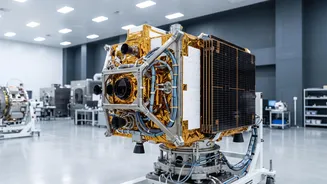
A vibrant ecosystem of over 400 space startups is now taking root across the country. Companies like Skyroot Aerospace, which successfully launched India's first private rocket, Agnikul Cosmos with its 3D-printed engines, and satellite-makers like Dhruva Space are hiring aggressively. These firms are creating roles that offer faster career progression and broader exposure than traditional government jobs. The demand for talent is intense, with one estimate suggesting Indian companies could require around 40,000 technically skilled professionals in the next five years alone. This boom is not just about a few high-profile launches; it's about building a sustainable industry with roles in manufacturing, operations, and services.
Beyond Rocket Science: The Expanding Skill Universe
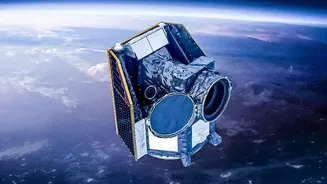
While aerospace engineers remain crucial, the modern space economy demands a much wider range of skills. The fastest-growing track is in software, with a high demand for engineers skilled in C++, Python, and embedded systems to develop flight software and autonomous navigation systems. Downstream applications of satellite data have also created a surge in opportunities. Companies like Pixxel and SatSure are hiring geospatial analysts, remote sensing experts, and data scientists to turn satellite imagery into actionable insights for agriculture, insurance, and urban planning. This convergence of industries means talent is being drawn from the automotive, electronics, and data analytics sectors, creating new career pathways for professionals with transferable skills.
ISRO’s Evolving Role: Mentor and Pioneer
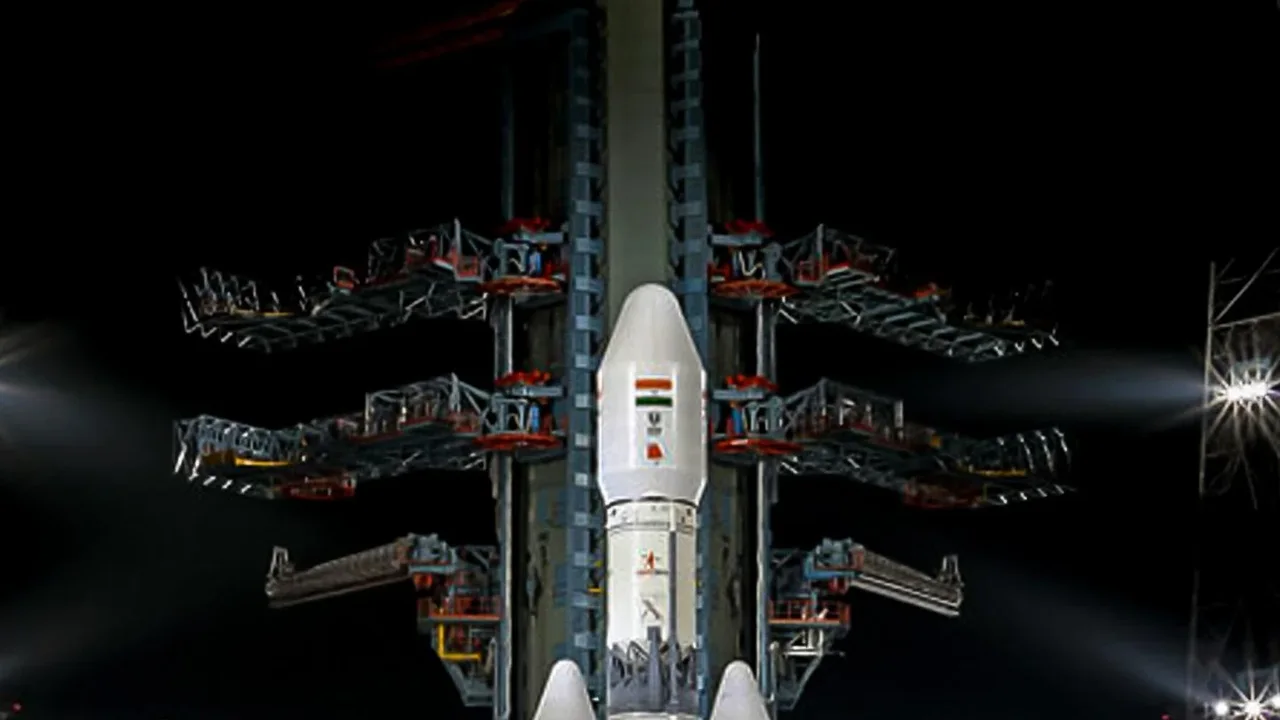
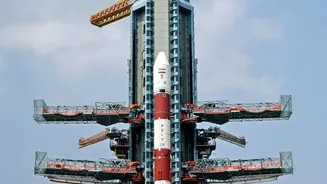
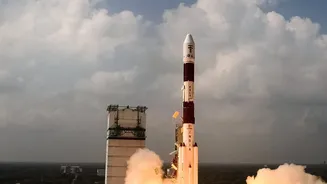
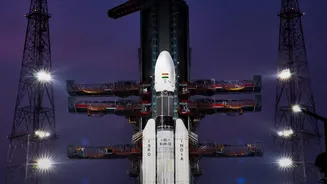
The rise of the private sector doesn't mean ISRO is becoming less important; its role is simply evolving. The space agency has clarified that it is not being privatised. Instead, it will increasingly focus on advanced research and development, deep-space exploration missions like Gaganyaan (India's crewed mission), and pioneering next-generation technologies. ISRO is transitioning into a role of mentor, transferring mature technologies like the Polar Satellite Launch Vehicle (PSLV) to industry partners for manufacturing. This allows the private sector to scale up production for commercial needs, while ISRO concentrates on the complex, high-risk projects that push the boundaries of science and exploration.
Skills for the New Space Age
For those aspiring to join this sector, a strong academic foundation in STEM is key. A B.Tech in aerospace, mechanical, electronics, or computer science engineering is a common entry point for technical roles. Strong skills in physics, mathematics, and programming are considered non-negotiable. However, startups often value practical skills and a portfolio of projects as much as degrees. Beyond technical roles, the ecosystem also needs professionals in space law, finance, business development, and policy. This opens the door for graduates from management and social science backgrounds who develop the necessary domain knowledge. As the industry matures, the ability to integrate complex systems and manage large-scale projects will be among the most valuable—and scarcest—skills.