







The Gentle Power of a Post-Dinner Stroll
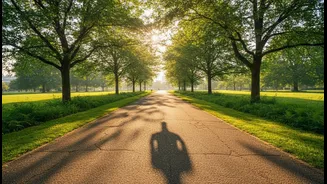
The idea of a walk after your evening meal isn't new, but its benefits are backed by modern science. One of the most significant advantages is its effect on blood sugar. Just a few minutes of light walking after eating can help your muscles use the glucose
from your meal, preventing the sharp spikes and crashes that can leave you feeling sluggish. Studies have shown that walking for as little as two to five minutes post-meal can improve blood sugar levels more effectively than simply standing. This gentle activity also aids digestion by stimulating the stomach and intestines, which can help move food through your system more rapidly and reduce feelings of bloating and gas. Beyond the digestive benefits, a consistent walking habit is excellent for cardiovascular health. It can help lower blood pressure and reduce the risk of heart disease over time. It's a low-impact exercise, meaning it’s easy on the joints and accessible to almost everyone, requiring no special equipment or a gym membership.
Late-Night Exercise: The Pros and Cons
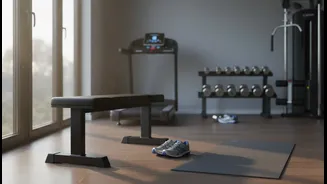
For many, the only time to fit in a workout is late at night. The gym is often quieter, and it can feel like a productive way to burn off the day's stress. However, intense exercise close to bedtime can have significant drawbacks, primarily concerning sleep. Strenuous workouts trigger the release of hormones like adrenaline and cortisol, which increase alertness. While exercise is a positive stressor, this hormonal surge can disrupt your body's natural wind-down process. Cortisol levels are naturally supposed to be at their lowest at night to facilitate sleep. An intense evening workout can elevate them, along with your core body temperature and heart rate, making it harder to fall asleep and reducing sleep quality. One major study found that high-strain exercise ending within four hours of bedtime was associated with delayed sleep onset, shorter sleep duration, and lower sleep quality. While some people, particularly natural 'night owls', may feel fine after a late workout, many find it leaves them feeling wired and restless.
Why 'Sustainable' Is the Magic Word
The headline's key word is "sustainable." The best exercise routine isn't the most intense one; it's the one you can stick with consistently. This is where the post-dinner walk truly shines. It’s easier to build into an existing daily routine—eating dinner—which is a powerful way to form a new habit. A walk is also less mentally and physically demanding than a high-intensity session, reducing the friction that often leads people to skip a workout. You're less likely to talk yourself out of a simple walk. Furthermore, walking can be a social activity. A stroll with a partner, family, or friend can serve as a time to connect, boosting your mood and making the habit more enjoyable. In contrast, long-term adherence to high-intensity programs can be inconsistent. The sheer willpower required to push through a tough workout at the end of a long day can lead to burnout, making it a less sustainable choice for many over the long haul.
Listen to Your Body and Find Your Rhythm
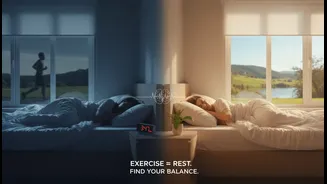
Ultimately, there is no universal rule that fits every person. Individual responses to late-night exercise vary based on genetics, fitness level, and chronotype (whether you're a morning person or a night owl). The key is to pay attention to your body's signals. If you choose to exercise late, monitor its effect on your sleep. Are you having trouble falling asleep? Do you wake up feeling unrested? These could be signs that your routine is disrupting your natural circadian rhythm. If you enjoy late-night workouts and they don't seem to affect your sleep, there may be no need to stop. However, if you find yourself struggling with consistency or feeling drained, switching to a gentler, more integrated activity could be transformative. Research suggests that if you do engage in strenuous evening exercise, finishing at least four hours before bedtime can mitigate most of the negative effects on sleep.